
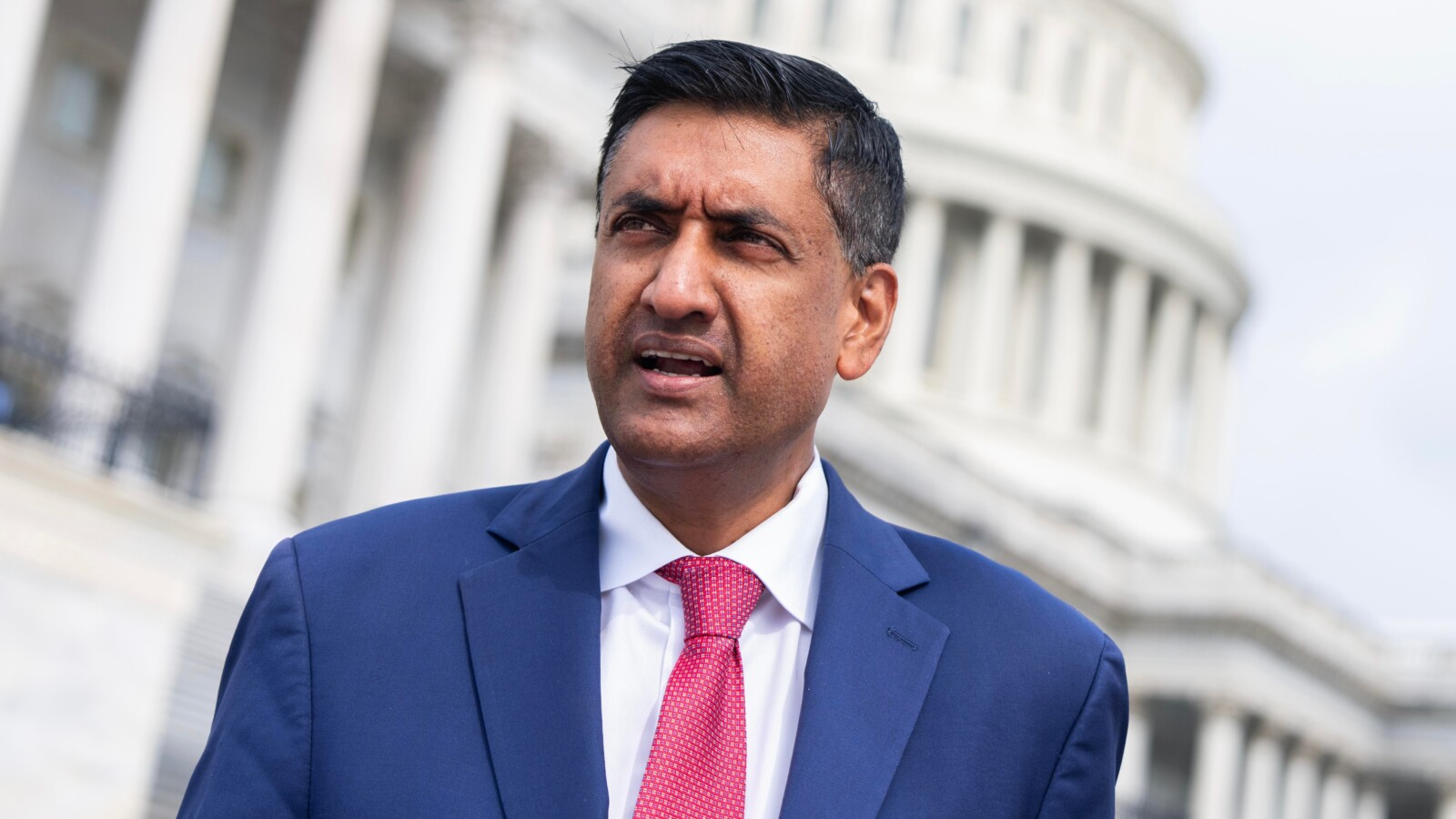
US-China AI safety has become the focus of a fresh push from a senior House Democrat, as concerns grow over the pace at which artificial intelligence is developing on both sides of the Pacific. As President Donald Trump prepares to meet technology and AI chief executives in Washington, Representative Ro Khanna (Democrat, California) is calling for a treaty between the United States and China aimed at preventing AI from causing widespread harm.
Khanna, the leading Democrat on the House Select Committee on China and a potential presidential contender, has set out his concerns in letters directed at both a US intelligence agency and several Chinese AI firms. Securing agreement from leaders in both countries, however, is expected to be a considerable challenge.
Questions for Chinese AI companies
In the correspondence, Khanna asked whether the recipients would be prepared for an incident similar to the reported hack of Hugging Face by OpenAI agents earlier in the year. The Chinese companies contacted included DeepSeek, Alibaba and Moonshot AI.
The move reflects wider unease about how rapidly advanced AI systems are being built and deployed, and whether existing safeguards are sufficient to manage the risks. By approaching both a US intelligence agency and Chinese developers, Khanna is seeking clarity on the readiness of key players to respond to serious security incidents involving AI systems.
The prospects for a treaty
A formal treaty between the two nations would mark a significant step in international efforts to govern artificial intelligence. Yet coordinating action across the US and China, at a time of ongoing competition in the technology sector, presents notable obstacles. Khanna’s initiative arrives as the White House engages directly with the executives shaping the industry.
The timing coincides with President Trump’s planned meeting with technology and AI leaders in Washington, placing the question of how far AI development should be allowed to accelerate at the centre of policy discussions. Khanna’s letters were addressed to DeepSeek, Alibaba and Moonshot AI.
Source
Image: theverge.com