
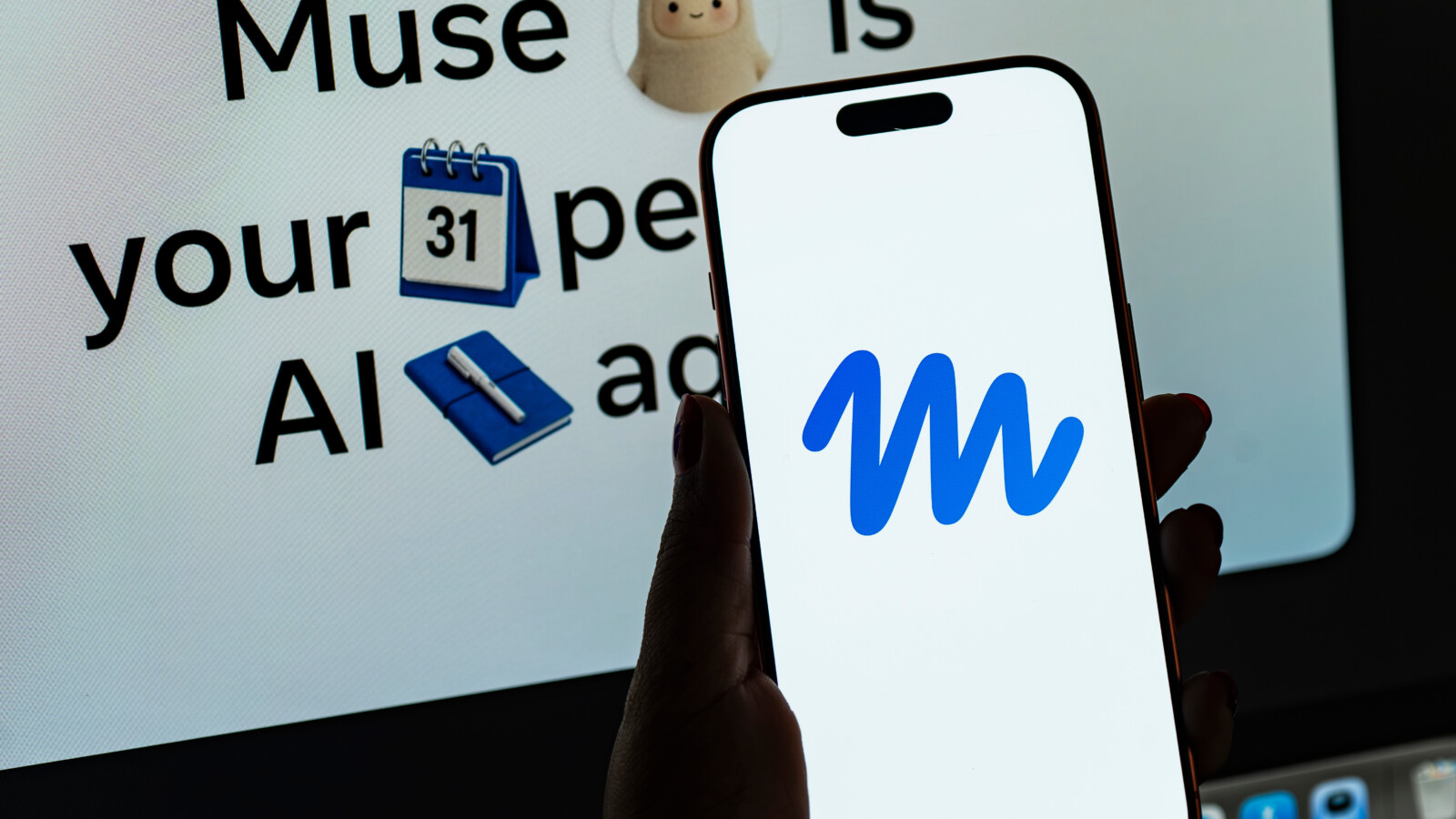
Meta AI is drawing scrutiny over how its agentic assistant, known as Muse, handles user privacy and data. As agentic AI tools become more capable of acting on a user’s behalf, questions have emerged about the security risks that accompany these expanded permissions.
Agentic AI systems differ from conventional chatbots because they can carry out tasks autonomously, often requiring broad access to personal information and connected services. This deeper level of integration means that when such a system behaves unpredictably, the potential consequences for user privacy grow accordingly.
Why Agentic AI Raises the Stakes
The appeal of an agentic AI assistant lies in its ability to complete actions rather than simply respond to prompts. To do this, the software typically needs permission to reach into accounts, files and services that hold sensitive details. When those permissions are granted, the assistant effectively operates with a wide view of a user’s digital life.
That capability, however, introduces a corresponding set of risks. Unexpected behaviour from the assistant can translate into exposure of personal data, unintended actions, or access that a user did not anticipate. The concern is not merely theoretical friendliness or convenience, but the underlying security implications of handing an automated system such reach.
Weighing Convenience Against Privacy
The trade-off at the centre of the discussion is straightforward. A helpful, approachable assistant may be attractive to everyday users, yet the value of that experience must be measured against the potential cost to privacy. An engaging design does not offset the responsibility of protecting the information an assistant can touch.
For users considering agentic tools, the practical takeaway is to remain aware of the permissions being requested and the scope of access being granted. Understanding what an assistant can see and do is essential before allowing it to act autonomously across accounts and services.
As these assistants continue to develop through 2026, the balance between usefulness and data protection remains a defining issue for the technology. The core challenge is ensuring that convenience does not come at the expense of user control over personal information.