
Google DeepMind has undergone a significant reorganisation, prompting fresh debate across the technology industry about whether Google is falling behind in the AI race. The restructuring of the company’s artificial intelligence division has reshaped leadership and reignited questions over the position of one of the sector’s most resource-rich players.
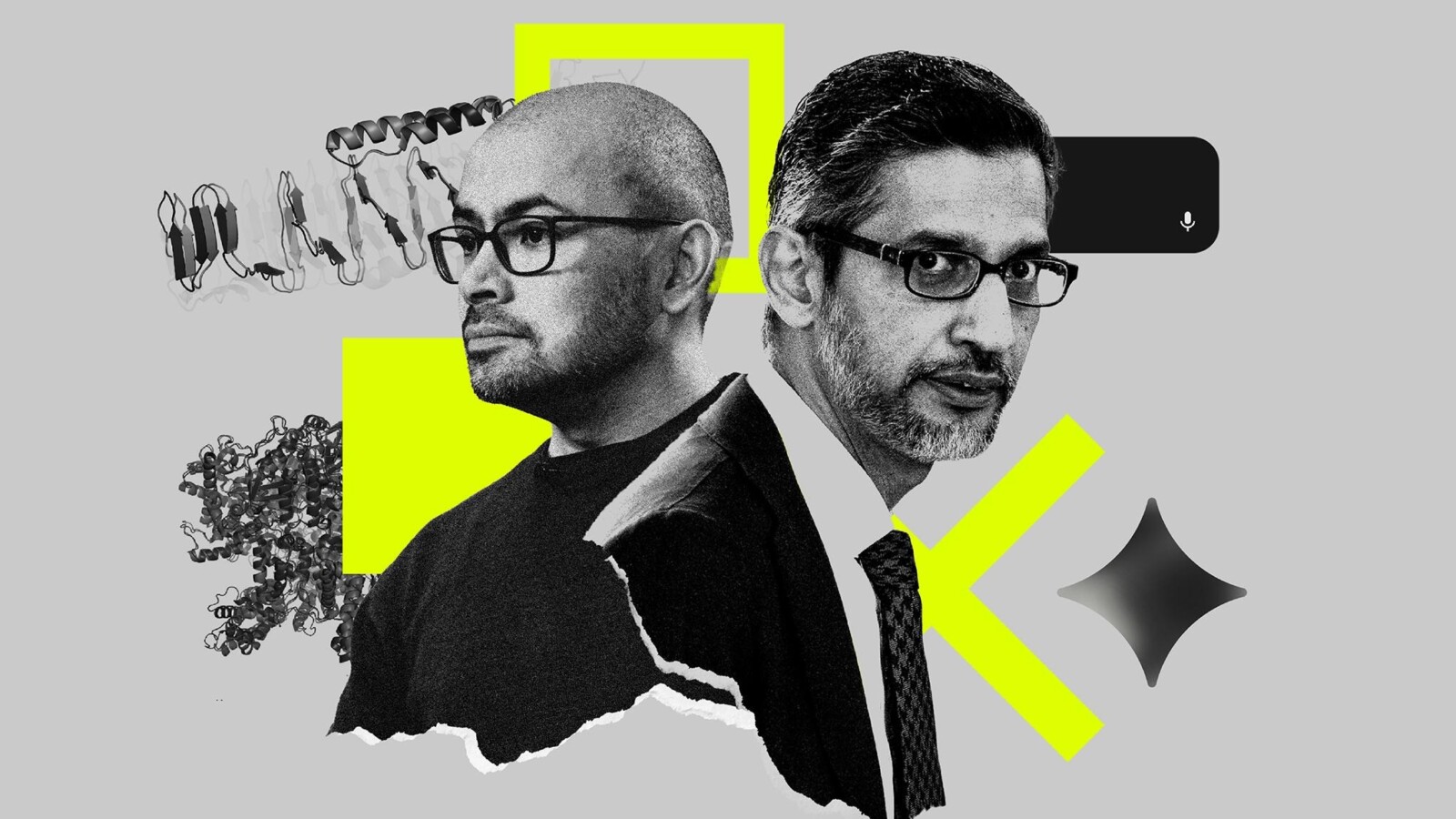
The changes were announced as part of a wider reshuffle of Google’s AI efforts. Demis Hassabis, the DeepMind cofounder and chief executive, is stepping aside from day-to-day leadership to concentrate on longer-term research, taking on a chairman role. At the same time, Jeff Dean, Google’s chief scientist and the founder of Google Brain, is departing to form his own startup, leaving alongside a number of other staff. The new lab is set to run on Google Cloud.
Why the Reshuffle Matters
The reorganisation has been read in numerous ways across the industry. At its heart, it is a story about organisational structure and how Google is choosing to arrange its most senior AI talent. The departure of Dean, a foundational figure at the company, together with a shift in Hassabis’s focus towards longer-horizon research, marks a substantial change in how Google’s AI division is led.
The timing has drawn particular attention. The changes arrive as Google is widely viewed as no longer competitive at the frontier of AI development, a perception that has fuelled speculation about whether the company can regain a leading position.
Google’s Underlying Strengths
Despite the concerns, Google’s structural advantages remain considerable. The company is often described as the best-positioned business to win at AI, given how it makes money, its distribution power to place AI in front of users, its integration of AI into Search, and its substantial resources. These ingredients have long led observers to expect Google to emerge as a clear frontrunner.
The extent of Google’s integration capabilities, its suite of tools, and the volume of data it holds provide a significant cushion. Even where mistakes are made and ground is lost, that scale means the company cannot easily be discounted. The wider surprise is that a business with such reach and resources is not currently leading, and by some assessments is behind its rivals.
The reaction over the past week has been notably divided, with some commentators arguing that Google is set to lose, while others point to the sheer power the company still commands as reason for caution before writing off its prospects. The restructuring has also invited scrutiny of the future direction of AI research more broadly, particularly the balance between near-term product competition and longer-term scientific work.
Under the new arrangement, Hassabis will focus on bigger research questions in his chairman capacity, while Dean’s newly formed laboratory will operate on Google Cloud infrastructure.
Source
Image: theverge.com