
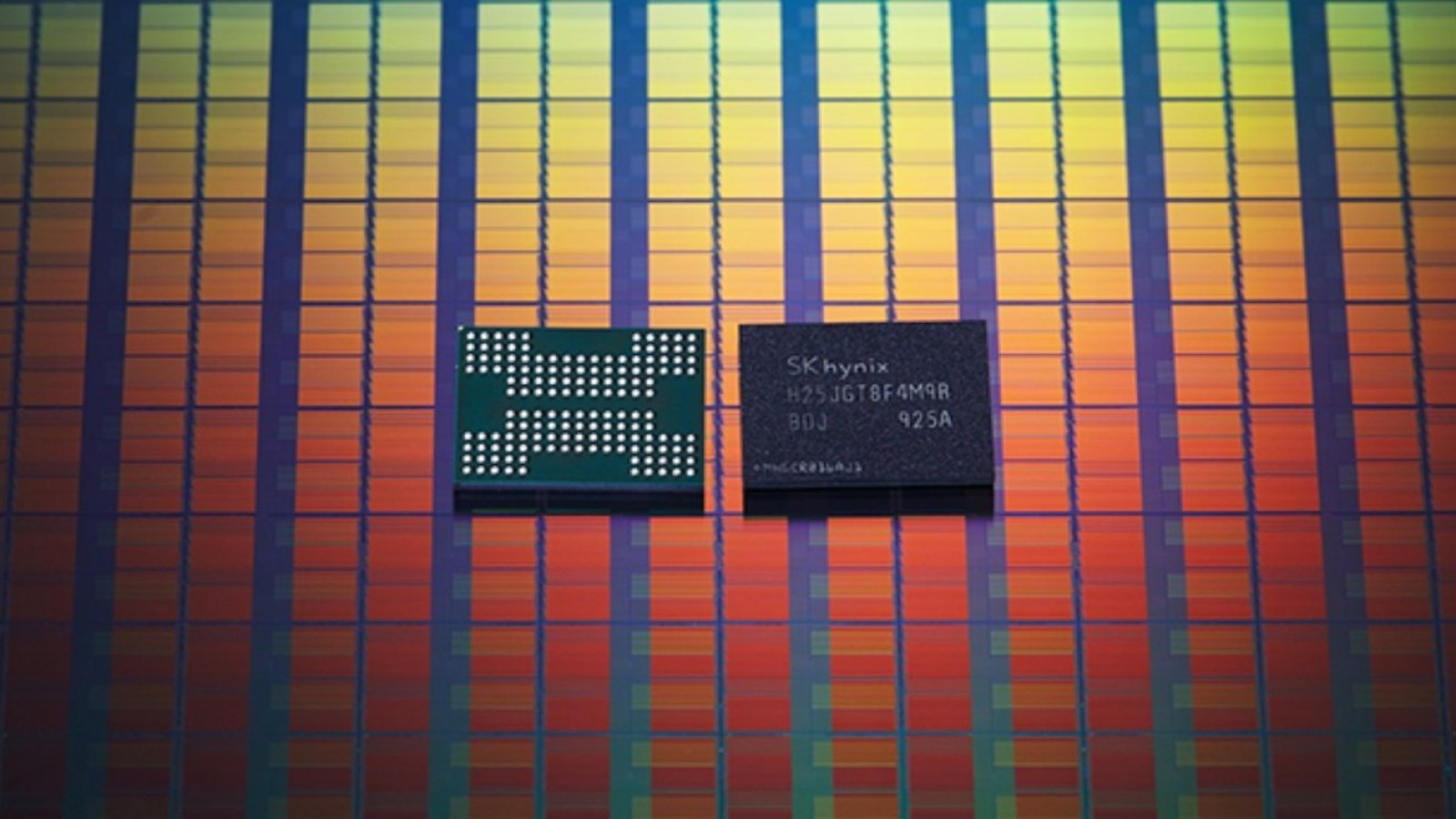
SK hynix, one of Apple’s key memory suppliers, has approved a major investment to expand chip production amid global shortages, though the move is unlikely to lower the cost of your next iPhone.
The company announced a 54 trillion won (around £28bn) investment to build two new semiconductor fabrication plants in South Korea. The plan includes 35.2 trillion won (roughly £18bn) towards the Yongin Y2 facility, which will produce high-bandwidth memory (HBM) and next-generation DRAM products. Construction is scheduled to begin in 2027 and conclude by 2029.
A further 19.1 trillion won (about £10bn) will fund the Cheongju M17 facility, set to open in late 2028. That plant will serve as a NAND production base, geared towards enterprise SSD and AI inference storage.
What It Means for Apple Customers
SK hynix is one of the world’s largest memory chip manufacturers and supplies components used across Apple’s range, including the iPhone, iPad and Mac. However, neither investment directly benefits the average Apple consumer. The new facilities are being built to serve high-growth AI and enterprise markets rather than traditional consumer electronics.
By creating dedicated capacity for enterprise products, SK hynix could in principle free up room to manufacture consumer-grade components. Even so, the plants are not slated to open until late 2028 at the earliest, so any relief remains distant. Meanwhile, DRAM prices are edging up to levels that are proving difficult even for large corporate customers.
Rising Prices and Supply Constraints
DDR5 DRAM prices have nearly sextupled on average on the consumer side. In February 2025, two 16GB sticks of DDR5-6000 RAM sold for about £74. Present pricing sits around £445. The effects have recently been visible as Apple raised prices across most of its product lineup, driven by inflation and supply chain pressures.
The market has been bolstered by consumers rushing to buy products before they become more expensive. While increased manufacturing and market correction may eventually push prices down, any decline is expected to be slow rather than dramatic, moving in a gradual, wave-like pattern.
Global supply chain shortages remain a genuine concern, with the AI boom placing heavy stress on manufacturers striving to keep up with demand. The iPhone 17 Pro Max has been limited by supply chain constraints. SK hynix is also among the companies named in a recent price-fixing suit.
Source
Image: appleinsider.com