

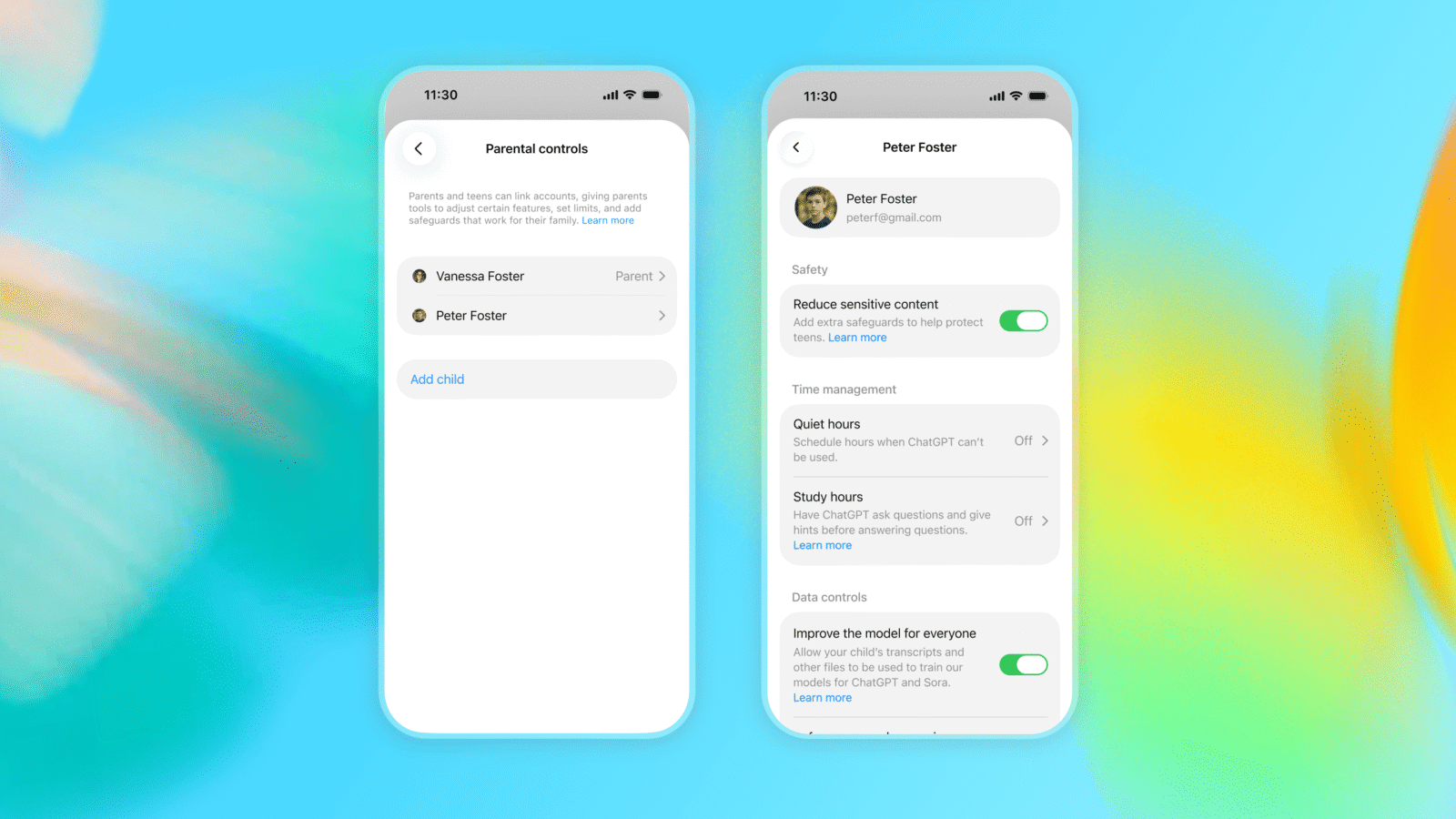
ChatGPT for Teens is a new dedicated mode from OpenAI that brings together existing youth safeguards and fresh safety features within a single experience. The rollout arrives as public scrutiny grows over how artificial intelligence tools affect younger users, with other platforms introducing their own age checks and teen-focused protections.
OpenAI described the offering as an experience designed to help teenagers learn, think critically, deepen their understanding, and use AI with confidence. The company set out its plans in a blog post published on Tuesday, positioning the mode as a response to concerns around how minors interact with conversational AI.
How ChatGPT for Teens Works
The teen mode will automatically apply to users who identify themselves as being between the ages of 13 and 17. It will also cover those the system estimates to be under a certain age, extending protections to accounts where the platform assesses a younger user may be present rather than relying solely on self-reported details.
By combining age identification with automated estimation, OpenAI aims to ensure that appropriate safeguards are applied even when a user has not explicitly confirmed that they fall within the teenage bracket. This layered approach reflects wider industry efforts to strengthen the way platforms verify and respond to the presence of younger audiences.
Safeguards and Parental Controls
The dedicated experience unites established youth protections with newly introduced measures, alongside parental controls. Bringing these tools together under one roof is intended to give families clearer oversight and to provide teenagers with a more suitable environment for using AI.
The launch forms part of a broader shift across the technology sector, where companies are increasingly implementing age checks and teen-specific settings. As regulators and the public press for stronger protections for minors, providers of AI services are adapting their products to address these expectations.
OpenAI confirmed that ChatGPT for Teens is designed specifically with younger users in mind, applying automatically to those aged 13 to 17 as well as accounts the system estimates to belong to under-age users.
Source
Image: theverge.com