
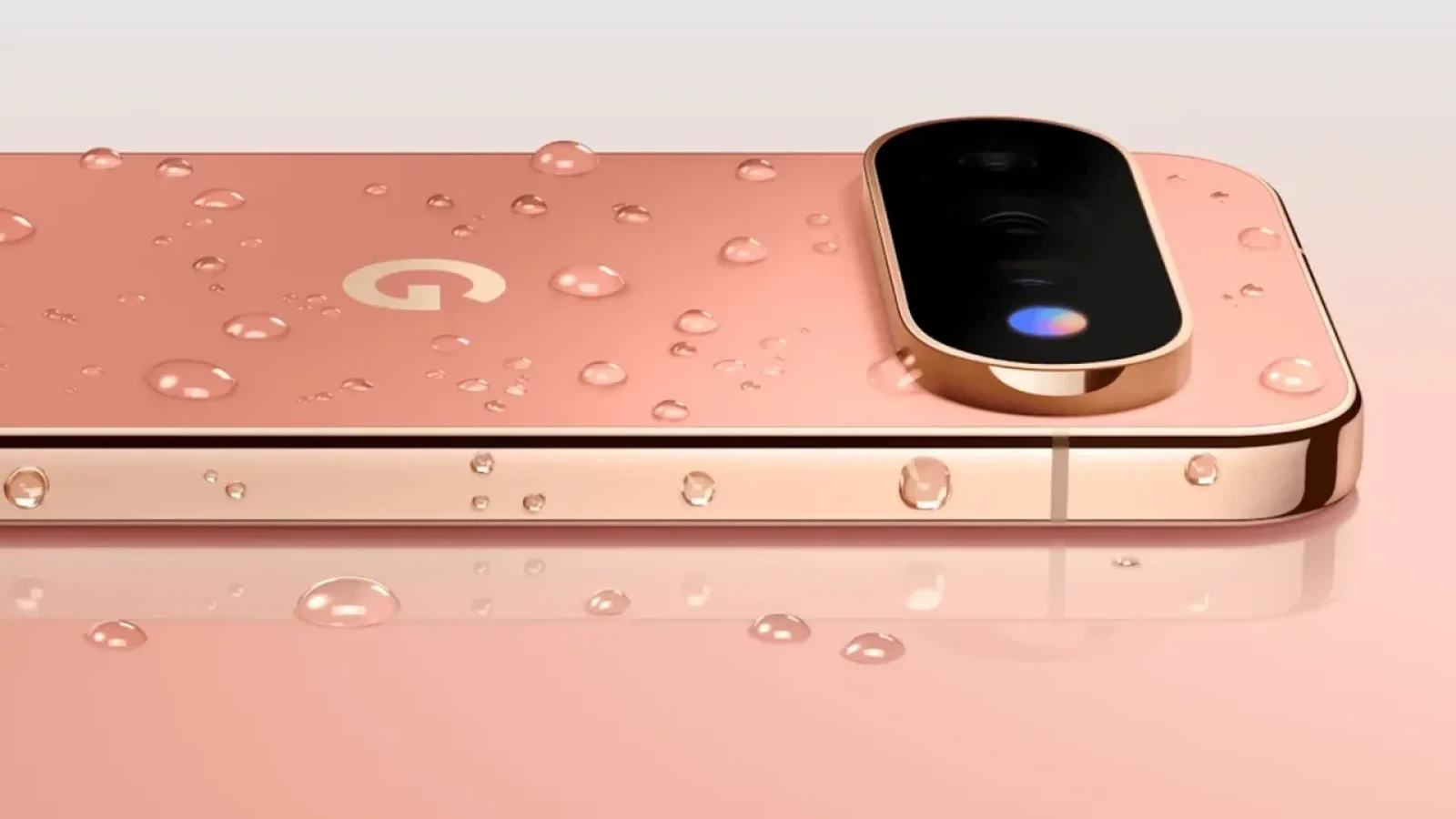
Google is reportedly exploring silicon-carbon battery technology, a move that could address one of the most persistent criticisms of its Pixel smartphones: battery life. A company product manager has confirmed that the technology is something Google is actively considering, potentially paving the way for a significant power upgrade on future devices.
If Google adopts the technology, it would become the second major manufacturer among the big three to embrace silicon-carbon batteries, following Samsung. Apple would then be the only one of the trio yet to make the switch.
Why silicon-carbon batteries matter
Silicon-carbon batteries offer higher energy density, meaning more capacity within the same physical volume. This advantage has helped Chinese smartphone manufacturers push battery capacities upwards, with 10,000 mAh handsets becoming increasingly mainstream.
However, the technology comes with trade-offs. Real-world use and testing data indicate that some silicon-carbon cells can lose capacity more rapidly over their first two to three years compared with traditional graphite cells. The reasons are still being researched, but they relate to silicon expanding during charging. These batteries also carry higher internal resistance, as silicon has lower electrical conductivity than graphite.
Longevity is understood to be Google’s primary concern with the technology, and the company appears to be weighing these factors carefully before committing to the upgrade.
Samsung’s cautious approach
Samsung has already adopted the technology, with the Galaxy Z Fold 8 series marking the first Samsung foldable to feature silicon-carbon batteries. The Korean firm took a conservative route, and the resulting capacity gains were modest enough that the underlying technology would not be obvious from the specifications alone.
This measured stance reflects lingering caution around battery safety, with the Galaxy Note 7 recall still fresh in memory and occasional reports of battery failures in Galaxy devices.
For Google, the next Pixel generation could be the first to carry a silicon-carbon cell. Pixel phones have long been criticised for their battery performance, and the technology presents an opportunity to close that gap. Reports have suggested the iPhone 18 could adopt silicon-carbon batteries, though most industry analysts believe Apple is not yet ready to deploy the technology at scale.
Shoppers looking ahead can pre-order the Pixel 11 Pro XL and receive a gift card worth roughly £150.
Source
Image: phonearena.com