

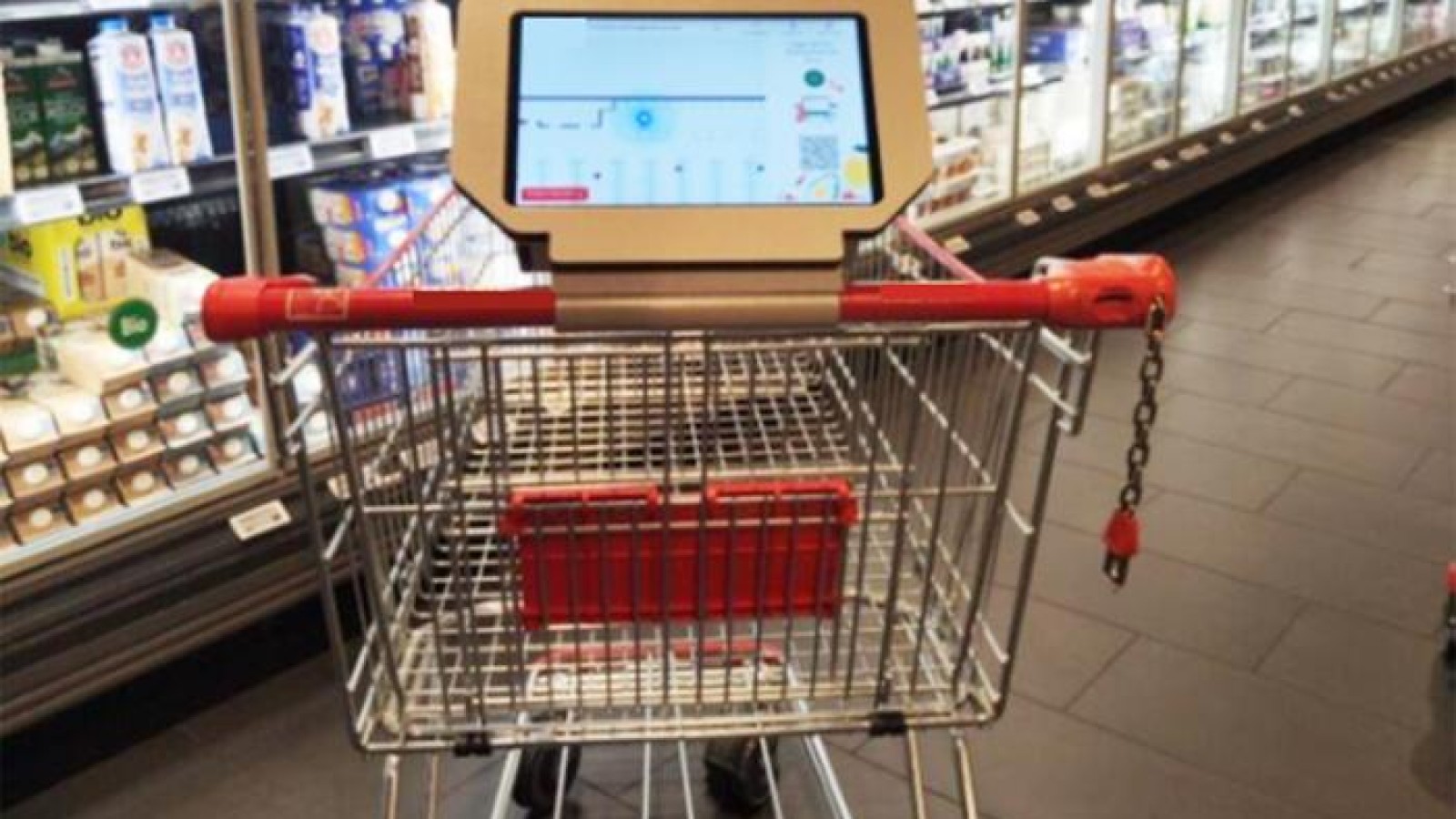
AI shopping carts could encourage shoppers to spend considerably more during a supermarket visit, according to new research from Bayes Business School at City St George’s, University of London. The study found that customers using trolleys fitted with AI devices spent 32% more on average than those using ordinary trolleys.
Beyond the higher outlay, shoppers using the smart trolleys also bought 25% more items and spent 23% longer in store. Lead author Sabrina Gottschalk summarised the findings simply: smart cart users in the data spent more, bought more, and stayed longer than non-users.
The technology promises to make grocery shopping easier by talking to customers, suggesting recipes and helping them navigate the aisles. Yet the same features could deliver substantial revenue gains for retailers, and the researchers cautioned that shoppers should be wary of leaning too heavily on tools capable of creating new advertising platforms and steering them towards particular promotions and products.
Retailers already know their customers
Large supermarkets have relied on AI algorithms for years to manage supply chains and anticipate demand. Placing those algorithms on shopping-trolley screens remains rare in US grocery stores, but the situation may be shifting. Online delivery firm Instacart and Pennsylvania chain Weis Markets announced in June that they had begun rolling out AI-driven “caper carts” to selected stores, with plans to expand to more locations.
While such trolleys could make buying groceries faster for millions of people, e-commerce is not always designed with the consumer’s interests first. As stores introduce digital shopping experiences through trolley screens, customers may encounter problems already common online, including digital nudging and dark patterns, sophisticated software design techniques used to influence purchasing decisions or persuade people to give up their privacy.
Typical examples include making a “buy” button larger than a “cancel” button, or making checkout difficult unless a customer shares personal information for marketing purposes.
What the data revealed
The research team gathered its data from a German supermarket chain, tracking 12,418 shopping visits over the course of a month. Customers could choose whether to use the screen or shop in the traditional way, and they opted to interact with the AI-equipped trolleys in 9,422 instances.
Access to detailed data on thousands of real shopping trips allowed the team to observe patterns of smart cart use and shopping behaviours that are difficult to study in more conventional settings, Gottschalk noted. The researchers recorded the number of items purchased, money spent and shopping time across every visit, and also logged screen interactions among smart-trolley users, including how often and in what way they engaged with the device.