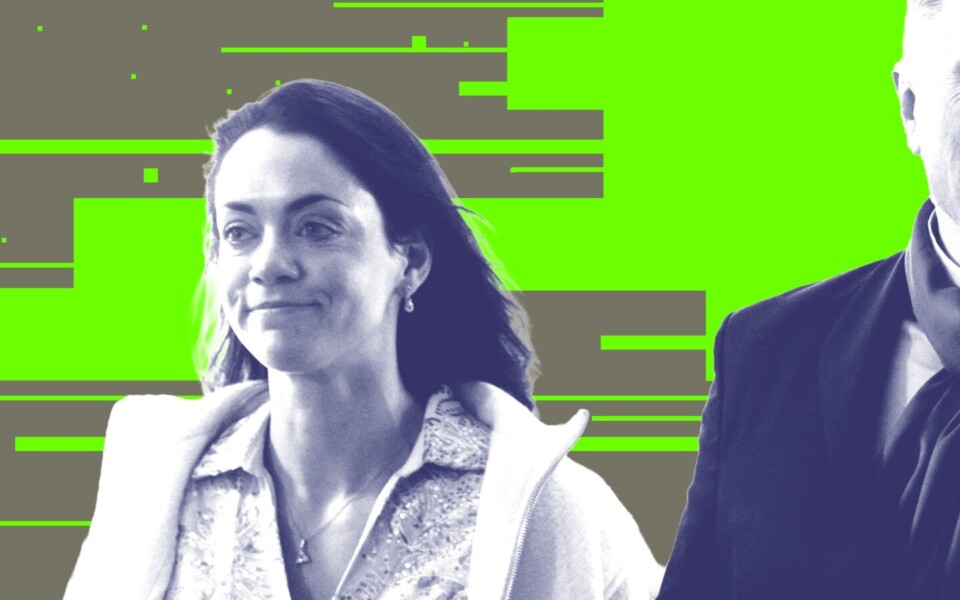

AI researchers from some of the world’s leading laboratories have issued stark warnings about the dangers of advanced artificial intelligence in a series of newly published video interviews. The collection features roughly a dozen conversations with current and former staff at OpenAI, Google, and Anthropic, gathered by Palisade Research, a nonprofit that describes its work as studying the capabilities and motivations of AI systems. The interviews were launched on the website frominside.ai.
Geoffrey Irving, a former employee of OpenAI and Google DeepMind, offered one of the most striking assessments. “The chance of human extinction is about a coin flip, in my view,” he said in his interview. Several of the other researchers echoed his concern about the possibility that AI could ultimately drive humans to extinction.
Researchers Estimate the Risk
Neel Nanda, a research scientist at Google DeepMind, put the danger in numerical terms. He said there is “at least a 10 percent chance that it causes human extinction, and that is ridiculously high.” Former OpenAI researcher Daniel Kokotajlo went further still, describing a hypothetical superintelligent AI as something that “would basically be god-like powerful.”
He added: “unfortunately we don’t know how to control them at all. And so probably nobody would control them. This is exactly as dangerous as it sounds and must not be allowed to happen.” The phrasing has given the project much of its public identity, framing the concern in unusually blunt terms for people employed within the sector.
Why They Continue the Work
The videos are each available in full, but the site also groups together segments from multiple people addressing shared themes. These include whether the warnings amount to hype or marketing, and why the researchers continue working on technology they consider so dangerous.
Some of the responses acknowledge the tension directly. Mary Phuong of Google said: “I think you absolutely should be suspicious of what I’m saying because I am being paid by the lab.” Nanda offered his own reasoning for staying in the field, explaining: “If I did not believe that my work was directly reducing these existential risks, I would quit… These companies are not going to stop making these systems just because I quit.”
The interviews arrive amid wider debate over the meaning of AI safety, a term that remains difficult to define precisely, along with what practical steps should follow from it. The videos themselves do not present a single unified solution to the concerns raised. The collection features contributions from current and former employees across OpenAI, Google, and Anthropic.
Source
Image: theverge.com