
OpenAI Dots is the company’s new answer to Meta’s Muse, arriving as a set of agentic helpers designed to work across connected apps. Announced during the DevDay keynote on Tuesday, Dots are positioned as always-on AI assistants capable of handling nearly any task in the background while learning user preferences over time.
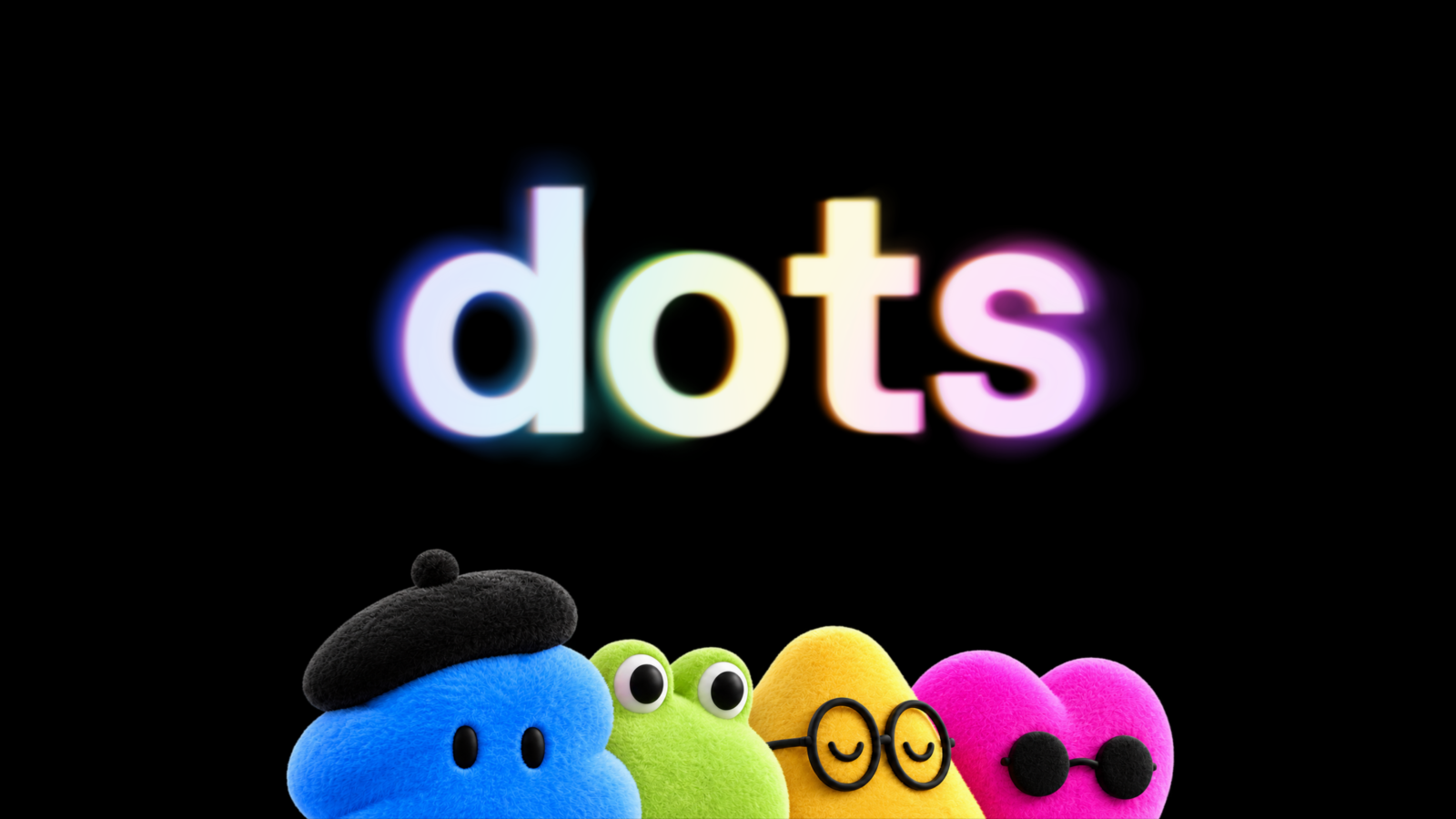
Much like Muse, each Dot is represented by a customisable avatar, giving the assistants a friendly and personalisable appearance. The approach mirrors the direction taken by rival offerings, placing a recognisable face on an otherwise complex agentic system.
How OpenAI Dots Work
The assistants are powered by OpenAI’s GPT-6 Astra model, which the company describes as highly capable. Each Dot operates through its own cloud computer, allowing it to access a web browser and more than 4,000 supported applications. This setup enables the assistants to carry out actions across a wide range of services without requiring constant user oversight.
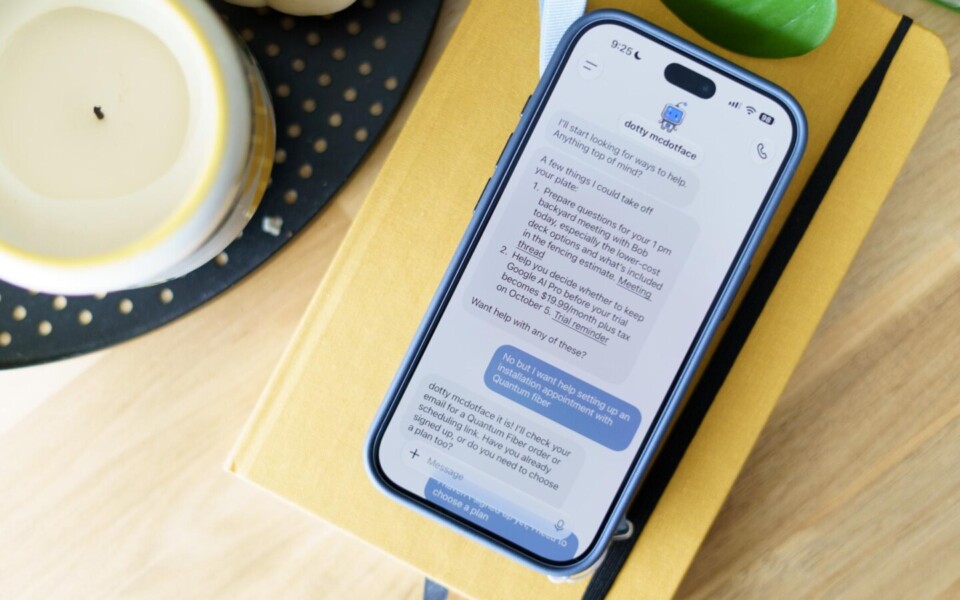
Interaction with a Dot happens through a text-message-style interface, comparable to the one offered by Muse. Users can also start a voice call with a Dot directly from ChatGPT on the web, desktop, or mobile, giving multiple ways to communicate depending on the device and situation.
Positioning Against Muse
By launching agentic assistants that run continuously in the background, OpenAI is directly targeting the space Meta staked out with Muse. The emphasis on task completion across thousands of connected apps signals a broader push towards AI tools that act on a user’s behalf rather than simply responding to prompts.
The combination of a large app catalogue, a dedicated cloud computer for each assistant, and integration with the existing ChatGPT platform forms the foundation of the Dots offering. With the GPT-6 Astra model at its core, OpenAI has built the assistants to operate across web, desktop, and mobile environments from launch.
Source
Image: theverge.com