
WeatherNext, the artificial intelligence model developed by Google’s DeepMind and Google Research, has surprised weather scientists with its ability to predict cyclones with unprecedented accuracy. According to research published in Nature, the model gives forecasters, on average, a full extra day of lead time compared with existing systems. In practical terms, its predictions three days ahead are as accurate as the two-day forecasts produced by earlier models.
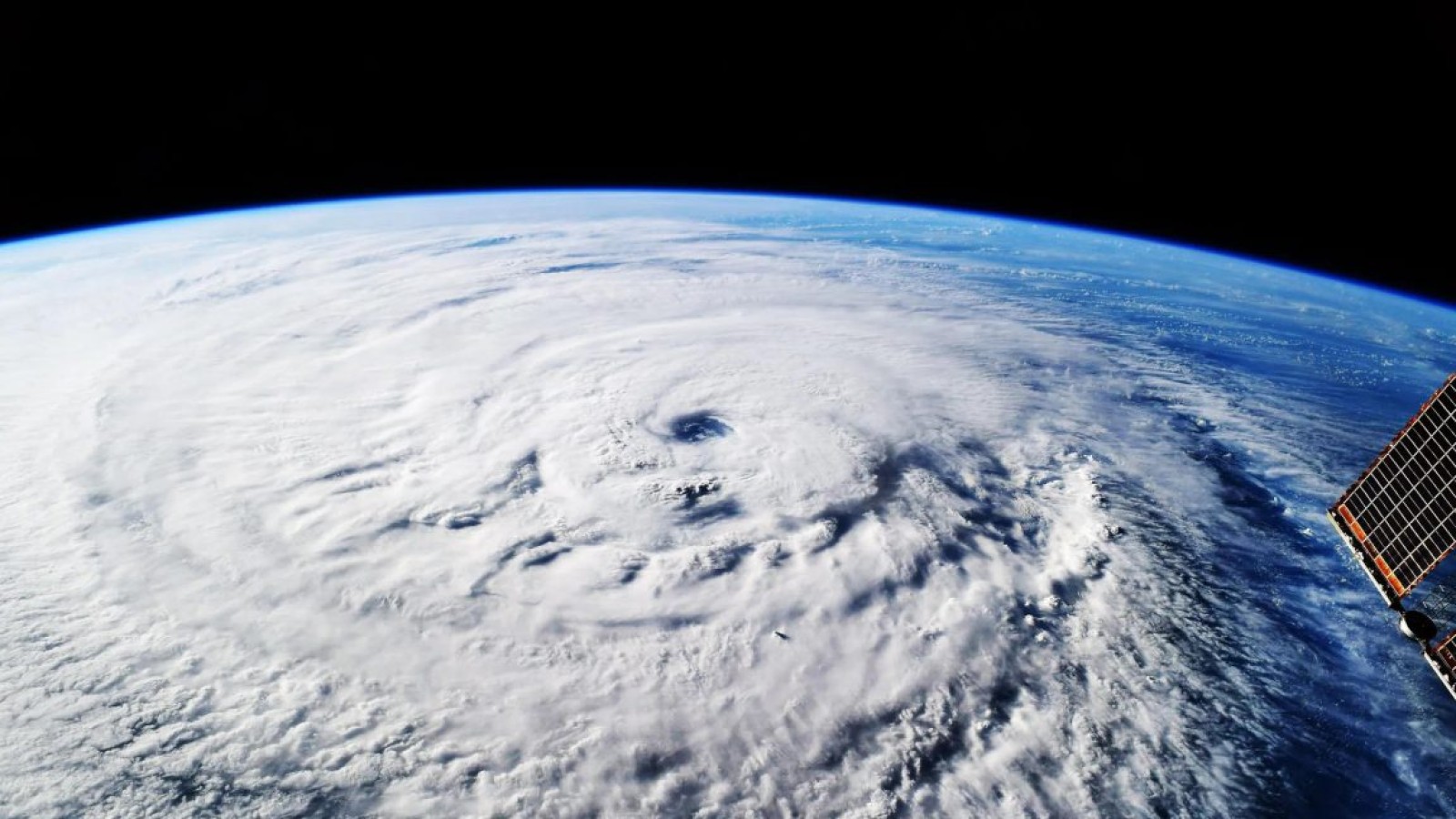
The model’s capabilities were demonstrated during a storm that formed over the Caribbean Sea in October 2025. At the time, conventional weather models disagreed on the storm’s likely path, with uncertainty over whether it would remain weak and reach Haiti or intensify and strike Jamaica. Five days before landfall, WeatherNext predicted with 80 percent confidence that the system would hit Jamaica as a Category 5 hurricane.
Hurricane Melissa proved catastrophic, causing flooding and landslides across Jamaica. The AI model, however, enabled forecasters to issue earlier warnings to communities in the storm’s path, giving them more time to prepare.
Why an Extra Day of Warning Matters
The additional lead time carries considerable weight for emergency planning. Organising evacuations, staging supplies and moving resources are all time-sensitive tasks, and errors in timing can have serious consequences. Mike Brennan, director of the US National Hurricane Center, noted that even a few hours can make a difference, describing time as “really golden” when such decisions must be made.
Researchers point out that historically, advancing forecasts by a full day would have required roughly a decade of work.
Solving the Challenge of Rare and Complex Storms
Modelling extreme events poses a significant difficulty for machine learning, which depends on large volumes of training data to make predictions. Because extreme events are rare by nature, cyclone data is limited. To address this, the team trained the model to perform well on both general weather and cyclones. As Ferran Alet, a research scientist at Google DeepMind and one of the paper’s lead authors, explained, there is comparatively little cyclone data but a great deal of general weather data.
Hurricanes are especially hard to predict because they operate across multiple spatial scales, according to Kate Musgrave, tropical cyclone group lead at the Cooperative Institute for Research in the Atmosphere and an author on the paper. Predicting a storm’s track requires global-scale data, including the position of cold fronts and prevailing winds, while predicting its intensity demands much smaller-scale information focused on local atmospheric and ocean conditions.
Earlier AI systems handled track prediction well but struggled significantly with intensity. Both are essential, as a shift in intensity can separate a relatively weak storm from a major hurricane. In some cases, including Hurricane Melissa, a system can intensify rapidly and become an emergency overnight. Melissa marked the first time the National Hurricane Center was able to predict a Category 5 hurricane while the storm was still at Category 1 strength.
Source
Image: arstechnica.com