
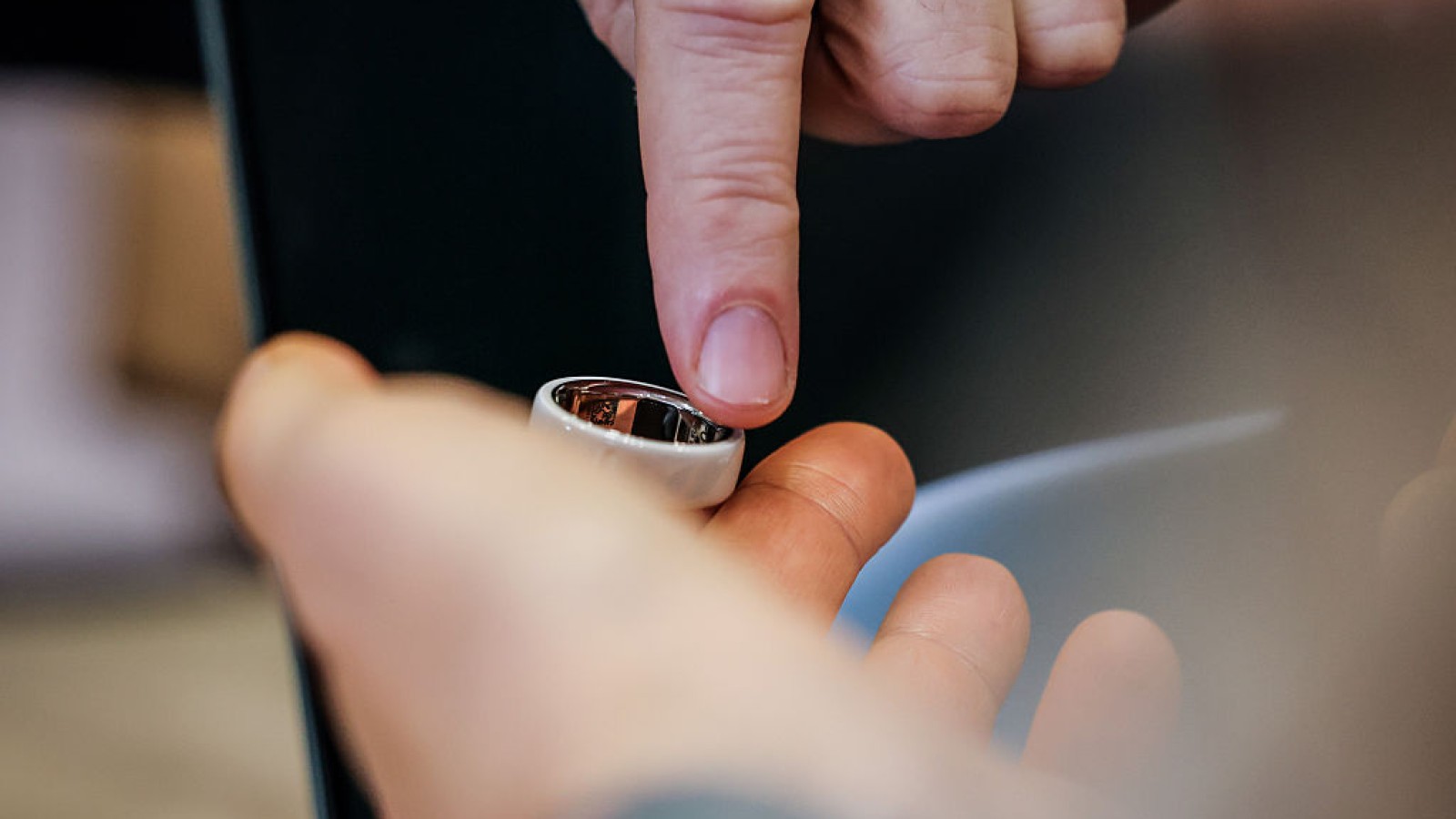
Oura is facing a lawsuit alleging that the smart ring brand engaged in false advertising by misleading users about the accuracy of its AI-generated sleep tracking. The suit was filed by Clarkson Law Firm in San Francisco, seeking class action status and a jury trial.
The complaint alleges that Oura built an EUR 9 billion (roughly £8.7 billion) company by capitalising on consumers’ desire for a tracker capable of monitoring sleep and sleep cycles. According to the lawsuit, Oura sold rings priced from EUR 257 (around £235) upwards, advertising that the devices could see what only a hospital sleep lab can see.
Representatives from Oura did not immediately respond to a request for comment.
What the lawsuit alleges
The suit claims that the Oura Ring‘s algorithms and sensors cannot detect the physiological signals required to accurately measure the different stages of sleep. Instead, the complaint alleges that the devices rely on “AI-generated guesses” that are no better than “a coin flip.” Because Oura states otherwise in its marketing and product details, the suit alleges the company is deceiving customers who have purchased a ring.
Oura’s website states that its wearables track seven sleep elements, including REM and deep sleep, to provide a sleep score. The suit highlights marketing statements such as “95% Sleep Staging Accuracy compared to clinical sleep lab,” but alleges that sleep labs require complex methods, including multiple electrodes to measure brain activity, which Oura’s products lack.
Ryan Clarkson, co-founder and managing partner at Clarkson Law Firm, said in a statement that when people rely on a device to guide decisions about their health, misinformation cannot be tolerated. He added that users trust that the numbers on their screen reflect reality, and that people structure their days and interpret how they feel around those figures.
What it means for Oura users
It is too early to say whether Oura Ring buyers could join the suit, or what specific compensation they might receive should the trial proceed or a settlement be reached.
Experts note that health trackers such as the Oura Ring can flag potential symptoms that may prompt a conversation with a doctor, but they cannot diagnose conditions. Such devices are not equivalent to the medical equipment found in a doctor’s surgery. For sleep scores and stages in particular, the figures are estimates, and a single data point or score should not be overemphasised.
There is also a view that more research is needed on these devices, as wearable health trackers have been launched at a pace that has made it difficult for scientific research to keep up, meaning more studies into their potential downsides are required.
This is not the first legal action Oura has faced. An ongoing class action alleges that Oura collected sensitive personal information without customer consent over a two-year period.