

The NASA Perseids livestream offers a way to enjoy one of the biggest meteor showers of the year without heading out to a dark-sky viewing site. The Perseids is among the most popular annual displays because it takes place during summer and has been reliably active for centuries, drawing many watchers who spend hours enjoying the spectacle in person.
For those who cannot make it outdoors, NASA is broadcasting the Perseids meteor shower online this year. The livestream begins at 9 p.m. PT on Wednesday via YouTube, showing real-time sky imagery from the Automated Lunar and Meteor Observatory at the Marshall Space Flight Center in Huntsville, Alabama. It will be hosted by meteoroid experts from Marshall, alongside several guest speakers discussing the shower, its history and related facts.
When the Perseids peak in 2026
The Perseids began its 2026 run on 17 July and continues until 24 August, so any meteor spotted in the night sky recently may well have been part of the display. The shower peaks on the evening of Wednesday and into Thursday, the best window for viewing. NASA says the Perseids can produce anywhere from 50 to 100 meteors per hour during the peak, averaging out to more than one per minute.
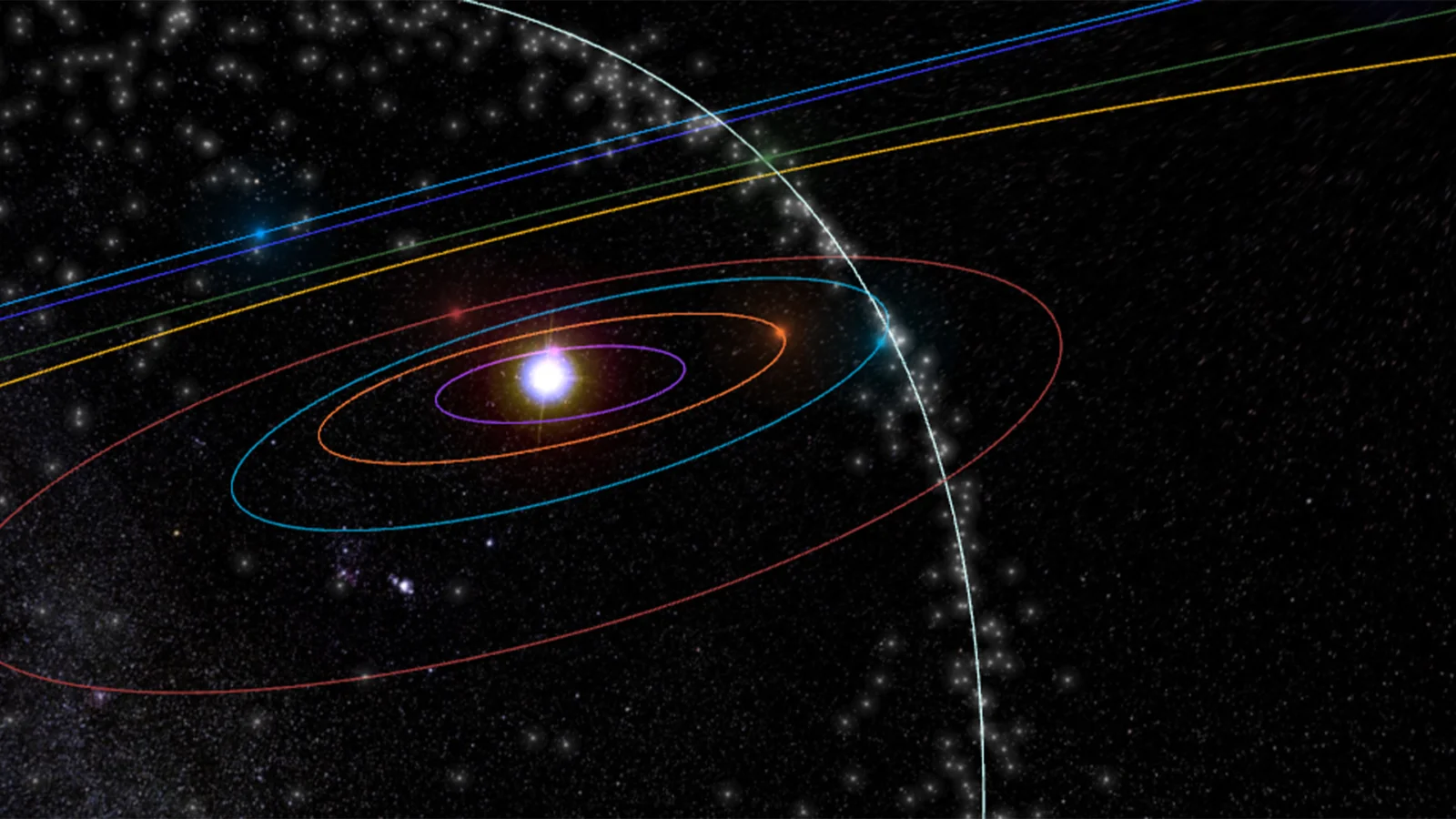
The meteors are the result of Earth passing through material left behind by the Swift-Tuttle comet. NASA has not confirmed how long the broadcast will run, but its name, Up All Night, suggests an extended session. It may prove the most convenient way for early risers to catch the Perseids after waking.
NASA’s other livestreams on the day
NASA typically simulcasts its streams across its YouTube channel, Twitch channel and NASA Plus, which is often also streamed on Netflix. However, Wednesday features several notable events, including a solar eclipse and a planet parade. The agency appears to be dividing its coverage, so the Perseids stream will appear only on YouTube.
The solar eclipse is being carried separately on NASA Plus, Netflix, X, Amazon Prime and YouTube on Wednesday. The eclipse lasts all day and is visible to the northern third of the United States, while those outside its path can watch online.