
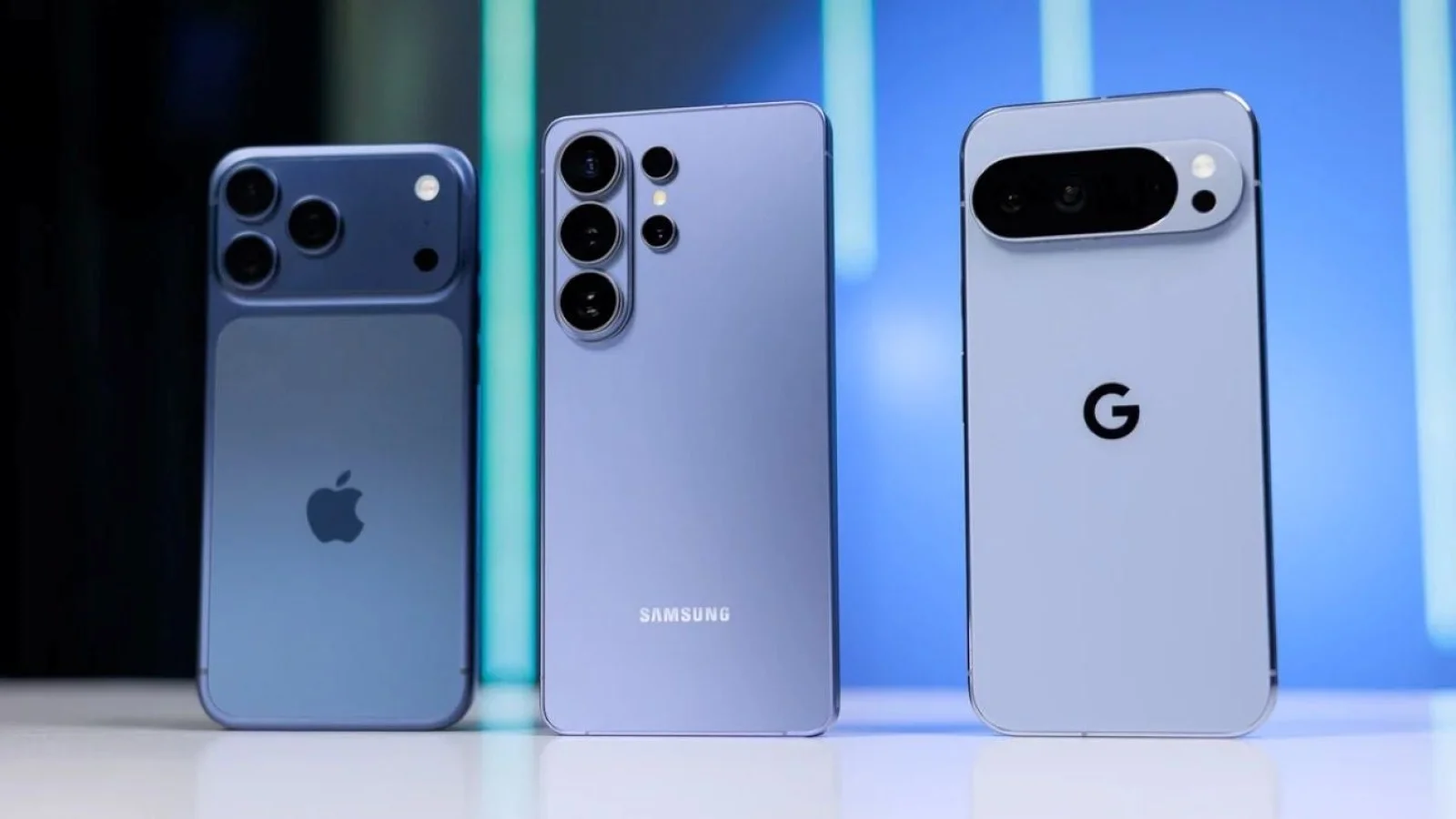
The Galaxy S27 Ultra is reportedly set to launch without Samsung’s newest imaging hardware, the ISOCELL HPC, according to the latest speculation surrounding the flagship. The decision would continue a familiar pattern for Samsung, which has repeatedly held back its most advanced components from its top-tier devices.
The ISOCELL HPC is a 200 MP sensor built to capture more light without enlarging its individual pixels. Its headline feature, DeepPix, increases the sensor’s light-handling capacity by 60%, improving HDR performance, colour reproduction and detail in both bright and dark areas. Samsung achieves this through a redesigned pixel structure that manages excess light more efficiently.
What the ISOCELL HPC offers
Beyond DeepPix, the sensor supports HDR at several in-sensor zoom levels, including 1.5x, 2x, 3x and 4x. It can shoot at up to 7.5fps in full 200 MP resolution, 30fps at 50 MP and 180fps at 12.5 MP. These capabilities position it as a notable step forward over Samsung’s existing sensors.
For context, the Galaxy S26 Ultra uses the ISOCELL HP2, a sensor dating back to 2023. Samsung also had the option to fit the larger ISOCELL HP0 for the telephoto camera on that model but chose not to do so. If the current reports prove accurate, the Galaxy S27 Ultra will not feature the newer HPC either.
Which phones may adopt it first
The ISOCELL HPC is most likely to appear first in high-end Chinese flagships, potentially arriving late in 2026 or in early 2027. Vivo has previously demonstrated its willingness to use Samsung’s premium sensors, having fitted the ISOCELL HP0 in the Vivo X300 Ultra to strong effect.
The wider availability of such devices in Western markets remains uncertain. With OnePlus withdrawing from the United States and the European Union, exposure to brands including Vivo, Xiaomi and Oppo may diminish in those regions, reducing the range of camera-focused flagships available to buyers.
Samsung and Google both trail Apple in the United States in terms of popularity and sales. As fewer alternative brands remain accessible, consumers in these markets have fewer opportunities to experience flagship devices carrying the newest imaging technology, much of which continues to debut in Chinese phones.
Source
Image: phonearena.com