
Apple’s iPhone 20 will retain a glass-centric design for its twentieth anniversary release, according to reporting from Bloomberg’s Mark Gurman. The clarification follows a separate analyst report suggesting the more ambitious “all-glass” model had been scrapped due to production difficulties.
Apple is expected to bypass the iPhone 19 name entirely, mirroring its 2017 decision to skip the iPhone 9 and move directly to the iPhone X. The move marks the true 20-year milestone since the original device launched in June 2007, when then-Senior Vice President of Industrial Design Jony Ive envisioned a buttonless glass slab. That concept proved too ambitious for the technology of 2007, with the aim being to realise it by 2027.
The original iPhone 20 vision
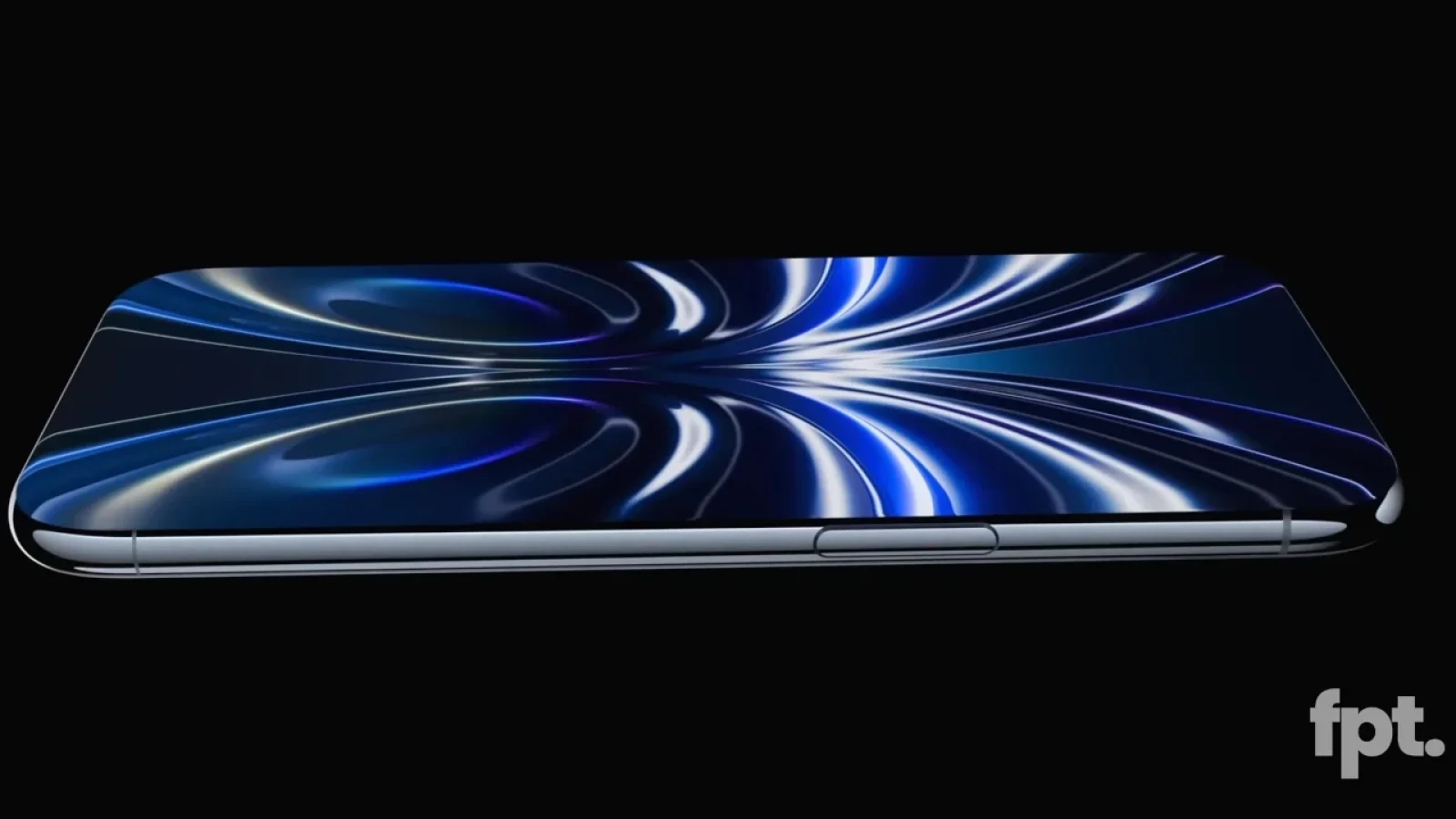
The initial plan called for a display that melded into the phone’s body, delivering the long-anticipated bezel-less appearance. With Face ID and the front-facing camera positioned beneath the glass display, the design would have eliminated the notch and the Dynamic Island cutout, leaving a pristine slab of glass. Solid-state buttons were set to replace traditional volume controls, and with no charging port, users would rely on MagSafe magnetic wireless charging.
According to people familiar with the plans, the iPhone 20 will still feature a glass-centric build, though it will not be as ambitious as earlier rumours indicated. The two iPhone Pro models are codenamed V73 and V74. Glass will be used on both the front and back of each handset, curving into the sides of the device, with a metal band running through the middle.
Production challenges and analyst downgrade
The original design reportedly used more glass in place of metal, and Apple encountered problems working out how to manufacture the model at large volumes. Jefferies analyst Edison Lee earlier issued a report based on supply chain checks, stating that the “all-glass” iPhone 20 had been cancelled. He downgraded Apple’s shares, contributing to a 1.62% or £4 decline for the day.
As Apple typically finalises iPhone designs around a year in advance, the iPhone 20 designs are likely complete, with the handsets probably undergoing advanced testing. The unveiling is expected to take place in September 2027.
A large pool of potential upgraders
Analysts believe that by the time the iPhone 20 arrives, more than 1.3 billion older iOS-powered handsets will be due for an upgrade, giving Apple a substantial pool of potential buyers. Approximately 850 million of those active devices lack the hardware support required for Apple Intelligence, meaning they cannot run the new Siri AI features.
Source
Image: phonearena.com