

The Honor Robot Phone has arrived, marking one of the most radical departures from conventional smartphone design in recent years. First teased as a concept, the device went on show at its official launch in Guangzhou, China, ahead of an imminent sale in the Chinese market.
Honor initially previewed the idea last year, followed by a mockup featuring a pop-out camera gimbal at CES in January 2026 and an early working demo at MWC in February. At the launch event, Honor CEO James Li said that in the age of AI, not every phone should be just “another black slab.” The company drew on its growing expertise in robotics, which includes building a humanoid robot, to fuse embodied AI with its handsets.
A Familiar Front, a Surprising Back
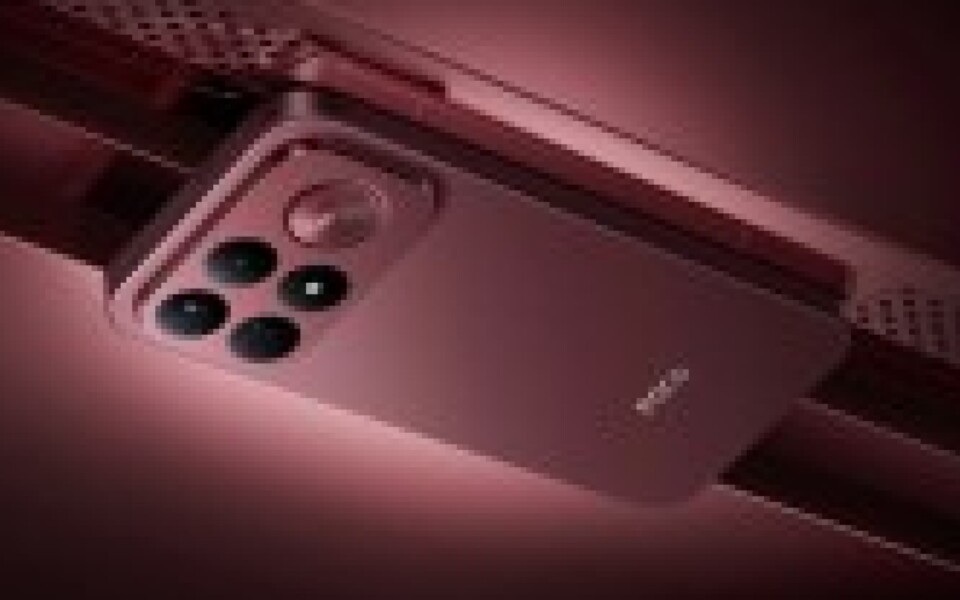
From the front, the Robot Phone looks much like a standard Android device. It is available in silver and grey and features a 6.3-inch OLED screen. The distinction lies on the rear, where the protruding module slides open to reveal a camera system mounted on a three-axis gimbal that swings out on a robotic arm. It is a significant break from typical camera-bump designs and packs technology that takes considerable time to master fully.
The device is powered by Qualcomm’s Snapdragon 8 Elite Gen 5 chip, positioning it to handle demanding AI requests. Honor has harnessed that processing power to bring physical AI features to a phone, an approach no other manufacturer has yet attempted.
Yoyo AI and Gesture Control
Central to the experience is the built-in Yoyo AI voice assistant. In a demonstration, the assistant was asked to order a boba tea from a nearby shop; it opened the relevant app, placed the order and completed payment, with delivery arriving in under 20 minutes.
The robotic arm that raises the camera can be activated in two ways: manually from within the camera app, or through gestures. When triggered by gesture, the Yoyo app opens automatically, turning the handset into a robotic personal assistant.
In this mode, the gimbal camera can perform around ten gestures to express itself. These include nodding, shaking its “head” (the camera), curious peeking and dancing in sync with a musical beat. The gesture repertoire is complemented by over 100 further expressive movements, extending the device’s interactive personality beyond conventional smartphone behaviour.
The Honor Robot Phone will go on sale in China imminently.