
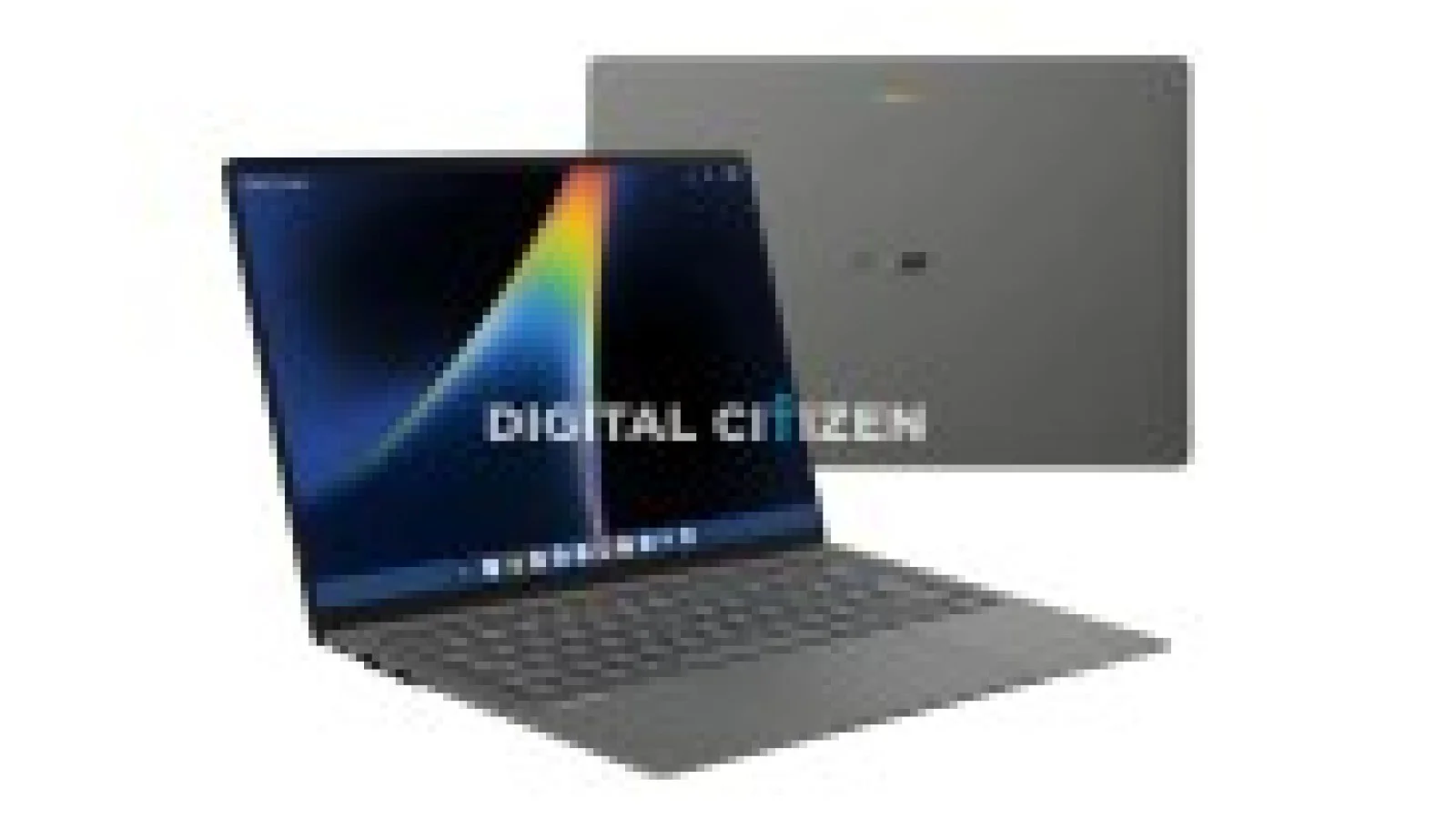
Googlebooks from Asus and Lenovo are expected to make an appearance at IFA next month, with alleged renders offering what may be the first detailed look at the emerging category. The images of one Asus model appear to have been upscaled using AI, resulting in some visual distortions, yet they still provide an early sense of the direction these devices are taking.
Google announced the Googlebook in May 2026, though it remains unclear whether the platform is intended to replace or complement Chromebooks. Given the substantial success of the Chromebook project, particularly within educational settings, the arrival of a new hardware category is significant.
What powers the new Googlebooks
Piecing together available information, Googlebooks are likely to run Google’s Aluminum OS, a custom Android-based operating system built specifically for desktop use. Described as “designed for Gemini Intelligence” and moving “from an operating system to an intelligence system”, the software promises to combine the Android app ecosystem with a fully functioning Google Play Store.
The platform is also set to offer deep cross-integration with Android phones, alongside the Chrome browser and existing Chrome OS features. This blend positions Googlebooks between the mobile and desktop worlds, drawing on Google’s established software strengths.
Hardware partners and design cues
Asus and Lenovo are among the hardware partners working on Googlebooks, with the wider list including Acer, Dell and HP. Several of these units, and potentially others, are likely to be unveiled at IFA.
Both featured laptops appear premium by Chromebook standards. The Asus model reportedly uses an Ultra-Ceramic Light Alloy chassis, making it 34% lighter and 13% stronger than before. Connectivity is generous, with a 3.5mm audio jack, two USB Type-C ports, two USB Type-A ports and a full-sized HDMI output.
Google has confirmed that each Googlebook will feature the glowbar, described as “a statement that is both functional and beautiful”. Many have drawn comparisons to the Pixel Glow LEDs, or HiLight, expected to arrive on the Pixel 11 series, marking it as a signature and instantly recognisable design element.
The Lenovo model looks very similar and also carries the HiLight as a prominent feature. It shares the same port selection as the Asus, suggesting Google may have set certain requirements in this area. Google has stated that the new devices will arrive in a variety of shapes and sizes.
Source
Image: gsmarena.com