

Surveillance pricing is drawing renewed attention as two of the largest American brands find themselves at the centre of a growing dispute over how companies use artificial intelligence to set prices. The practice, which concerns whether businesses can set prices based on information held about individual customers, has become the focus of lawmakers, the Federal Trade Commission and consumer advocacy groups.
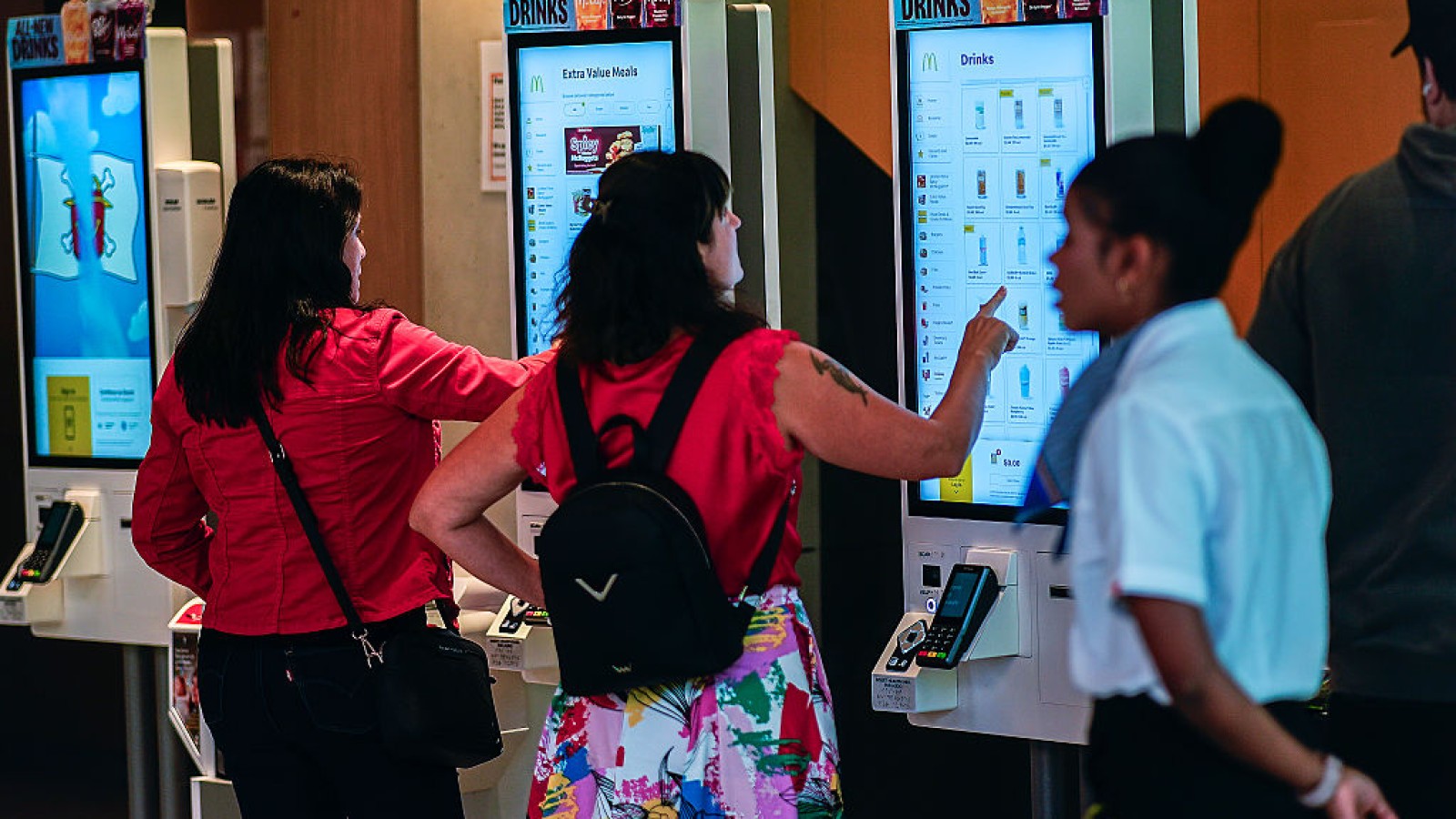
The topic returned to the headlines following reports that Walmart patented technology for dynamic AI pricing, roughly six months after filing for patents related to digital shelf labels. McDonald’s, meanwhile, has begun using an artificial intelligence algorithm to recommend menu prices across its restaurants.
Both developments have raised a central question that regulators and campaigners are increasingly asking: how companies are using AI to set prices, and whether those practices may harm certain shoppers or even break the law.
How Walmart and McDonald’s Have Responded
Facing a backlash, Walmart has sought to reassure the public that different customers will see the same digital shelf label prices and that its backend AI systems will not engage in discriminatory pricing. In a letter to customers dated 25 September, chief executive John Furner wrote: “Your income, shopping history, urgency or what we think you could pay won’t change the price.” He added that whether a customer is buying groceries or electronics, “it’s never a reason to charge you more.”
A Walmart representative reiterated that position, stating that the company does not set different prices based on who a customer is or the time of day, and emphasising that a patent does not define the firm’s pricing practices or intent.
Despite these assurances, scepticism remains. One consumer advocate, Jeff Rossen, suggested in a recent video that Walmart customers should leave their phones in the car while shopping to avoid being datamined.
McDonald’s has similarly been the subject of coverage over its shift to AI systems that could result in different prices for different items at different restaurants for different customers. The company has described some of that coverage as “speculative and misinformed,” though questions have continued over why burger prices can vary from one neighbourhood to another as part of its technology overhaul. A representative for McDonald’s did not immediately respond to a request for comment.
What Surveillance Pricing Actually Means
Surveillance pricing is often conflated with the terms “dynamic pricing” or “algorithmic pricing.” It is a broad concept that includes practices that have existed for decades, such as prices set automatically based on supply and demand, as seen with petrol prices. For years, shoppers have also encountered “surge pricing,” such as the rising cost of a ride-hailing journey during spikes in activity or around major events.
As AI has become mainstream, more companies now have access to an array of information collected about their customers, whether through apps, loyalty programmes or website tracking. This makes it increasingly likely that firms can set different prices for different shoppers based on that data.
The practice is not always personalised. In June, a lawsuit was filed in California involving pricing at petrol stations, underlining the range of settings in which these questions are now being raised.