
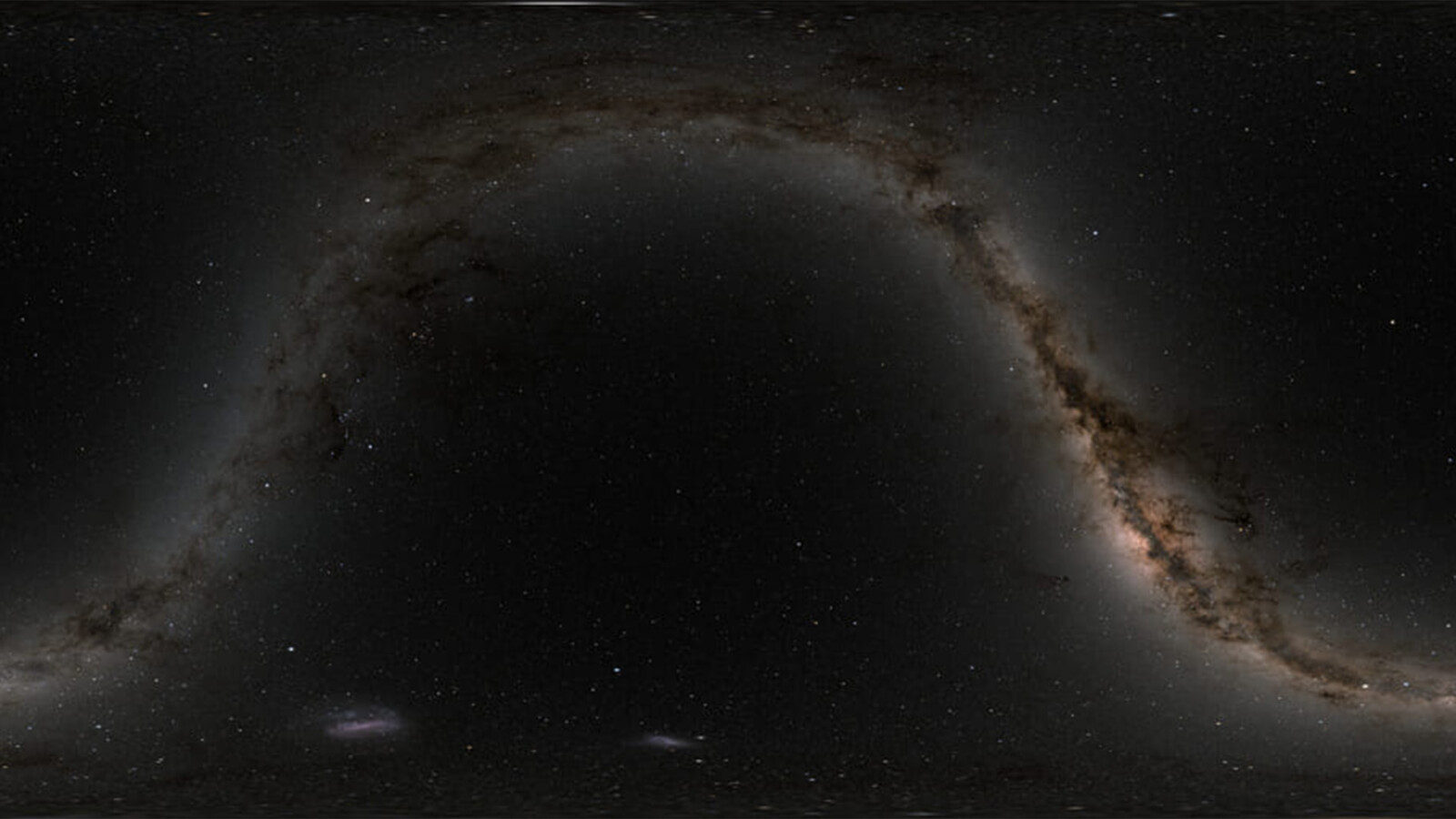
The September 2026 night sky offers amateur astronomers a rewarding line-up of celestial events, from meteor showers to close pairings between the moon and the planets. The month begins quietly before picking up pace, giving stargazers plenty to observe before autumn settles in.
Meteor Showers to Watch
Two meteor showers feature this month, one closing at the start and the other opening towards the end. The Aurigids meteor shower is a minor display fuelled by the C/1911 N1 Kiess comet. It runs from late August, lasts roughly four or five days and peaks on the evening of 1 September. To spot it, look towards the Auriga constellation, the radiant from which the meteors appear to originate. Auriga rises from the north-eastern horizon shortly after midnight on 1 September.
The second display is the Southern Taurids, one of the longest meteor showers of the year, spanning exactly two months from 20 September to 20 November. It is fuelled by the 2P/Encke comet, the same body responsible for the Northern Taurids, which begin in October. The Southern Taurids will not peak until early November, so most of the meteors will appear then, though the occasional stray meteor may cross the late September skies. Both Taurids showers have what are known as swarm years, when activity is much stronger; the next is predicted for 2032. The meteors appear to originate from the Taurus constellation, which rises from the eastern horizon shortly after 1am in late September, right beside Auriga.
Moon and Planet Meetups
Across eight days, the moon draws close to almost every visible planet. The action starts in the early hours of 7 September, when the moon and Mars streak across the sky together. Both rise over the north-eastern horizon shortly after 3am local time, with the moon following Mars for the remainder of the night, making one easy to locate once you have found the other.
When the moon rises on the morning of 8 September, it is followed by Jupiter, placing the two side by side and easy to see. The trickiest pairing involves Mercury and the moon, which meet right at sunset on 12 September; observers will have only a few minutes to catch both before they drop below the horizon. Finally, the moon meets Venus on 14 and 15 September, again at sunset and shortly after.
Constellations and Viewing Notes
These moon and planet alignments are fairly common occurrences as the moon tracks along its path relative to the planets. Timings are given in local time, and clear, dark skies away from light pollution will improve viewing of both the meteor showers and the fainter pairings.
The Southern Taurids continue running until 20 November, overlapping with the Northern Taurids that begin in October.