
AI companion devices are set to become a key battleground in 2026, as two of the biggest names in the industry prepare to test whether consumers want dedicated hardware built around artificial intelligence. While AI has already established itself on phones and computers, it has so far struggled to find a foothold in standalone gadgets.
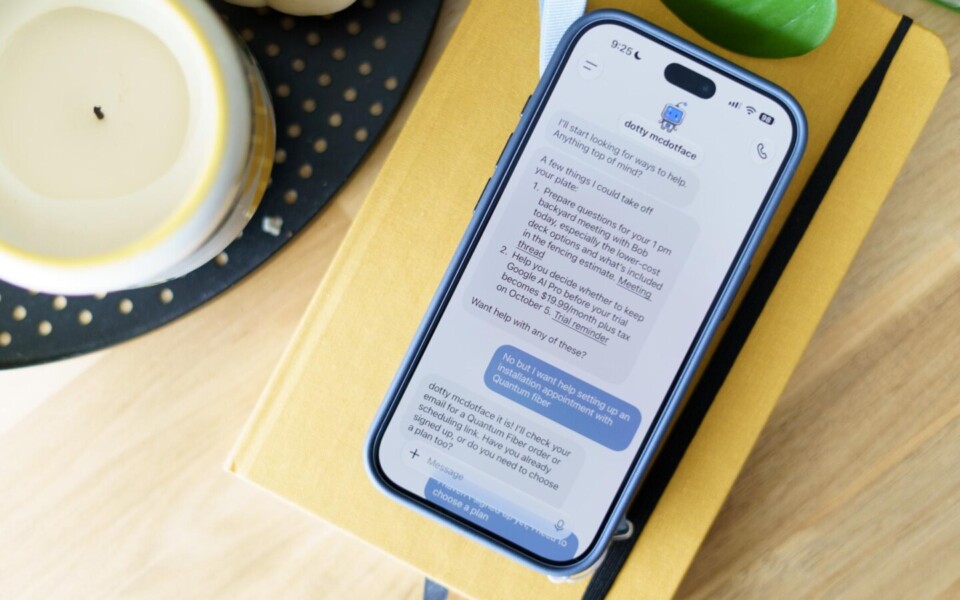
Both Meta and OpenAI are preparing to change that over the coming year, and they appear to be following a strikingly similar strategy. Rather than launching a fully formed device straight away, each company is gauging public appetite through friendly, approachable software agents before committing to physical products.
Why Dedicated AI Hardware Has Struggled
“Hardware is hard” remains a long-standing mantra across the technology industry, and recent attempts to create standalone AI gadgets have reinforced that view. Products such as the Friend and the Humane AI Pin generated more frustration and backlash than enthusiasm. That reaction could intensify as wider public anger towards AI continues to build.
Despite these setbacks, both companies are pressing ahead with their plans. The difficulty of launching successful consumer hardware has not deterred them, and they are betting that approachable, personable software can pave the way for the devices that follow.
The Road to AI-Powered Devices
OpenAI is collaborating with celebrated former Apple designer Jony Ive on its hardware ambitions, signalling the company’s intent to deliver a product with strong design credentials. The partnership reflects a broader push among AI firms to move beyond screens and apps into dedicated physical form factors.
The approach being tested by both Meta and OpenAI centres on cute, companion-style agents, drawing comparisons to the appeal of earlier interactive gadgets. By introducing these agents in software first, the companies can measure interest and refine the experience before investing further in hardware that has historically proven difficult to get right.
Over the next twelve months, the industry will watch closely to see whether these efforts can succeed where previous dedicated AI devices have fallen short. Both Meta and OpenAI are advancing their plans throughout 2026.
Source
Image: theverge.com