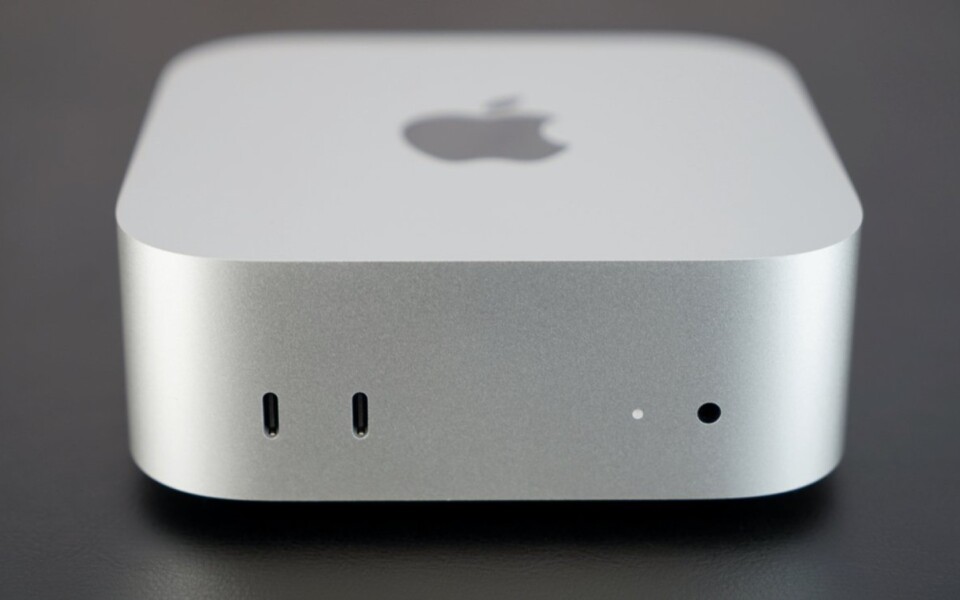

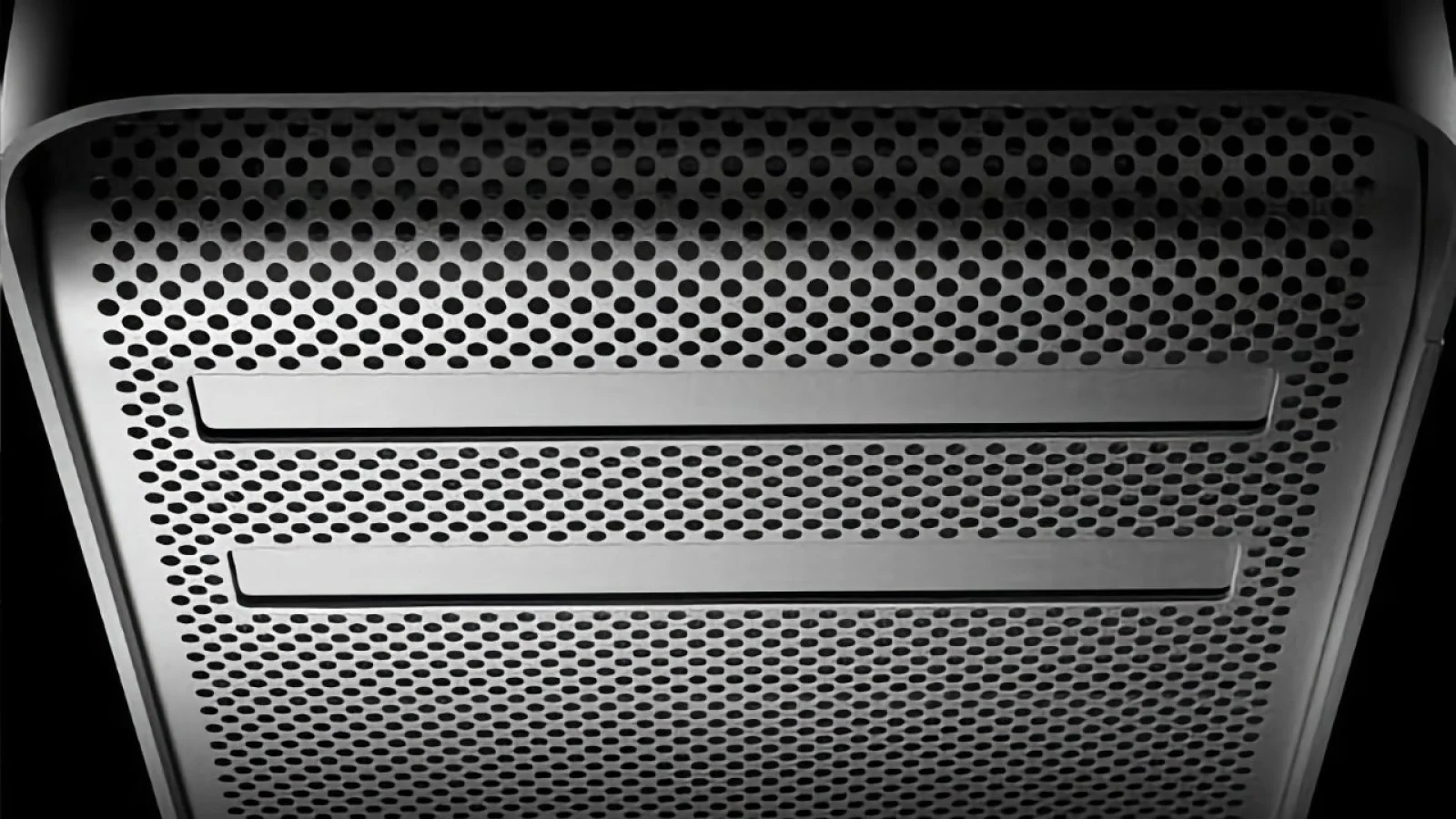
The Mac Pro is 20 years old today, and even though the entire range has now been discontinued, enthusiasts continue to celebrate this old favourite workhorse from a time when it sat at the clear top of Apple’s line-up.
Apple finally retired the Mac Pro in March 2026, just short of its 20th anniversary. Its decline, however, really began six years earlier as the Mac range transitioned to Apple Silicon. The Mac Pro was the last model to make the leap away from Intel, and by then the switch mattered little.
The machine’s future had been in doubt many times across its history, but Apple Silicon ultimately robbed it of its place as the Mac for every user who needed the greatest possible performance.
A niche machine with a niche price
The Mac Pro was always a niche product, defined by extremely high specifications for its time and a correspondingly high price. Yet it served a niche market that genuinely needed that power and was willing to pay for it, and so the Mac Pro sold well enough.
After the move to Apple Silicon, and especially as the newer and lower-cost Mac Studio emerged as the better buy, the Mac Pro’s niche narrowed further. For those whose work meant paying Mac Pro prices still felt like a bargain, the Apple Silicon version proved sufficiently limited that it missed the mark.
To appreciate how important the original model was, it is worth stepping back to the 2019 machine, which was so desired and anticipated that Apple began teasing it in 2017 and again in 2018.
The last Intel Mac Pro
The first time Apple mentioned it, the company was careful not to reveal any details. Phil Schiller simply said that Apple was “completely rethinking the Mac Pro”.
“We’re committed to making it our highest-end, high-throughput desktop system, designed for our demanding pro customers,” Schiller said.
The second reference came in the following April, when Apple confirmed it would arrive in 2019. “There’s many different types of pros and obviously they go really deep into the hardware and software and are pushing everything to its limit,” said John Ternus, head of the Pro Workflow Team, who has since risen further within Apple. “We want to provide complete pro solutions.”
Enduring demand for a top-tier Mac Pro
Professional and power users have demanding needs, and those needs only intensify over time. But the requirement for the very best Apple could produce is the same today as it was when the original Mac Pro launched in 2006.
Before its release, Mac faithful sensed something in the air, but were uncertain whether the old PowerPC processor really would be replaced by Intel, and whether that shift would make a significant difference.
Then on 6 June 2005, Steve Jobs formally confirmed that Apple was switching to Intel processors for the Mac, and detailed the company’s roadmap.
“Starting next year, we will begin introducing Macs with Intel processors in them,” he said at WWDC 2005. “So when we meet again this time next year, our plan is to be shipping Macs with Intel processors by then. And when we meet here again two
Source
Image: appleinsider.com