
Photographing the lunar eclipse on 27 August with an iPhone Live Photo gives you several chances to capture a sharp image, as the feature records a short sequence of frames rather than a single shot. During the event, 96.3% of the Moon will pass inside Earth’s shadow, creating a striking partial eclipse worth documenting.
Timing of the partial lunar eclipse
The partial phase begins at 10:34 p.m. EDT and reaches its maximum at 12:13 a.m. EDT on 28 August, according to timings published for the event. Before 10:34 p.m., the Moon passes through Earth’s lighter penumbra, producing only subtle shading that can be difficult to detect with the naked eye.
Most of North and South America will be able to see the partial lunar eclipse, while parts of western Europe and western Africa will catch portions of it. Unlike a solar eclipse, this event is safe to view and photograph without protective glasses or a filter, making it accessible to anyone with a smartphone.
Using Live Photos for a sharper result
A Live Photo captures a brief moving sequence around the moment you press the shutter, giving you multiple frames to choose from. This is especially useful for astrophotography, where slight camera shake or timing can spoil a still image. Once you have taken the shot, you can scroll through the frames and select the sharpest one as the key photo.
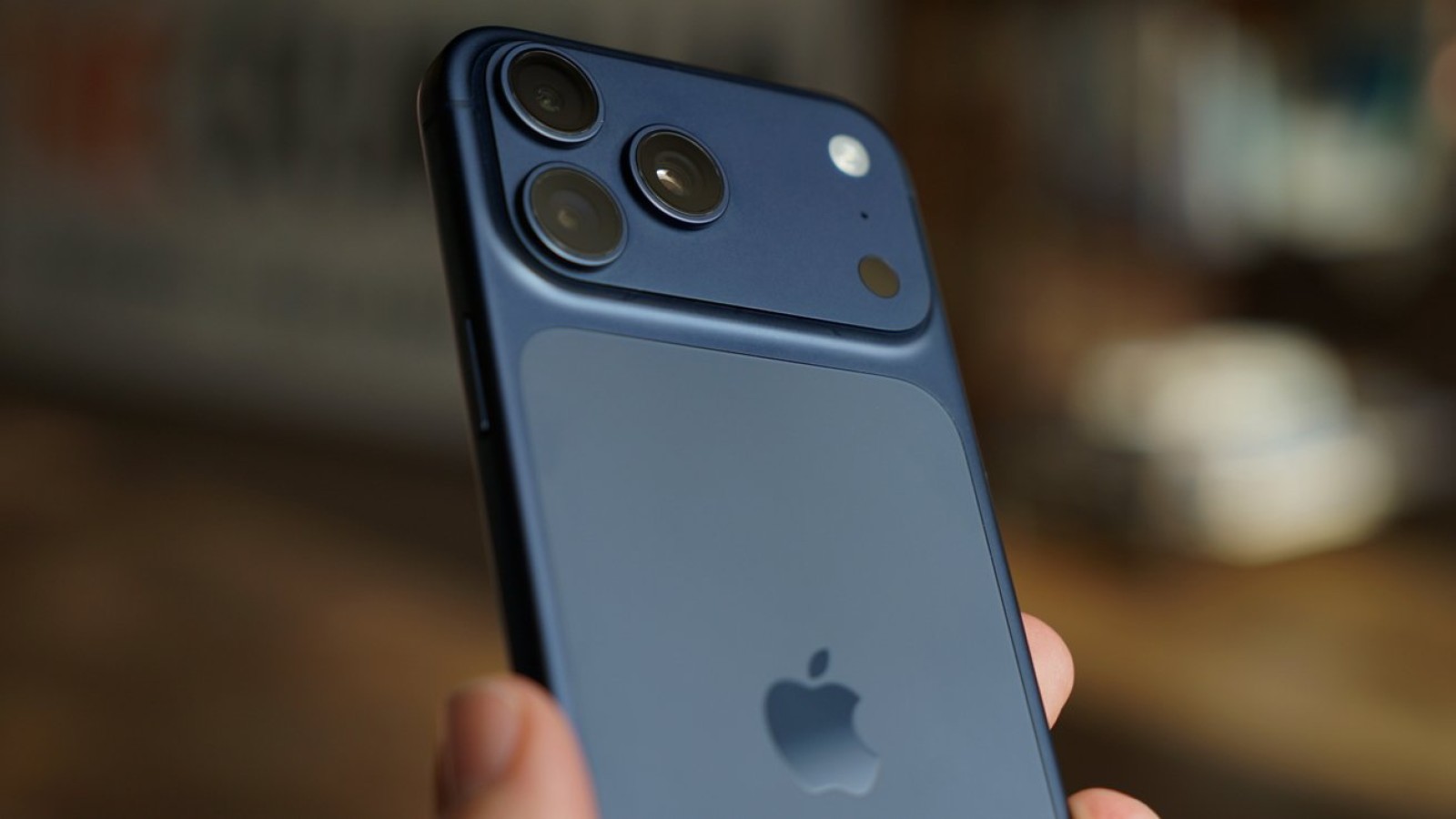
The iPhone 17 Pro cameras offer the flexibility needed for low-light subjects like the Moon, and steadying the device or using a tripod will further improve results. Keeping the phone still throughout the capture helps ensure the frames within the Live Photo remain crisp.
The eclipse offers a lengthy window for photography, with the partial phase running from its start at 10:34 p.m. EDT to maximum coverage at 12:13 a.m. EDT, when 96.3% of the Moon sits within Earth’s shadow.
Source
Image: appleinsider.com