GrapheneOS, a privacy-first, open-source mobile operating system, is set to expand beyond Google Pixel devices to support Motorola smartphones next year. The move gives privacy-conscious users a wider choice of hardware for the first time.
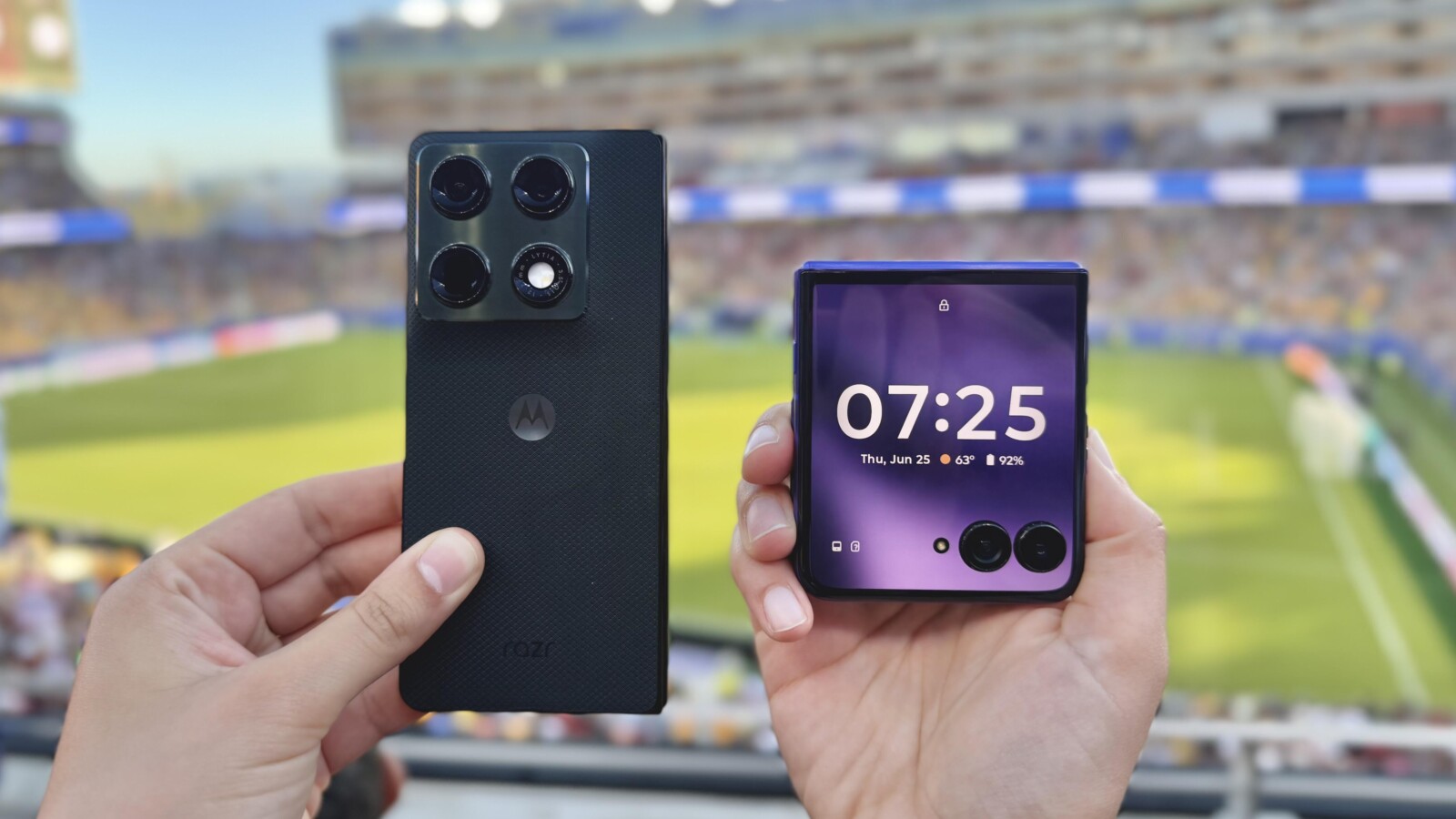
The GrapheneOS Foundation, which develops the operating system, confirmed that initial support will begin with traditional flagship handsets before extending to foldable models such as the Motorola Razr Fold.
GrapheneOS applies rigorous security standards, which many 2026 Motorola models are said to be close to meeting. The next generation of Snapdragon chips is expected to meet these requirements, which is why support is anticipated to arrive on Motorola devices in 2027. Current 2026 Motorola models will not be supported retroactively, as they lack a handful of crucial hardware security features.
How GrapheneOS Differs From Android
Unlike Google’s Android operating system, GrapheneOS prioritises hardware-level anonymity and zero-trust isolation by default. It removes built-in tracking and strips Play Services down to an isolated app sandbox. This “de-Googled” baseline is paired with active, operating-system-level privacy protections, giving users greater control over their data without relying on third-party fixes.
Bringing GrapheneOS to Motorola could also improve software support for the brand’s handsets, helping them compete more effectively with Samsung and Google devices. Motorola phones running GrapheneOS are slated to receive seven years of full operating system updates. By comparison, the 2026 Razr Ultra receives three years of software updates and five years of security updates.
Wider Availability And Real-World Use
Until now, GrapheneOS has been limited to certain Pixel phones, which the GrapheneOS Foundation says meet its stringent privacy and security standards and benefit from substantial device-specific hardening. That restriction has frustrated some users, particularly those seeking to cut ties with Google while still being tied to a Pixel device.
Support for Motorola offers, for the first time, a non-Google alternative alongside foldable form factors. It also raises questions about how the open-source app developer community will adapt designs for a foldable screen.
GrapheneOS drew attention in July after the US government indicted an activist who gave border agents a duress passcode that deleted the data on their phone. Samuel Tunick is accused of providing the duress passcode after agents repeatedly asked for his device’s passcode. According to the indictment, once the code was entered, the screen went blank, flashed several times, and the phone appeared to restart. Tunick’s legal team confirmed he had GrapheneOS installed on his Google Pixel phone.