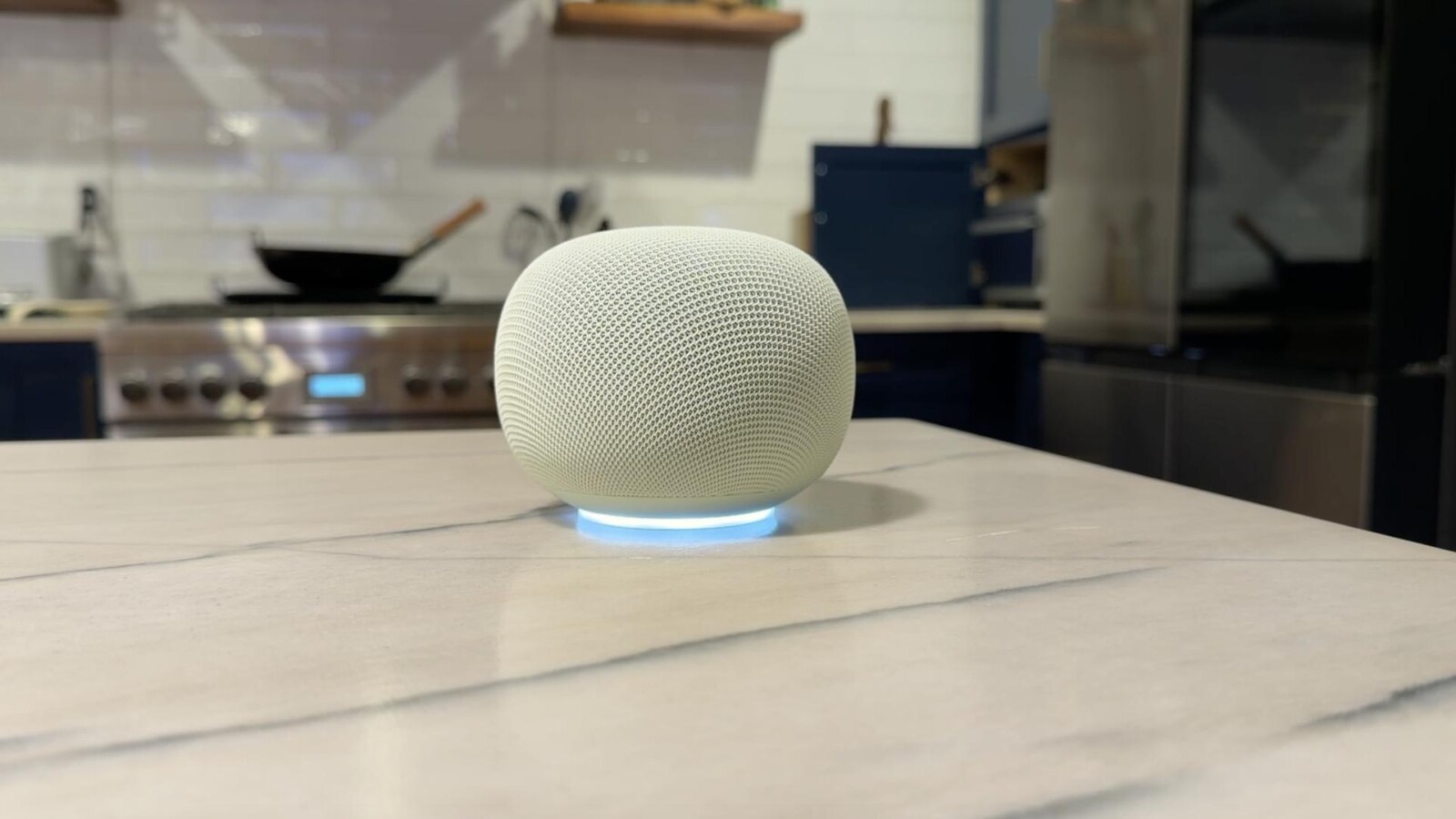
Google Home MCP is a new integration that allows third-party AI agents to control and monitor your connected devices and act on your behalf. Google is opening up its smart home platform so that tools such as Claude and Open Claw can access and analyse your home’s data using the standardised Model Context Protocol.
The move extends the reach of external AI agents into the Google Home ecosystem, giving them the ability to work directly with connected devices and review historical event data. It marks a shift towards greater interoperability between smart home hardware and the growing range of agentic AI tools now available.
How Google Home MCP works
The integration lets any AI agent that supports MCP work securely with all of the devices and event history within a user’s Google Home setup. According to Taylor Lehman, group product manager at Google Home & Nest, this includes agents such as Google Antigravity, Claude, Hermes and Open Claw.
By adopting the Model Context Protocol, Google is relying on a standardised framework rather than building bespoke connections for each individual tool. This means agents that already support MCP can be brought into the smart home environment without requiring proprietary integrations, allowing them to both monitor conditions and take actions on the user’s behalf.
Wider access for AI agents
The key change is that third-party agents are no longer limited to Google’s own software. Previously, controlling smart home devices typically meant working within Google’s ecosystem and its native assistant tools. With Google Home MCP, external agents gain a route to interact with the same devices and data.
This opens the door for a broader set of assistants to manage lighting, sensors, thermostats and other connected hardware registered within Google Home. Because the agents can also access event history, they are positioned to analyse patterns in how a home is used and respond accordingly, rather than simply issuing one-off commands.
The announcement reflects a broader industry trend towards agentic AI, in which software agents are given the tools and permissions to complete tasks autonomously across connected services. By making Google Home compatible with the Model Context Protocol, Google is aligning its smart home platform with this emerging approach and positioning it as one of the systems these agents can operate within.
Google Home MCP allows any MCP-supporting agent, including Google Antigravity, Claude, Hermes and Open Claw, to securely work with the devices and event history in a user’s Google Home ecosystem.
Source
Image: theverge.com