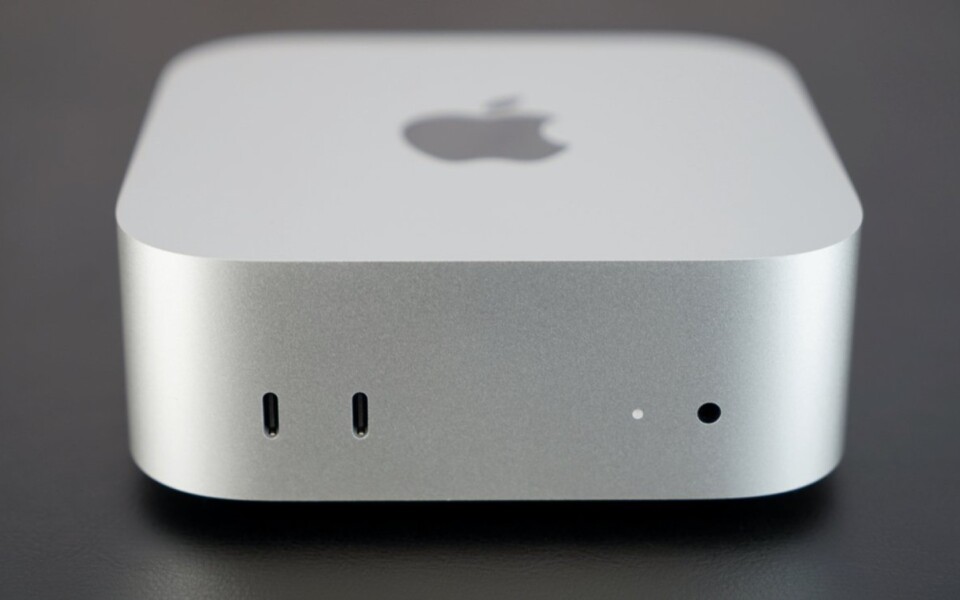

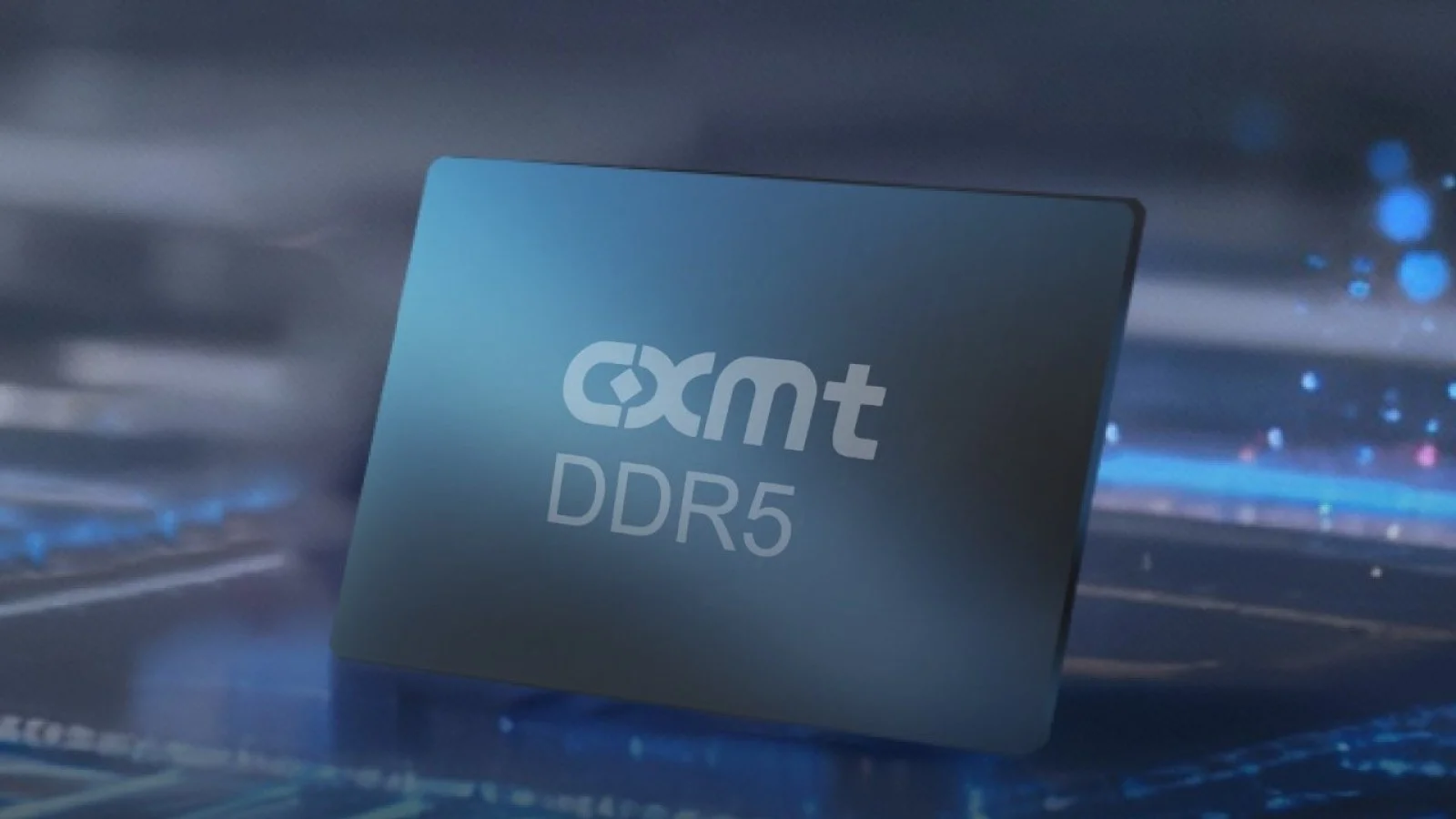
Apple has been testing CXMT memory chips for the Mac, extending trials beyond the iPhone as a global chip shortage reshapes supply strategies. The Chinese manufacturer is blacklisted by the United States, yet its RAM has become part of ongoing evaluations across Apple’s product range.
The move comes as memory availability tightens and prices climb. Although the Chinese-made chips were once considered a potential lower-cost option, they have not delivered the savings Apple originally sought. Even so, the company is reported to be continuing its assessment of the components.
Because every Apple device relies on memory and shares the same Apple Silicon architecture, extending testing from the iPhone to the Mac follows logically. Trials confined to a single product line would have been the more unusual outcome.
Rivals already shipping overseas
What sets the latest information apart is the claim that both HP and Acer are already using CXMT memory in devices sold outside the United States. Neither firm appears to have sought clearance from the US government, and strictly speaking neither is obliged to do so.
The same applies to Apple, provided the Chinese chips are used exclusively in devices manufactured overseas for local sale. Despite this, and aware of the political sensitivity, Apple has requested permission from the administration.
That caution may stem from Apple’s role as a supplier to the US government. HP and Acer sell to it as well, and the US Department of Defense is barred from buying from third parties that use components made by companies on the Chinese Military Company Blacklist.
CXMT was briefly taken off that list in February 2026, only to return in the update issued in June 2026. The company is not, however, on the Entity List, which would have prevented US firms from any dealings with it. As long as manufacturing and sales remain entirely outside the United States, HP, Acer, and Apple do not currently require permission or exemptions.
Pricing power under pressure
The administration does not appear to have approved Apple’s request so far. Whatever the reasoning behind it, the original testing of the CXMT chips is presumed not to be prohibited.
More recently, Apple was turned away by CXMT when it tried to negotiate a lower price for the memory it needs. The Chinese manufacturer is said to have little need for Apple orders, as it already supplies Huawei and Xiaomi. While it did provide a quotation, the figure matched the prices offered by Samsung and SK Hynix.
Apple usually commands significant buying power, but that leverage has been substantially eroded. Demand from AI firms has driven chip prices upwards and reduced availability, leaving Apple negotiating from a weaker position than it is accustomed to.
Source
Image: appleinsider.com