

The US Department of Transportation has released its new Freedom Means Affordable Cars rule, resetting the nation’s corporate average fuel economy standards to pre-Biden-Buttigieg-era levels. Secretary Sean P. Duffy described the change as the end of what he called an “illegal mandate” that forced automakers to build electric vehicles that Americans do not want. The rule makes it easier for manufacturers to build less efficient vehicles at a time of rising fuel prices.
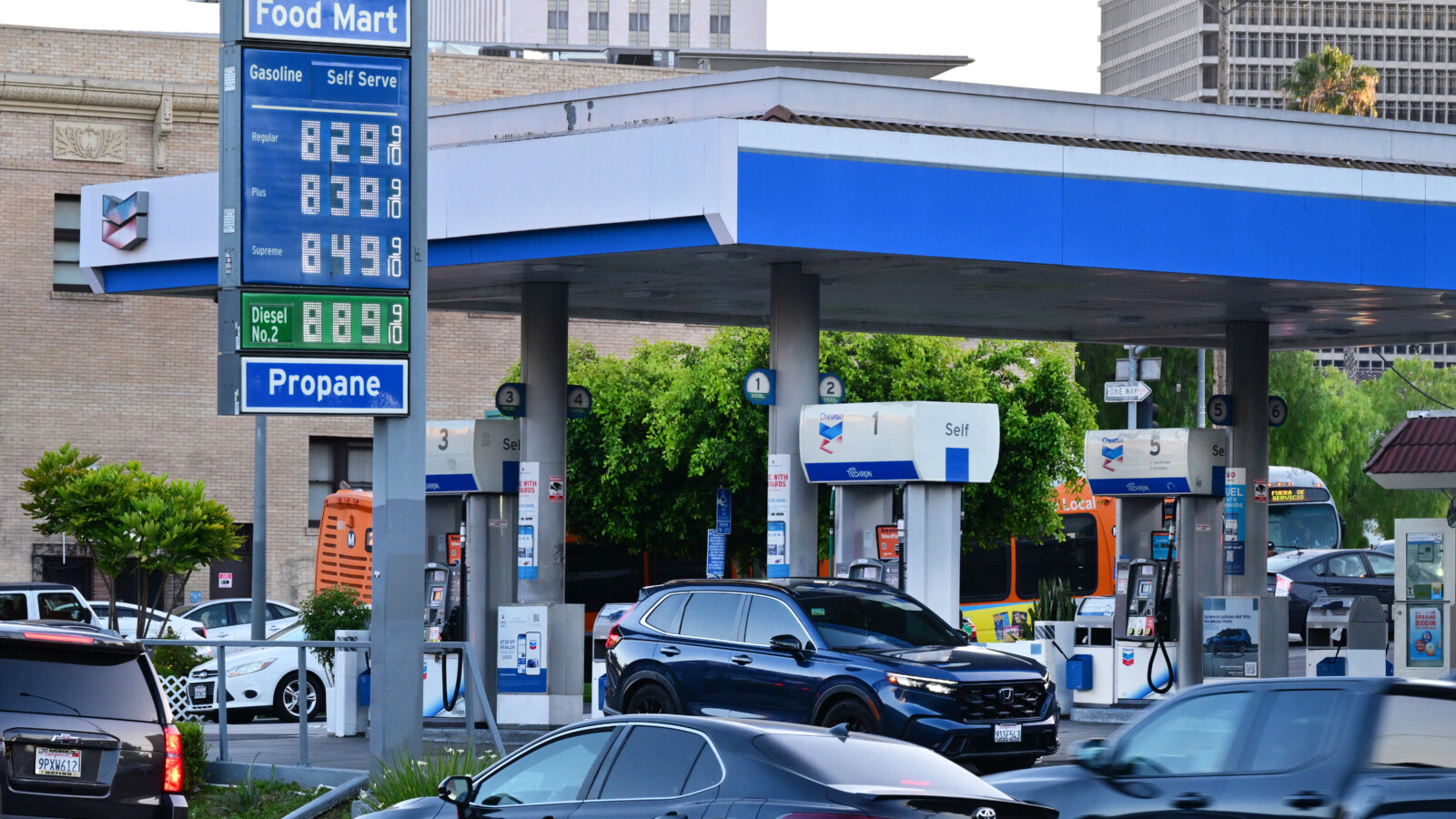
Americans are currently paying an average of EUR 4 (around £3.55) per gallon for regular petrol and EUR 6 (around £5.10) per gallon for diesel, with high prices driven largely by the conflict in Iran and instability stemming from the closure of the Strait of Hormuz. That represents more than a 50% increase at the pump since the start of the conflict. Estimates released by the US Senate’s Joint Economic Committee this summer indicate Americans have spent EUR 38 billion more (around £34 billion) on fuel during the war, with no relief in sight.
Kathy Harris, director for clean vehicles at the Natural Resources Defense Council, said in a prepared statement that oil companies stand to gain a windfall from the weakening of the fuel economy standards, while consumers face higher costs to fill their tanks.
What the rule contains
The SAFE Vehicles Rule III, as the measure is formally known, is projected by the DOT to cut the average new-vehicle price by EUR 1,143 (around £1,030), save people EUR 121 billion (around £109 billion) over five years, and prevent 300,000 serious injuries and 1,900 deaths by encouraging new-car sales.
The rule sets more relaxed standards for model years 2022 through 2031. The National Highway Traffic Safety Administration estimates the revised standards will result in a fleet average of 34.9 mpg by 2031, up from 30.1 mpg in 2024, but well below the approximately 50.4 mpg minimum fuel economy for passenger vehicles and light trucks set during the previous administration. The 34.9 mpg target sits below what automakers have on average already achieved.
Changes to vehicle classification
Beginning with model year 2030, the rule will also alter how vehicles are classified. The move is intended to discourage automakers from making design changes and adding equipment to small crossovers in order to shift them into the light-truck classification, which carries lighter efficiency standards.
The department states it hopes the change will flip the current fleet mix of roughly 70% light trucks and 30% passenger vehicles to around 70% passenger cars and 30% light trucks. The revised standards apply to model years 2022 through 2031, with the reclassification taking effect from model year 2030.