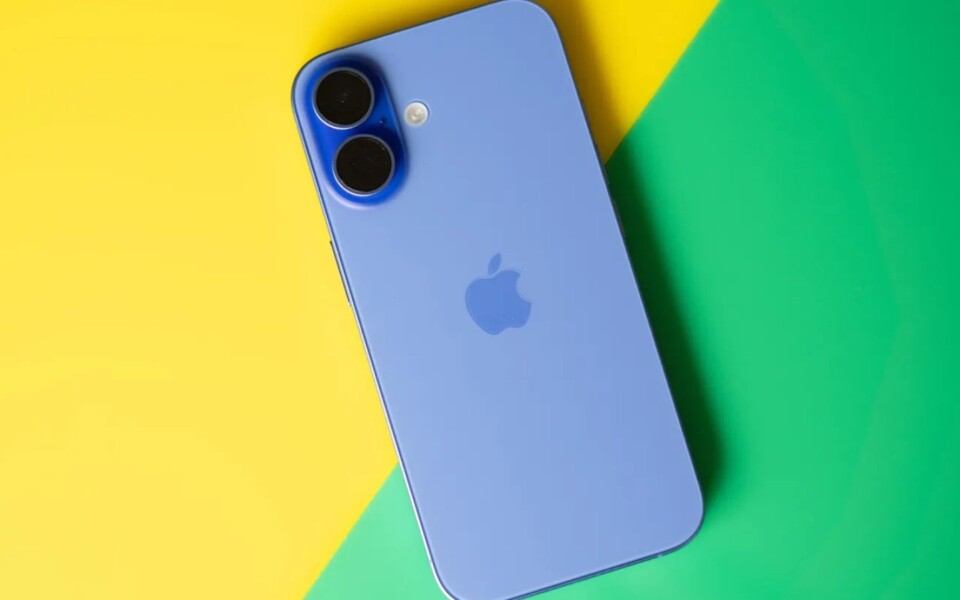

The iPhone Duo is Apple’s first-generation foldable, and its arrival marks a notable moment for the company and the wider folding phone market. With its passport-style hinge and large displays, the device carries the familiar risk that comes with any first-generation product, even one from a manufacturer with a track record as well documented as Apple’s.
Buying it means spending at least £1,600 on a device likely to be used for several hours each day over at least the next 12 months. That is enough to give many potential buyers pause before committing.
A first foldable iPhone in an established market
Apple is far from the first company to produce a foldable phone. Samsung is in its seventh year of releasing foldables, yet such devices remain relatively rare in major cities and busy airports. The owners who have them tend to be early adopters, comfortable with technology that is not fully refined, and are happy to share what these phones can do.
The iPhone Duo changes the equation because of the audience Apple typically reaches. Feedback from users who are not tech-obsessed is especially valuable to Apple. That input can shape which features are created and retired, and those decisions often go on to influence most other folding phones.
Lessons from the Apple Watch
A useful precedent is the Apple Watch. The first model included some fitness features but was largely built around the idea of leaving your phone behind, mirroring the competition. Rather than replicating a phone on the wrist, complete with a tiny keyboard, Apple focused on fitness tracking and health monitoring, which quickly became its most popular features.
By the third-generation Apple Watch, GPS and cellular features were presented as ways to improve fitness tracking rather than to replace a phone. Now at Apple Watch Gen 12, fitness is central to how the product is discussed.
The next six months are set to be important for the future of Apple’s role in the foldable market. Audience response will help shape the next iPhone Duo. Popular third-party apps could become native features, accessories will be developed to address new use cases, and current features are likely to be copied across the industry.
The device can be propped half-open to watch films and access controls, and it supports running favourite apps side by side. Broad early feedback, from beyond the usual group of IT professionals and frequent-flying executives, stands to shape how the iPhone Duo develops over the coming year.