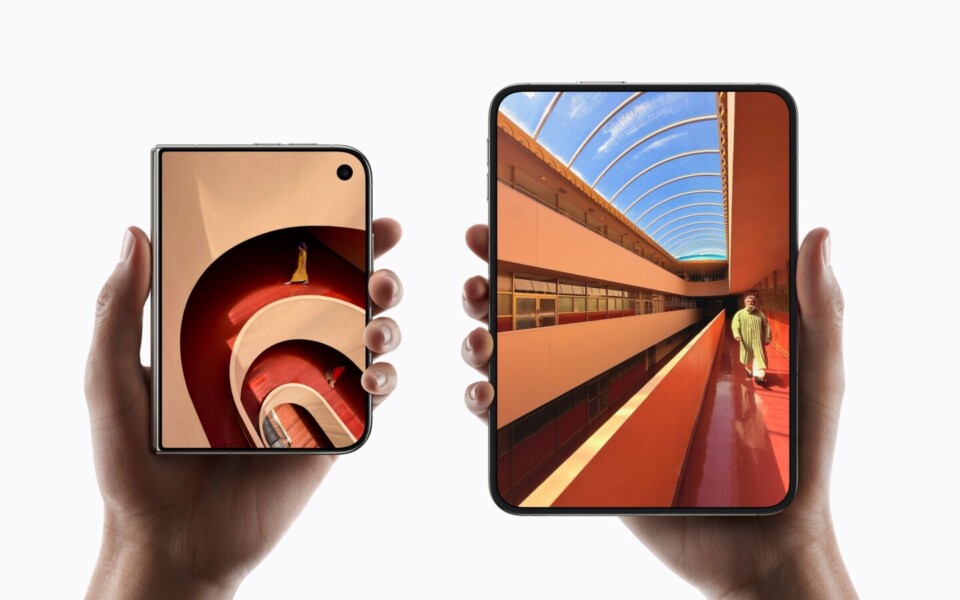

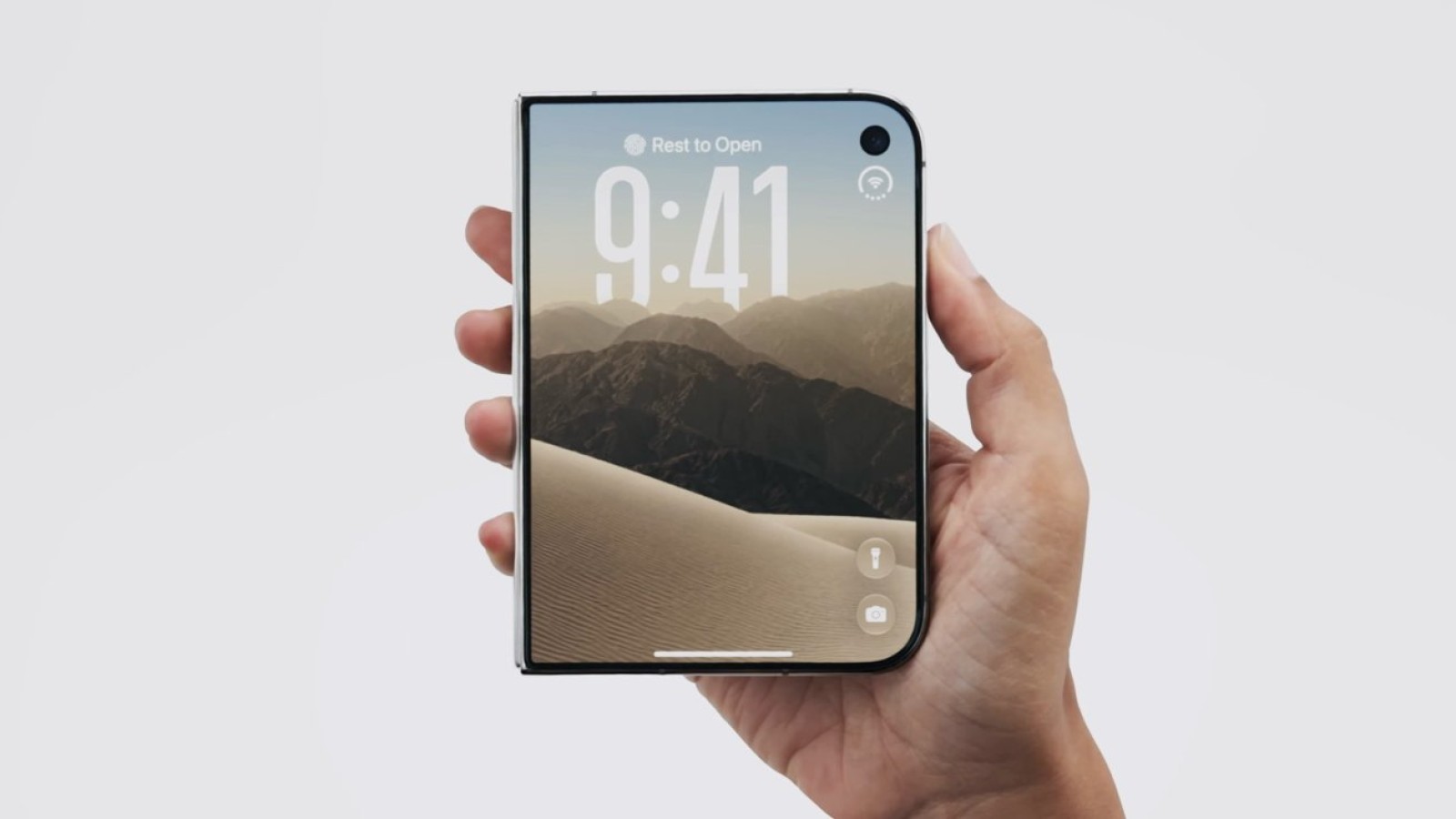
The iPhone Duo marks Apple’s first foldable device, and it arrives with a notable shift in how users unlock the handset. Rather than relying on Face ID, Apple has opted for Touch ID, with the option to authenticate automatically through an Apple Watch when the fingerprint sensor proves less convenient.
As a foldable, the iPhone Duo can be operated either opened or closed. Apple was unable to find a way to make Face ID function reliably across both use cases, which led the company to select a Touch ID sensor instead.
Why Touch ID Suits a Foldable
The advantage of Touch ID on a foldable device is its versatility. Users can authenticate regardless of whether the handset is open or closed, and whether it is facing forward or backward. This flexibility addresses the practical challenges posed by a device that changes shape depending on how it is being used.
Face ID, by contrast, would have proven difficult to implement across the varied orientations the iPhone Duo allows. The technology depends on a clear view of the user’s face, something that cannot be guaranteed when the device may be folded or turned in different directions.
Apple Watch as a Backup Method
For those who prefer the effortless experience of Face ID, Apple has built in an alternative. An Apple Watch can authenticate the iPhone Duo automatically, offering a hands-free approach for users who find Touch ID less ideal.
Face ID has long been favoured by many for the simplicity of unlocking a device simply by looking at it. While the iPhone Duo does not carry that feature forward, the combination of a fingerprint sensor and Apple Watch authentication aims to preserve a degree of convenience across the foldable’s range of positions.
Source
Image: appleinsider.com