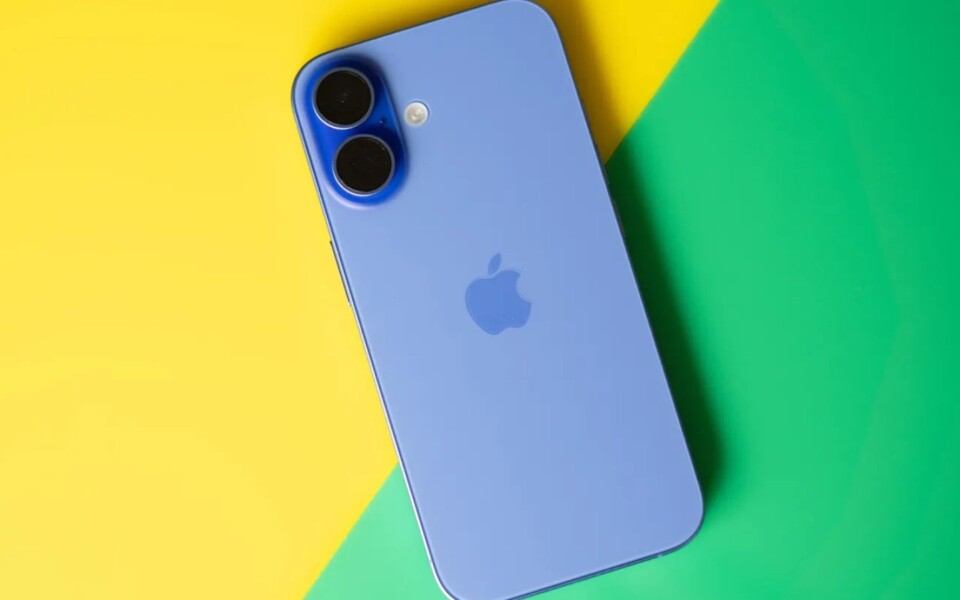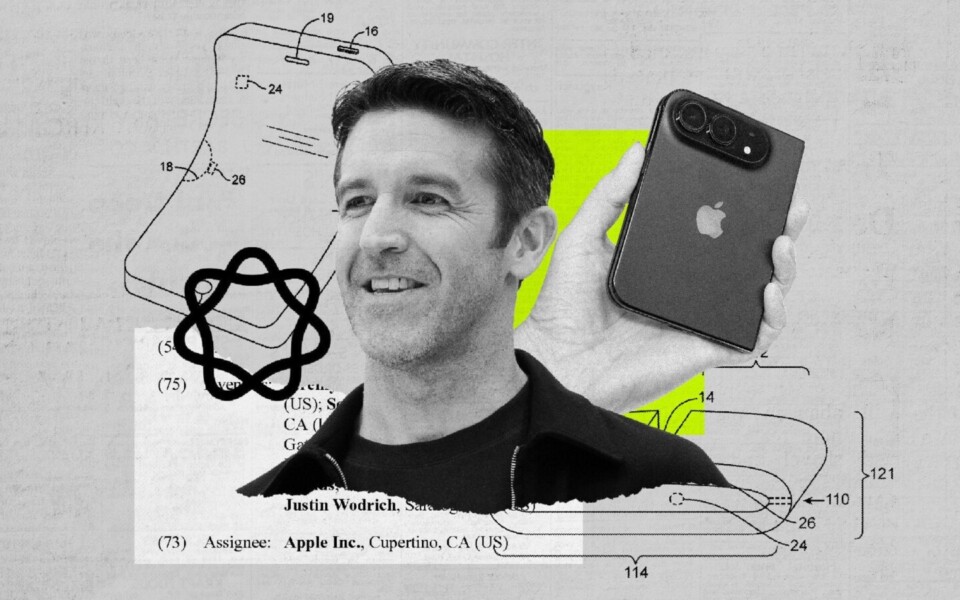

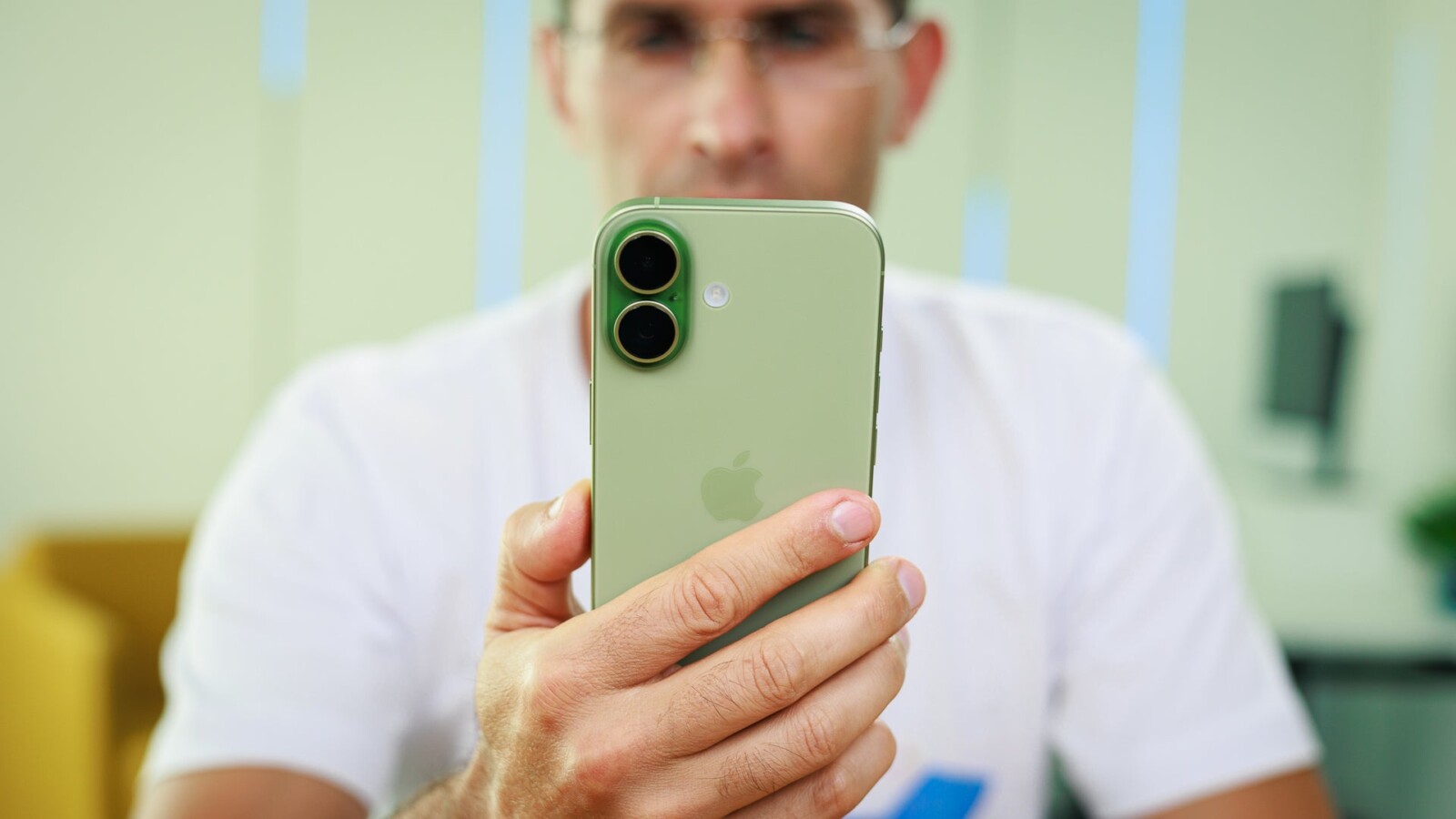
The iPhone 18 will not arrive alongside Apple’s premium models, with the standard version now expected to launch in the spring of 2026. During the recent “Surprise and shine” event, Apple unveiled the iPhone 18 Pro, iPhone 18 Pro Max, and the foldable iPhone Duo, while the base model was notably absent from the lineup.
According to widely circulated leaks, the vanilla iPhone 18 will follow next spring, launching alongside the budget iPhone 18e and the iPhone Air 2. Analysts suggest this is Apple’s strategy to smooth out its revenue stream across the year, though there may be further reasoning behind the decision.
Sidestepping a Difficult Conversation About Pricing
2026 has been a punishing period for the smartphone market, driven by soaring memory prices. Rather than releasing a new base model, Apple applied a price increase of roughly £75 to the iPhone 17 and other older handsets, even without a successor arriving.
In previous years, older base iPhones typically became cheaper once a new generation stepped in. The iPhone 16, for example, received a discount when the iPhone 17 launched. This year, however, the iPhone 17 saw a price rise instead. Given this pattern, the iPhone 18 would likely have launched with an increase exceeding £75, following the broader industry trend in which cheaper phones absorb steeper increases than premium models.
By skipping the base model’s launch, Apple avoided addressing these rises directly. The iPhone 18 Pro and Pro Max are around £75 more expensive than last year’s models, an increase of less than 10%. A potential rise of £115 to £150 for the base iPhone 18 would have been far harder to justify publicly. Delaying it left space for the premium products to shine while matching the pricing of rivals such as the Galaxy S26 Ultra and Pixel 11 Pro XL.
Base iPhone Buyers Rarely Purchase at Launch
Smartphone buyers broadly fall into two groups. The first researches extensively and buys the best possible device, and these customers are more likely to purchase an iPhone Pro at or shortly after launch, having anticipated its new features.
The second and more common group buys whatever phone is relatively new, fits their budget, and looks appealing. These buyers are less likely to notice the differences between one iPhone generation and the next, and more inclined to choose a base model. This type of purchaser rarely buys at launch.
While the standard iPhone 17 eventually became the best-selling smartphone globally, its sales built over time rather than peaking immediately at release. This pattern gives Apple room to concentrate attention on its premium models now, delaying the base iPhone 18 until spring 2026.
Source
Image: phonearena.com