

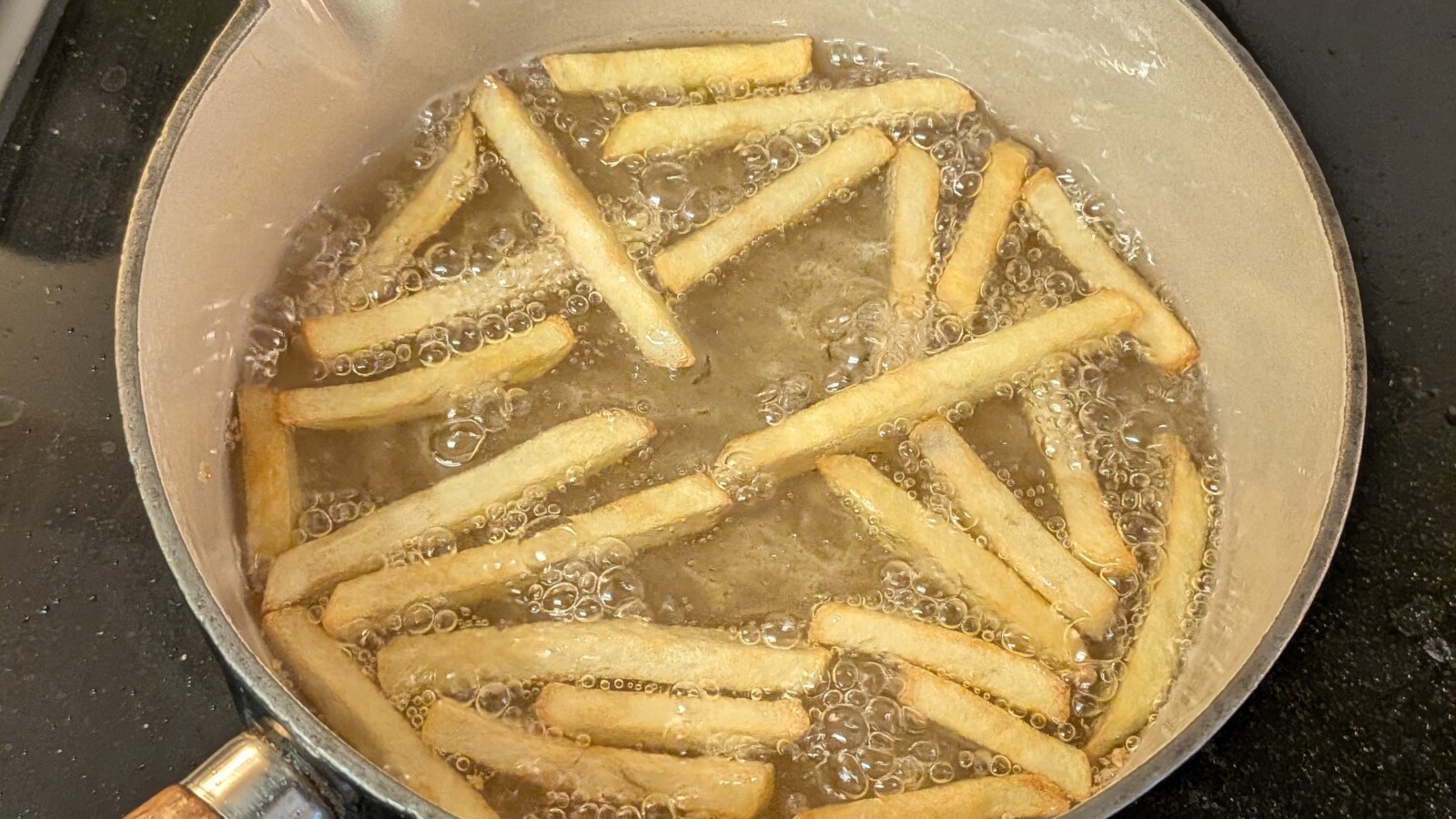
Reusing frying oil is far more practical than pouring it away, and it may be the key to making home frying worthwhile. Deep-fried foods hold obvious appeal, from doughnuts and drumsticks to bite-sized starters and every variety of potato. With the right vessel and a reliable thermometer, frying can be a quick, straightforward way to create memorable dishes. The lingering question for most home cooks is what to do with all that leftover oil.
Shallow frying can achieve similar results in many cases, yet it presents the same dilemma. Tipping oil down the sink risks clogged drains, raises environmental concerns and is ultimately wasteful. A common household approach is to collect used grease in a jar kept under the sink, then discard it once full. While this protects the plumbing and makes it easier to dispose of oil with food waste, it does not solve every problem. There is, however, a better solution.
Manage the Oil Before and During Frying
According to culinary instructor and cookbook author Melanie Underwood, oil used for frying is not a single-use ingredient, unless it has been overheated or used to fry strongly flavoured foods. Seafood warrants particular caution, but oil remains perfectly reusable provided it was not smoking.
The first step is choosing the correct oil, something neutral in flavour with a high smoke point. Vegetable oils such as canola, peanut or sunflower oil are best suited to frying. Olive oil can be trickier because of its lower smoke point, though Underwood notes she has used it without any difficulty.
Rather than judging temperature by eye or testing small pieces, use a thermometer. The correct range for frying is usually between 350 and 400F, which helps prevent the oil from smoking and avoids food with burnt exteriors and undercooked interiors. During frying, it is wise to skim out any crumbs or stray pieces, as burnt fragments will degrade the oil more quickly.
After Frying: Cool, Strain and Store
Once frying is complete, preparing the oil for future use is simple. Allow it to cool naturally to room temperature rather than speeding up the process in the refrigerator. Straining is equally uncomplicated and can be done with items already to hand, such as a fine mesh strainer, to remove residue before storage.
By following these steps, cooling, straining and storing the oil correctly, home cooks can safely reuse frying oil several times before it needs to be discarded. This approach reduces waste, avoids drain damage and makes home frying a more economical prospect. Well-managed frying oil can serve for multiple sessions, provided it has not been overheated or exposed to strongly flavoured ingredients.