
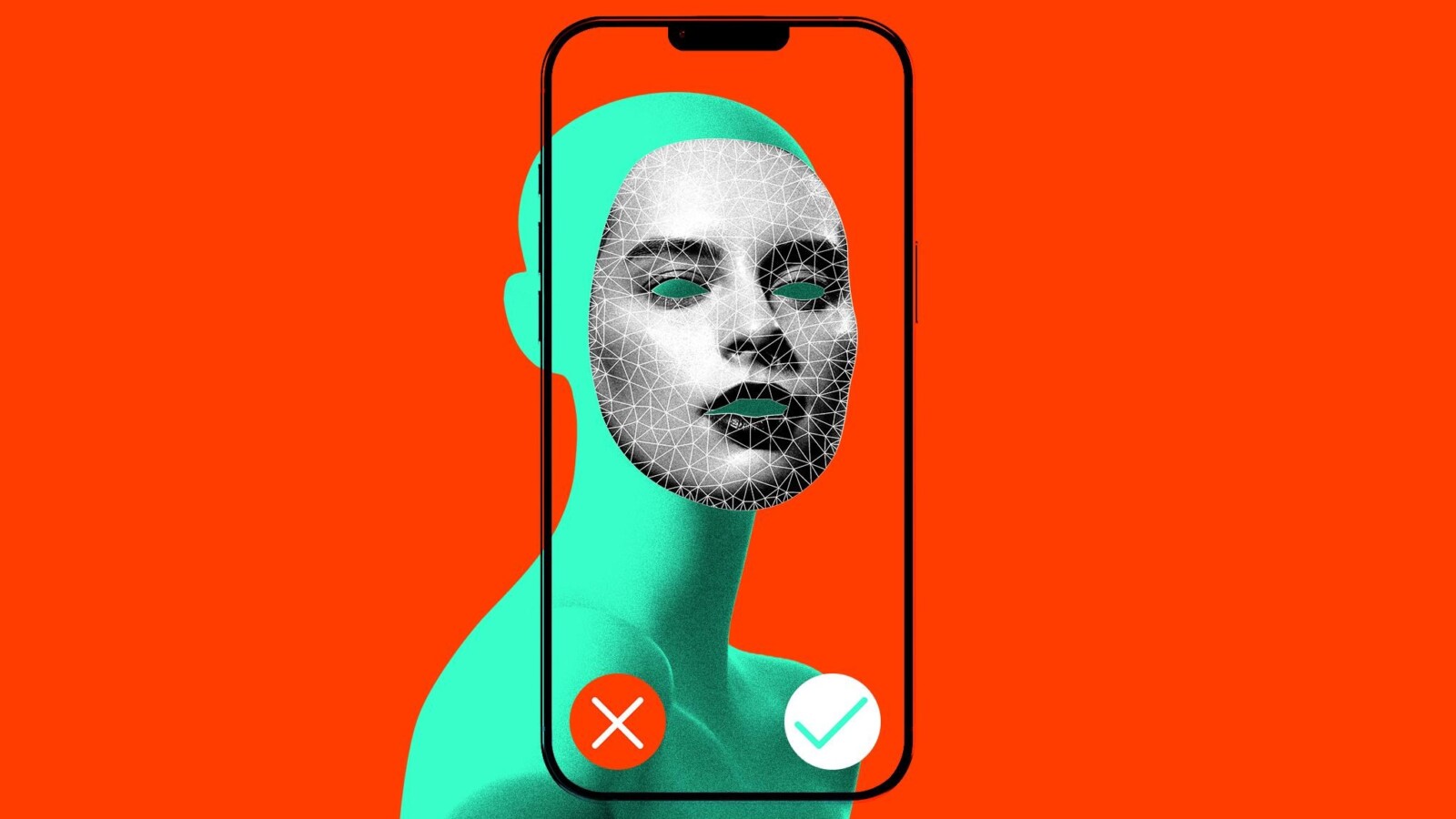
AI-powered dating app scams have emerged as a growing threat, with fraudulent platforms deploying autonomous artificial intelligence personas to deceive users into paying for connections with women who do not exist.
A security researcher analysing a fraudulent dating app called Dora received a pop-up message indicating an incoming call from a woman named Jennifer. Her profile described a 41-year-old with red hair, blue eyes and piercings, with interests including music, horror films, nightlife and sport. When the researcher answered, no person appeared in the video feed. Instead, he saw a moving tapestry, likely disturbed by a fan, accompanied by distorted background noise. After the call ended, the persona messaged to say she had enjoyed the conversation and that his voice was better than expected, despite the fact that his microphone had never been connected.
How the Scam Operates
The apps were presented as tools to help people find others to talk to, deliberately avoiding the appearance of companion apps such as Replika, where users understand the personas are artificial. Dora was described as a respectful, easy-to-use space to meet people who share your values, and in another version as a warm, simple dating app for adults seeking real connection. A separate app called Romi claimed to help users discover, connect and chat with real people, while Doni promised to help users connect with nearby singles under the tagline start real companionship.
Users, predominantly men in their mid-to-late 30s, match with profiles they believe to be genuine women. In reality, only one in four is a real person, and that individual is not a dater but a paid gig worker. These workers were hired to pass liveness checks on video or to follow social media accounts. They did not write their own comments, instead responding to messages by selecting from three pre-generated replies. Their value lay in being able to prove they were human, whereas the AI personas could only offer plausible excuses for why a video chat or call was not possible. Backend components fabricated likes, visitors and other signals of engagement.
The Discovery of the Network
On 5th June, Anthropic permitted its threat intelligence researcher Chris Cronbaugh to give a talk at a public cybersecurity conference called Sleuthcon. The company had uncovered the fraudulent dating app network after noticing unusual activity on Claude, its AI system, involving a prepaid account sending over 100,000 API requests per day.
In his talk, titled Swipe Right, Pay Up: Industrial-Scale AI Catfishing, Cronbaugh described a network of around 28 dating apps in which conversations were largely run by autonomous AI personas. The majority of chats, he said, involved no human agent at all.
Anthropic subsequently published its findings in the scams and fraud section of its report titled Detecting and countering misuse of AI: September 2026. Notably, many of the apps remained live on both major US app stores even as the company discussed the operation publicly.
Source
Image: theverge.com