
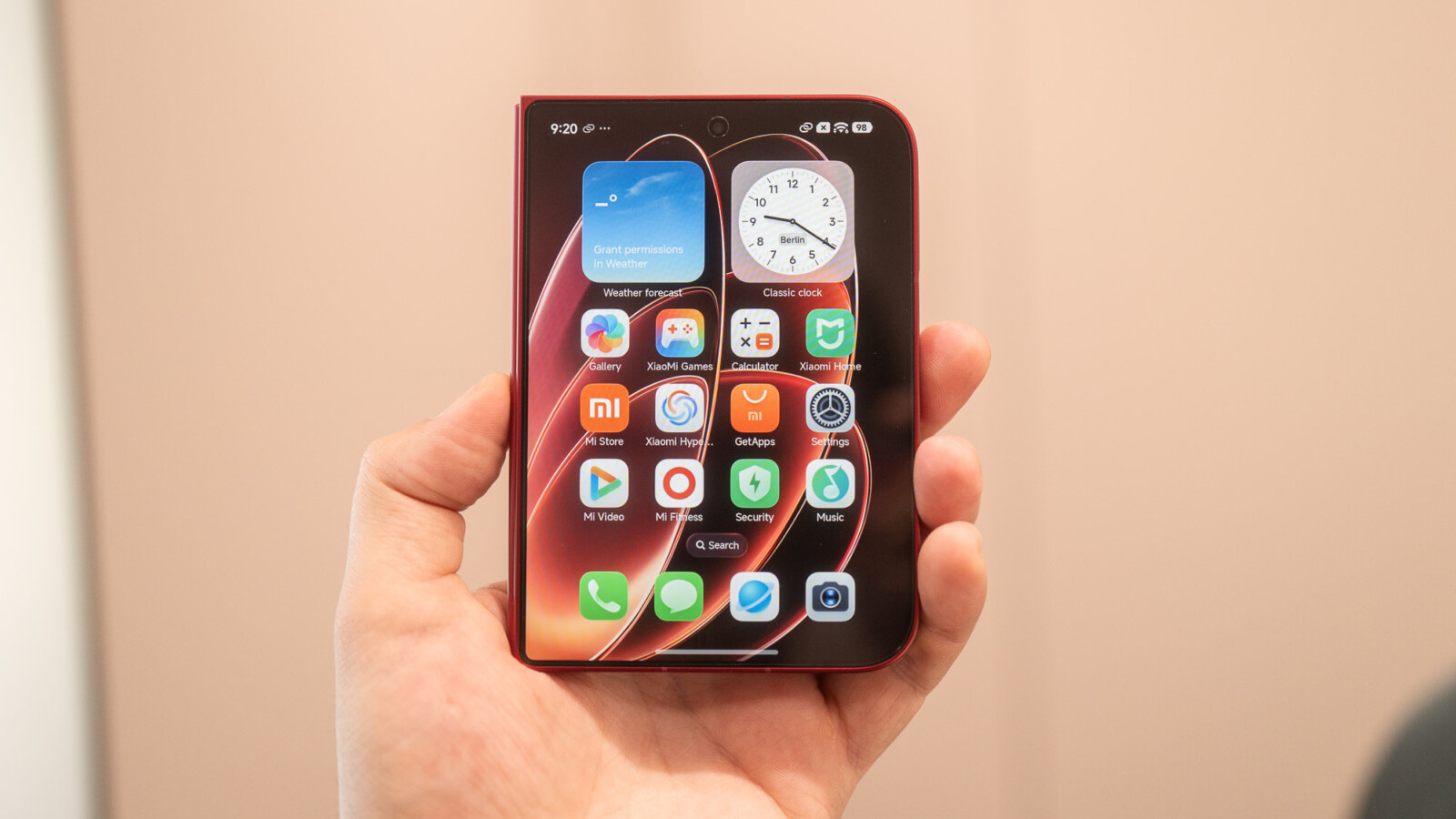
Xiaomi’s folding phone has arrived as a direct challenger to established players, positioning itself against both Apple and Samsung in the premium foldable market. The device stands out as a potential iPhone Ultra rival, offering an alternative for buyers weighing up their options in 2026.
The arrival of this handset underscores how the folding form factor continues to attract manufacturers seeking to differentiate their flagship offerings. With Xiaomi entering the fray, the competition among leading smartphone brands intensifies, giving consumers greater choice at the top end of the market.
A Direct Challenge to Apple and Samsung
Xiaomi’s entry is pitched squarely against two of the biggest names in mobile technology. By taking on both Apple and Samsung simultaneously, the company signals its ambition to be taken seriously in the high-end segment, where folding designs have become a key battleground.
Samsung has long been associated with foldable devices, while Apple’s presence in this conversation reflects growing anticipation around premium alternatives. Xiaomi’s decision to position its device against these rivals places it in demanding company, and the handset appears designed to compete on the strengths that matter most to buyers considering a folding phone.
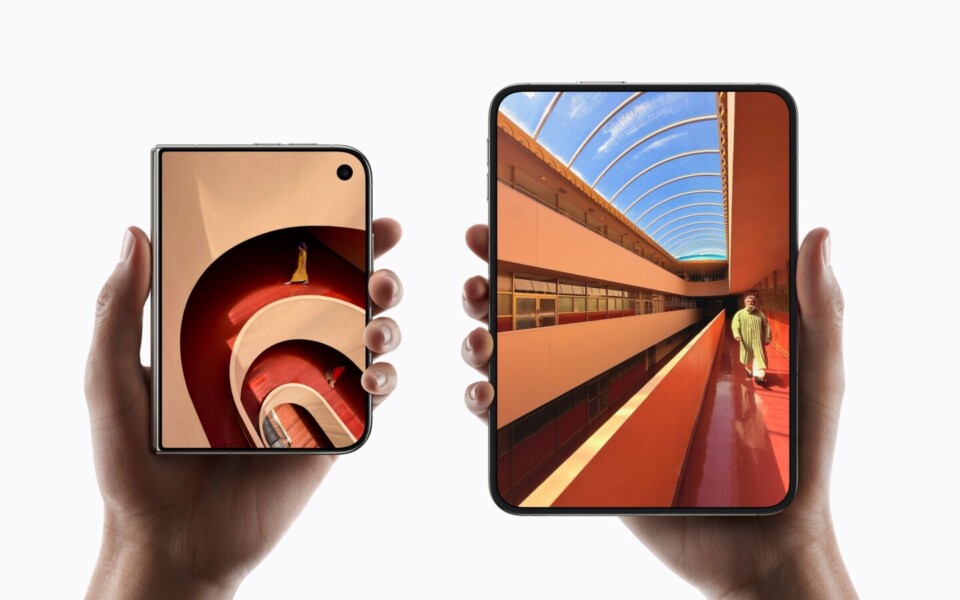
What the Folding Design Offers
The appeal of a folding phone lies in its ability to combine portability with a larger display when unfolded. This format has drawn interest from those looking for something beyond the conventional slab-style smartphone, and Xiaomi’s contribution adds another option to a category that is steadily maturing.
For prospective buyers, the availability of a further foldable from a major manufacturer widens the field. Xiaomi’s device joins an increasingly competitive line-up, reflecting the broader momentum behind folding handsets as brands continue to refine the technology and expand their ranges.
The device’s standing as a rival to premium offerings from Apple and Samsung marks Xiaomi’s clear intent to compete at the highest tier of the smartphone market in 2026.