
T-Mobile is redirecting its ambitions towards new business categories, with chief executive Srini Gopalan signalling a move away from chasing outright leadership in the postpaid market. A year after his appointment, the operator has fallen further than its main rivals, prompting a reset of priorities across the company.
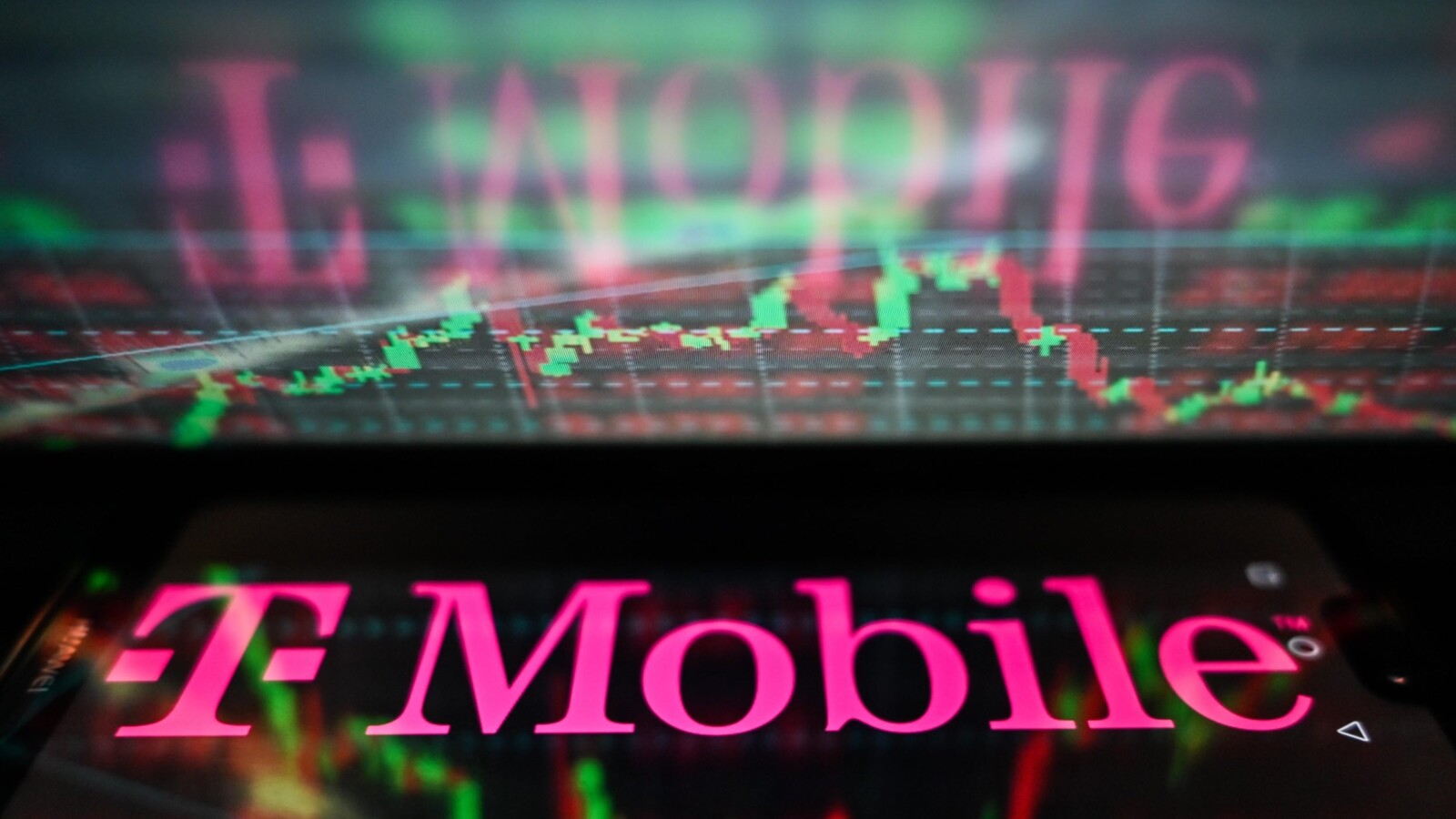
Since Gopalan became CEO, T-Mobile’s share price has dropped 25%. Over the same period, Verizon has risen 16%, while AT&T has declined 10%. Subscriber growth has slowed, and third-quarter churn is expected to increase. Despite these figures, Gopalan has said he is not managing the business according to short-term stock movements.
Speaking to media in September 2026, Gopalan explained that quarterly market reactions depend on many factors, and that creating shareholder value is central to the company’s purpose while remaining a long-term objective rather than a daily concern. That long-term view also involves changes to the senior leadership team to better reflect the firm’s new direction.
Among those changes, Jessica Uhl, formerly chief financial officer at Shell, is taking over from CFO Peter Osvaldik. Uhl brings three decades of experience leading complex organisations, scaling new ventures, and deploying emerging technologies, having most recently overseen GE Vernova’s generative AI programme.
New Priorities: Physical AI and Home Internet
With postpaid growth reaching its limit, T-Mobile is turning its attention to enterprise clients and home broadband users. Gopalan placed particular emphasis on physical AI, a branch of artificial intelligence that interacts with the real world through robots, autonomous machines, and cameras that depend on real-time decision-making. The company has long argued that telecoms networks are essential to such solutions, which cannot rely on distant data centres alone.
Gopalan stated that physical AI is not feasible without a wireless network connecting it, and that the technology will help the operator expand its business connectivity portfolio.
Home internet is another growth area. T-Mobile has gone from no customers to roughly 10 million households in just four years. The firm is now targeting the 60 million broadband customers served by cable operators, as it makes fibre and 5G internet available in more locations.
The CEO again dismissed satellite rival Starlink, arguing that customers do not want to pay an additional £8 for satellite connectivity, and suggested this feature will eventually become a standard expectation of cellular service rather than a genuine differentiator. He declined to confirm or deny a possible merger with Deutsche Telekom.
A Maturing Postpaid Market
The postpaid market has matured, and growth has proven difficult without affecting Average Revenue Per Account and postpaid service revenue, as Verizon has shown. While T-Mobile remains cheaper overall than AT&T and Verizon, its lowest-cost plan is priced above the entry-level offerings from both rivals. Around 60% of the operator’s new customers choose premium plans.
Source
Image: phonearena.com