
The Relay Q is a new AI microphone that aims to bring voice-first computing closer to reality, offering a fresh alternative to keyboards and touchscreens. Unveiled at IFA in Berlin, the device was created by a team of former staff from British tech startup Nothing, and it represents a notable entry into the growing category of standalone AI devices.
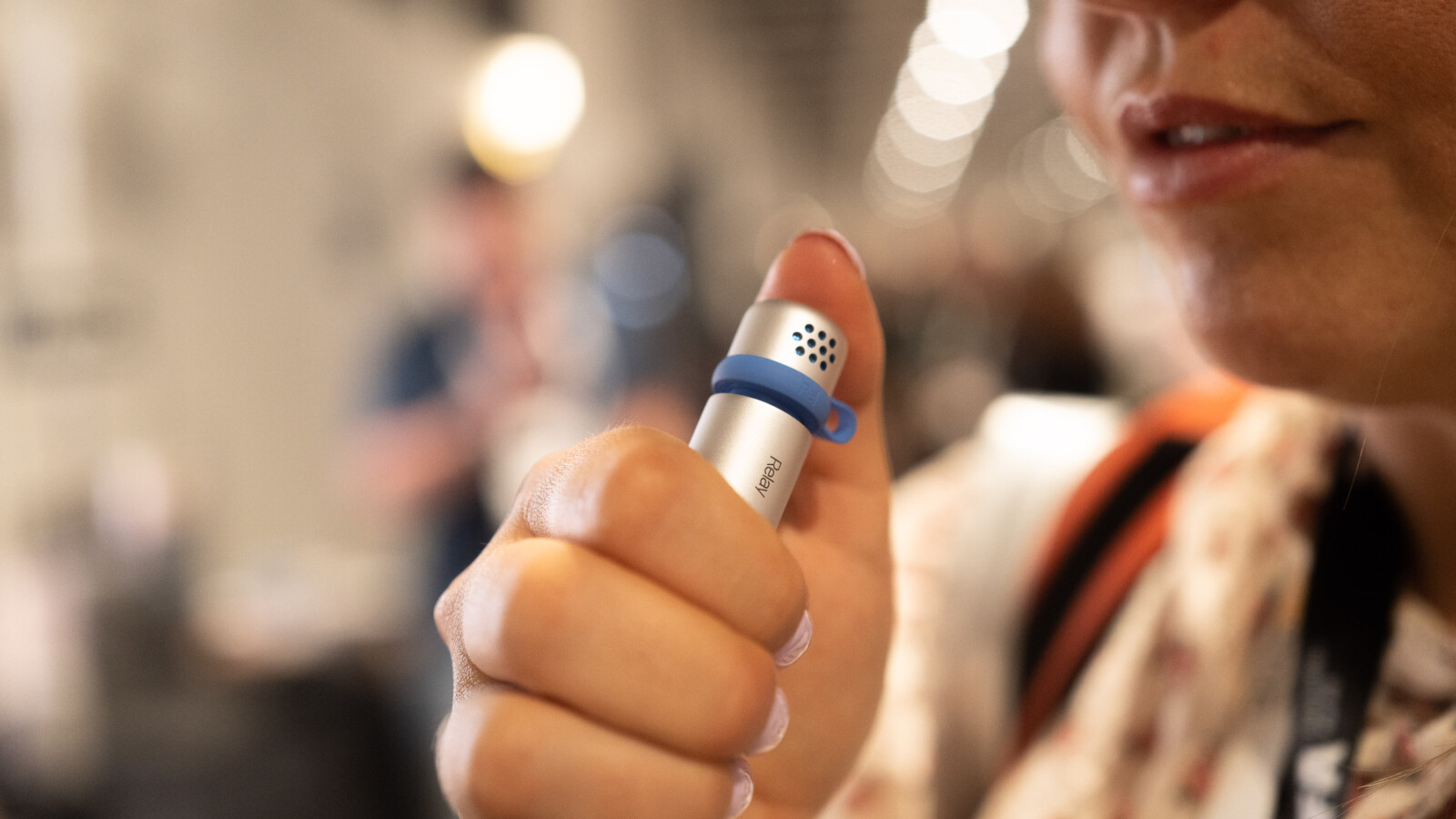
About the size of a small lighter, the Relay Q sits comfortably in the hand and acts as a bridge between your voice and your computer. Holding down the tip captures whisper-level audio, allowing users to dictate quietly or issue voice commands in a shared office without disturbing others. A double-click on the top of the device presses Enter or Send.
Design and wearable functionality
The tactile experience of the device is one of its standout features. The team’s background at Nothing, where they helped design widely admired audio and mobile products, is reflected in the attention paid to how the hardware looks and feels. The press-to-speak button offers a soft yet responsive action when held down to talk.
The Relay Q is available in two dual-colour tones: silver and electric blue, and baby blue and orange for a more playful look. The tip of the device also slides off to become a subtle wearable pin, which clings to a collar using a built-in magnet and keeps the microphone close to the face. In wearable mode, the microphone can be activated by pressing and holding the top of the main module or by using a MagSafe remote, which is sold separately and attaches to the back of an iPhone.
Powered by Google Gemini
The Relay Q serves as the gateway to Relay’s AI desktop software, which is powered by Google Gemini. The software currently runs on macOS only, with Windows and Android compatibility planned for later. Users must grant the app access to their other applications so it can carry out spoken commands issued through the microphone.
In a demonstration, a whispered request to draft an email prompted Gmail to open and produce an invitation on screen. It is one of many tasks the AI agent is designed to perform. The software also includes personalisation options, allowing users to provide specific instructions about their writing preferences so the AI can reflect them in its own writing style.
The device points towards a future in which speech-to-text handles longer drafts and everyday computing tasks, reducing reliance on typing. The Relay Q’s AI desktop software is available on macOS, with support for additional platforms to follow.