
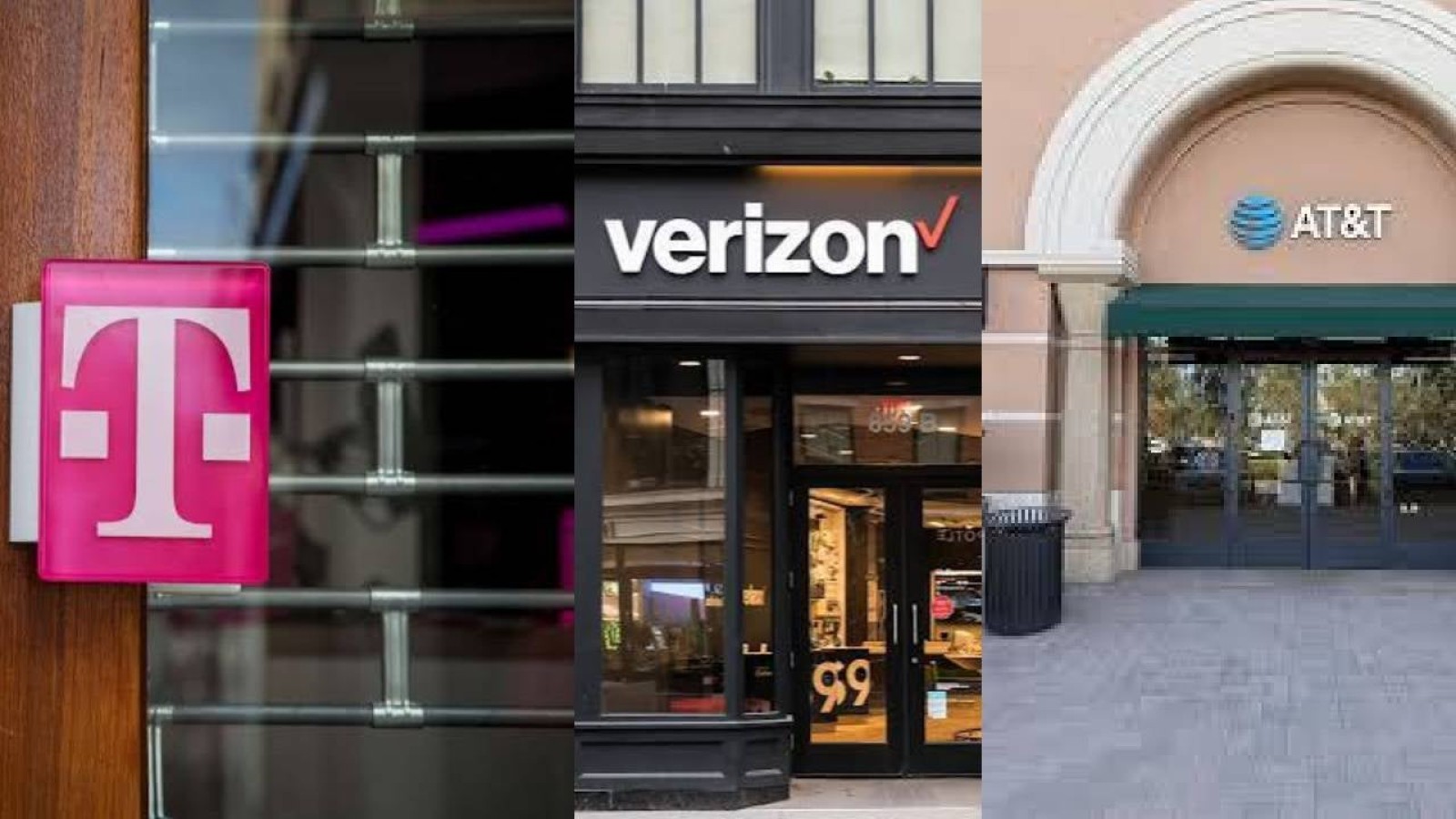
T-Mobile is embedding artificial intelligence deeper into its network, moving faster than rivals AT&T and Verizon, which are taking a more cautious stance. While all three carriers are integrating AI in some form, T-Mobile is applying the technology not only to customer service but to core network performance in ways designed to benefit everyday subscribers.
The carrier is deploying Nokia’s AI-RAN equipment, technology that integrates AI into the Radio Access Network, the layer that links devices to the core network. T-Mobile expects the equipment to reach 50% spectral efficiency by the end of 2027, scaling to 100% by the end of 2028.
A more efficient network
The improvements are already visible in live testing rather than remaining a distant concept. Ankur Kapoor, T-Mobile’s Executive Vice President and Chief Network Officer, reported 10% spectral efficiency gains and 15% higher downlink speeds during live-site trials, with some demonstrations exceeding 30%. That allows the company to extract more capacity from the spectrum it already holds, an efficiency described as impossible only a few years ago.
Spectrum remains the carrier’s most valuable asset, and the gains translate directly into more capacity and faster speeds for fixed wireless access (FWA) and 5G Home Internet customers.
AI-RAN applications frequently rely on power-hungry GPUs for high-performance computing, which raises operational expenses. T-Mobile has signalled it is comfortable absorbing that additional overhead provided customers see a noticeably better experience. Kapoor indicated that decisions will be driven by customer benefits rather than by how much power the infrastructure consumes.
Where AT&T and Verizon stand
T-Mobile’s rivals appear to still be refining their approaches. Verizon Chief Technology Officer Yago Tenorio agrees that placing GPUs at the network edge suits certain niche use cases, but he remains sceptical about using them for AI inferencing to lift network performance. In his view, CPUs handle those tasks adequately today, and adding GPUs to the radio would not improve the end-user experience.
Tenorio noted that running the RAN itself does not require a GPU, and that AI can be embedded into a CPU to improve radio performance without dedicated graphics hardware. He framed edge GPU deployment and network-performance AI as two distinct questions.
AT&T, meanwhile, defines AI-RAN as any system that uses AI for troubleshooting and network optimisation. Its choice between CPUs and GPUs depends on the specific performance requirements of each task.
T-Mobile expects its Nokia AI-RAN deployment to reach 100% spectral efficiency by the end of 2028.
Source
Image: phonearena.com