
Smart locks are one of the most practical entry points into home security technology, and they can benefit almost anyone with a front door. Despite their growing popularity, many people remain unsure about what a smart lock is, how it works and why it is worth the investment.
A smart lock is a natural first step into connected home technology, sitting alongside devices such as the video doorbell. For those who want to keep things simple, it can also be the only smart device they ever install.
How a smart lock works
A smart lock replaces the standard deadbolt found on most front doors in residential buildings, as well as many other interior and exterior doors. Some models replace the deadbolt entirely, which typically allows for extra features such as keypads and fingerprint readers. Other models replace only the indoor thumb turn, the knob used to move the deadbolt. This style is known as a retrofit, and it is often cheaper and easier to fit. In either case, the door handle beneath the lock is usually left untouched.
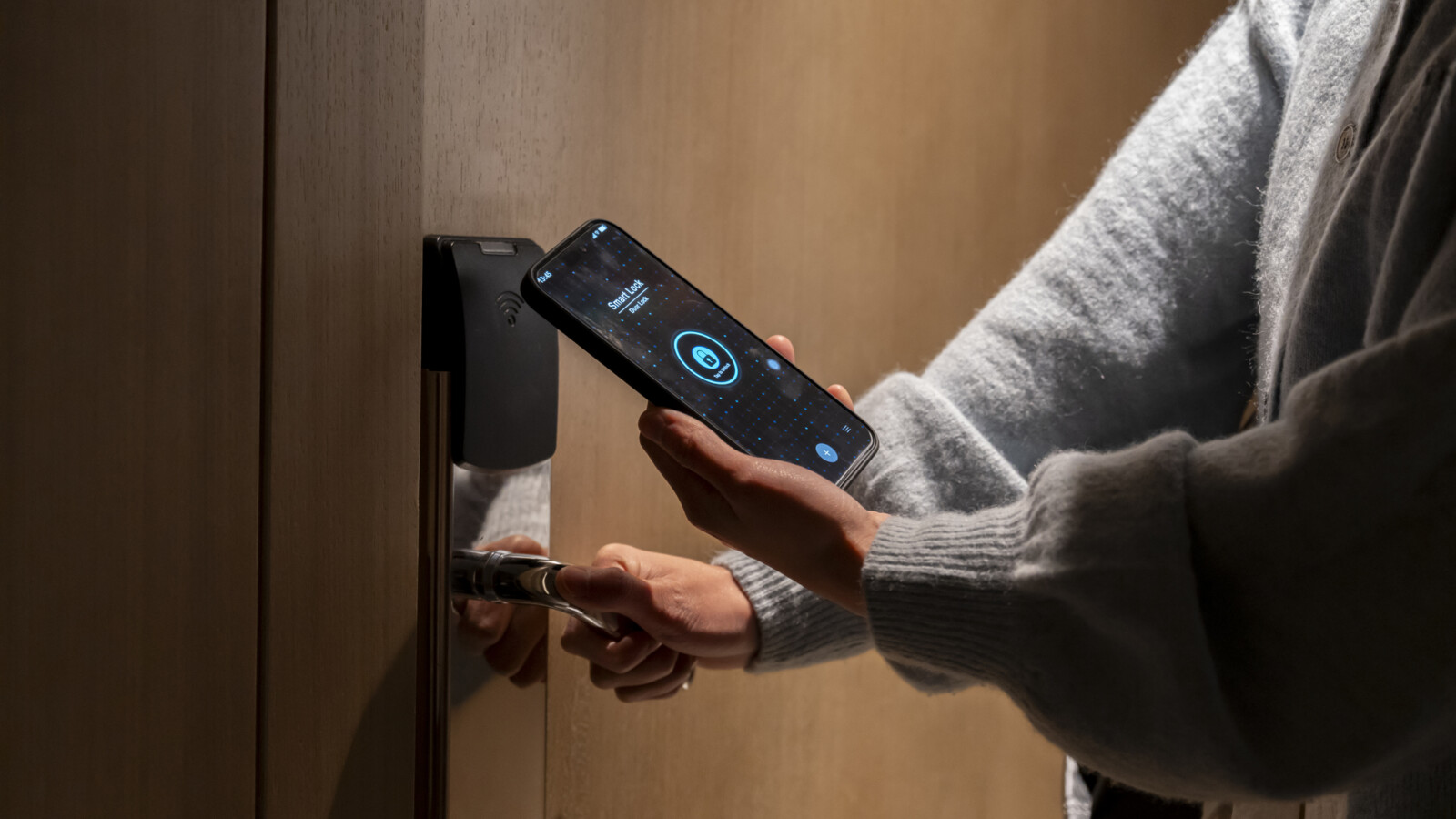
Once installed, the smart lock connects to your Wi-Fi router and can be controlled from your phone through a companion app. This lets you operate the lock remotely from anywhere with an internet connection, whether you are at work or on holiday.
With remote locking and unlocking, you do not need to be at home to let in a pet sitter or a guest. Most apps also allow you to create temporary passcodes or digital passkeys for visitors, which grant access and then delete automatically once the set period ends.
These locks can also send alerts to your phone, notifying you when the door is locked or unlocked. You can review a full history of activity in the app, or set the door to lock automatically after a certain amount of time, so a door is never left unsecured. Such features are also useful for keeping track of a family member in an aging-in-place situation.
Smart lock access methods
One of the strongest advantages of smart locks is the range of access methods they offer, several of which may suit daily life better than a traditional key.
Most locks provide app controls and can detect when an authenticated mobile device is nearby, unlocking automatically with a swipe. This is becoming easier and more widespread thanks to the Aliro protocol, established this year, which helps smart locks connect to digital wallets from Google, Apple, Samsung and others that many people already use. This makes managing access credentials straightforward.
Other locks focus on fingerprint scanners, a biometric option that has proven highly accurate and fast in testing. Adding a family member’s fingerprint typically takes only a couple of minutes, after which entry is granted with a single touch.