
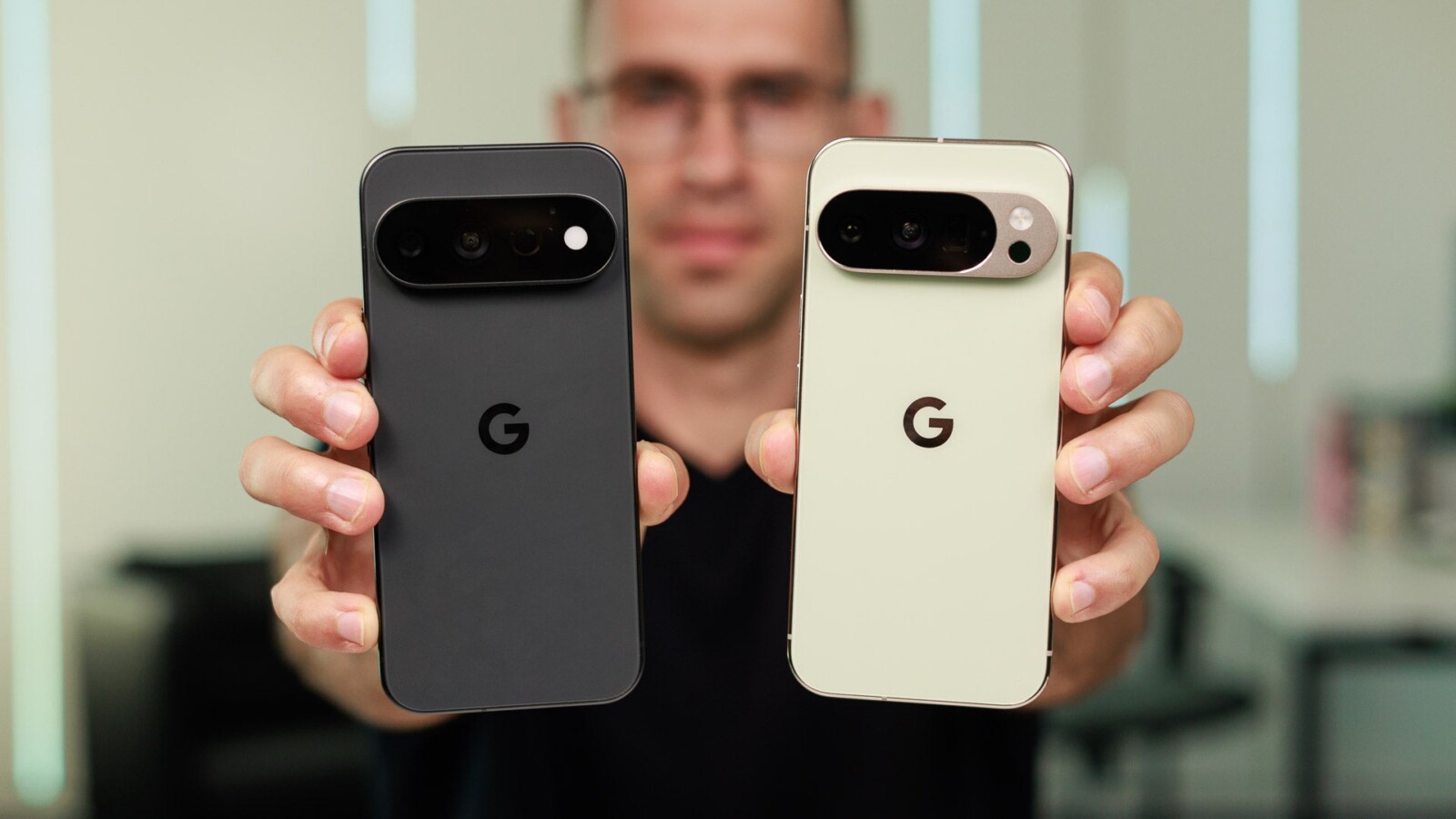
The Pixel 11 Pro is Google’s new compact flagship for 2026, and it arrives with a focus on camera upgrades, a brighter display and a faster chipset, while retaining much of the styling and battery performance of its predecessor. This comparison looks at what has genuinely changed against the Pixel 10 Pro.
Both handsets were used for at least a week, alongside proprietary battery and camera testing protocols and dozens of photos and videos taken side by side to assess real-world performance.
Design and Display
Setting aside the new colour options, the Pixel 11 Pro is difficult to distinguish from the Pixel 10 Pro. Both feature rounded corners, flat sides and a similar horizontal camera bar. The Pixel 11 Pro weighs 204 grams, matching the previous generation.
The most notable design addition is HiLight, an array of eight LED lights arranged in a circle around the flash. They illuminate when Gemini is in use or when a call comes in, though that is currently the extent of their function. Google has indicated it plans to expand HiLight to support notifications from third-party apps in the future.
The display has been improved, with peak brightness rising to 3,600 nits, up from 3,000 nits on the Pixel 10 Pro. Scratch resistance has also been doubled compared with the earlier model.
Performance, Camera and Battery
Under the bonnet, the Pixel 11 Pro runs a slightly faster Tensor G6 chipset, replacing the Tensor G5 found in the Pixel 10 Pro. Owing to the ongoing RAM shortage, however, the Pixel 11 Pro actually ships with less RAM than its predecessor.
The camera system remains a triple rear arrangement, but the Pixel 11 Pro introduces a new 5X telephoto with a larger sensor, aimed at improving zoom performance. This is the central area of change between the two generations.
Battery capacity is practically unchanged, with the Pixel 11 Pro carrying a 4,850mAh cell against the 4,870mAh unit in the Pixel 10 Pro. Charging speed and overall design language carry over as well.
Pricing and Availability
The Pixel 11 Pro starts at around £880, with 256GB of storage in the base model. The Pixel 10 Pro launched from approximately £800 with 128GB of storage, meaning the new model costs more while offering double the base storage.
A larger option is also available in the form of the Pixel 11 Pro XL, which features a 6.8-inch display for those who prefer more screen area. Both new models are available at full price through Amazon.
Source
Image: phonearena.com