

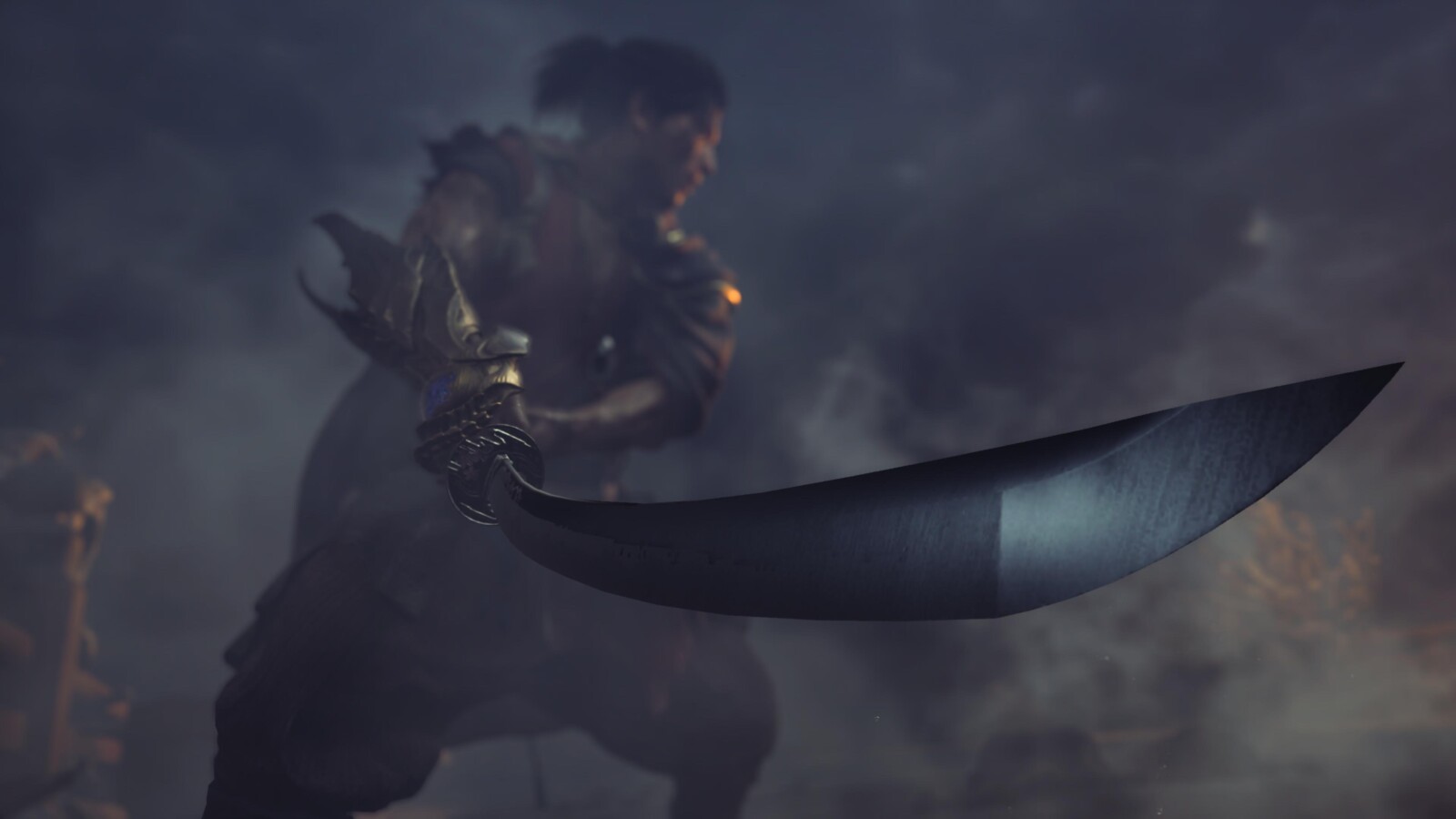
Onimusha: Way of the Sword marks the return of a franchise that has been dormant for nearly two decades. When the series last appeared, action-arcade titles dominated the market. It re-emerges into a landscape shaped by parry-precise Soulslikes, and the new instalment attempts to bridge those two eras with a world of demons to defeat through precision-timed swordplay that should appeal to Elden Ring enthusiasts.
The result leans towards success, offering largely satisfying swordfighting that tolerates frantic button-mashing during hectic moments while rewarding, and frequently demanding, careful timing. As the game progresses, however, repetition and some frustrating boss design begin to wear on the experience. Approaching demonic foes and expertly deflecting their attacks before cutting them down is engaging, but running through the same encounter repeatedly against the most basic enemies, while moving between similar tasks, grows tiresome.
A Fantastical Retelling of Historical Figures
Amid the renewed interest in games set in feudal Japan, from Sekiro: Shadows Die Twice to Assassin’s Creed: Shadows and Ghost of Yotei, this title stands apart through its fantastical reimagining of real historical figures. Players take on the role of the legendary swordsman Miyamoto Musashi, depicted here in his younger, uncouth years. Skilled with the blade but coarse in manner, he believes in strength above all else. An untimely death at the hands of demons, followed by rebirth through the series’ iconic soul-gathering Oni gauntlet, draws Musashi into a battle against the demon horde threatening the human world.
Several characters push the solitary Musashi to soften his rough edges. Shizuka, the elegant Oni trapped within his gauntlet, and Takamura, a wise warrior wielding his own spirit gauntlet, both feature prominently, alongside Okuni, a nimble kabuki dancer avenging her troupe. The ghost of the celebrated Japanese author Murasaki Shikibu sends Musashi to resolve the problems of the peasantry, gathering material for her tales and rescuing her story-carrying spirit hounds, which rounds out the early cast.
The Pursuit of Yoshitsune and a Dark Rival
Much of the plot follows Musashi’s pursuit of the famous samurai general Minamoto no Yoshitsune, who has seized control of Hell with his demon Genma army and sent them rampaging across Japan. It is Yoshitsune who revives the young swordsman with an Oni gauntlet, and he does the same for Ganryu, a self-declared rival who becomes unstably enamoured with his gauntlet’s power.
Ganryu serves as a dark mirror to Musashi in the quest for strength, while the hero is tempered by the nobler influence of his new companions. In one tense scene, as Musashi is tempted towards Ganryu’s darker path, Takamura reminds him of the Buddhist notion that life is full of suffering, yet embracing the challenge is worthwhile. This idea functions as a thesis for the game, reflected in the effort required to f