
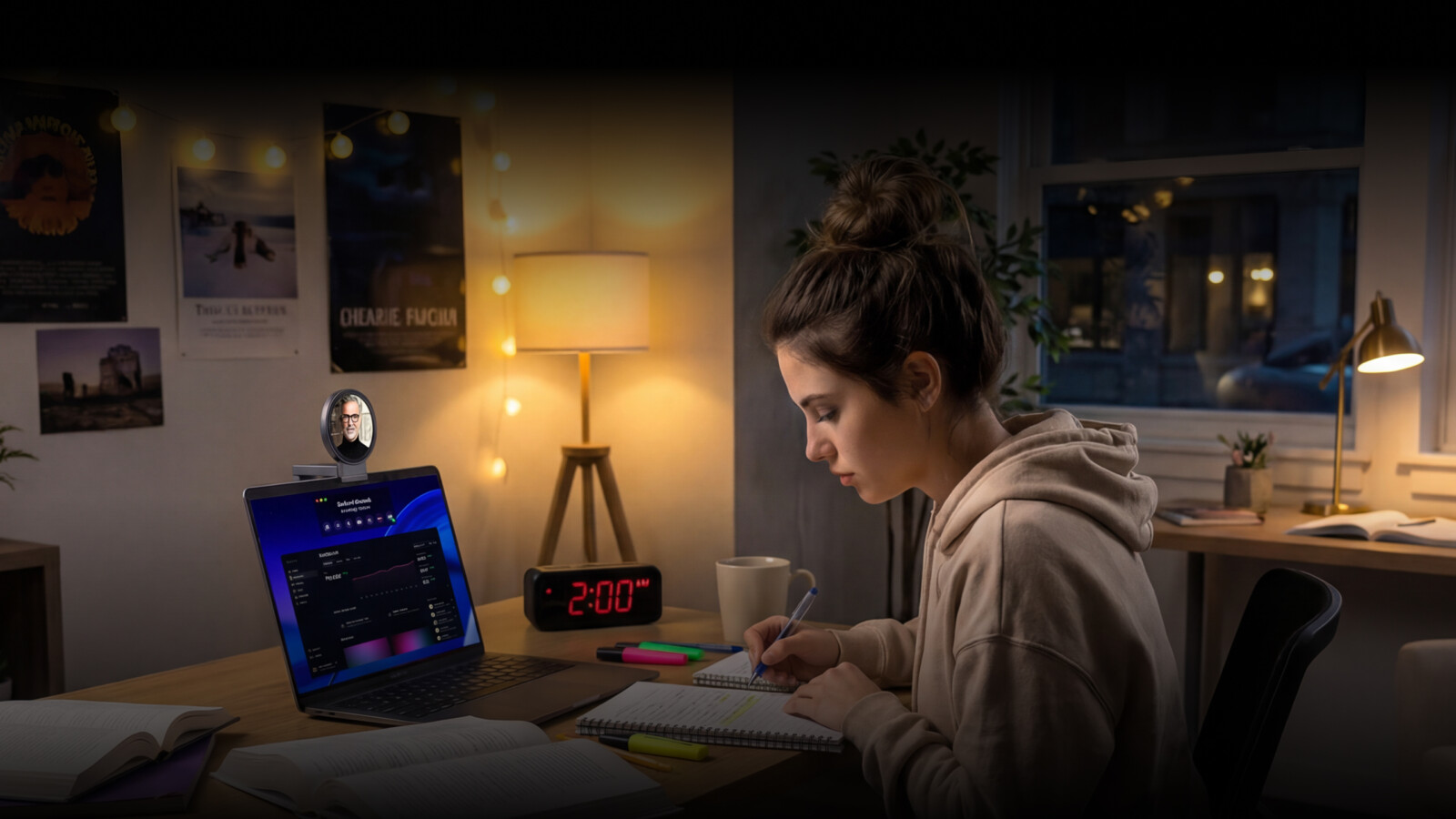
Napster is moving into education, planning to use artificial intelligence to create what it describes as “digital twins” of teachers capable of answering pupils’ questions outside school hours. The former music-streaming pioneer, now operating as an AI company, has set its sights on providing round-the-clock academic assistance through digital avatars.
Last week, Napster announced a partnership with the United Arab Emirates’ GEMS Education, one of the largest private K-12 school operators in the Middle East. The collaboration includes plans to develop and test digital teacher personas designed to offer multilingual, 24/7 support for students.
How the digital teacher programme works
The initiative would be based on Napster Learn, which relies on a clip-on AI assistant called Napster View to interact with users. The programme aims to roll out across GEMS schools in the Middle East by the end of 2026, following the introduction of an AI curriculum in the UAE earlier this month.
According to the company, guardrails and safety protocols will be built into the design, with the intention of keeping “humans informed and able to intervene if necessary”.
Concerns surrounding AI in classrooms
The partnership is likely to raise questions. It is conceivable that schools could use 24/7 digital avatars as a justification to cut staff or reduce pay. AI models are also known for producing incorrect facts and unusual hallucinations, meaning a digital teacher could spread misinformation to students in multiple languages before anyone identifies the error. There are further concerns that the plan could form part of a broader trend towards replacing human interaction with computers.
Some international policy proposals, including a recent Chinese proposal on AI companions, specifically warn against technology that risks making children emotionally dependent on artificial characters rather than real people.
Napster, first a file-sharing app and later a streaming service, was acquired in 2025 by tech startup Infinite Reality, a firm specialising in VR and AI.