
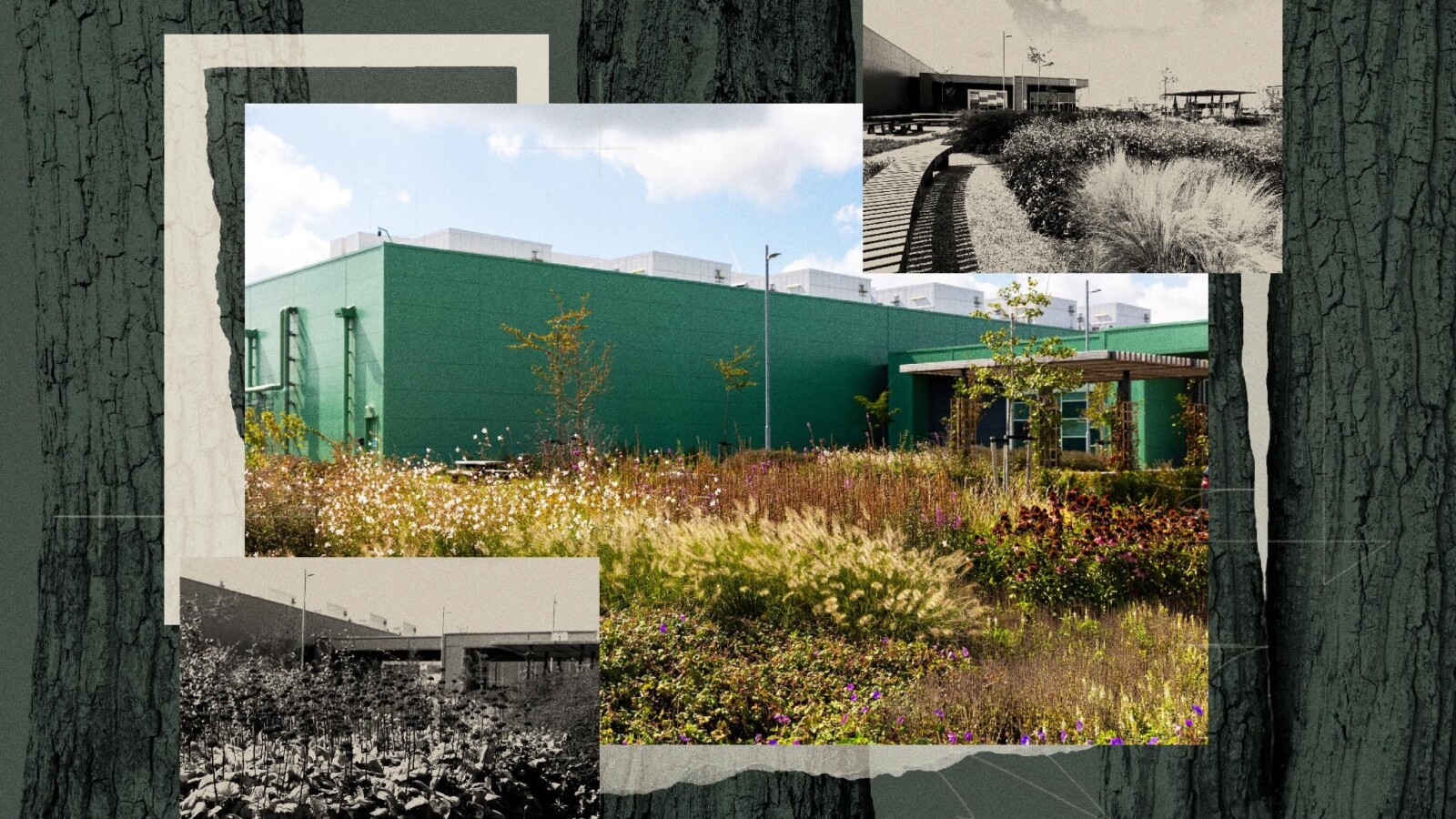
Microsoft data centres are at the centre of a new design strategy intended to make the facilities less jarring to the communities and natural environments that surround them. The company has announced plans to apply what it describes as biomimicry, blending its data centres into the natural landscape in an effort to create resilient ecosystems, support biodiversity and strengthen community ties.
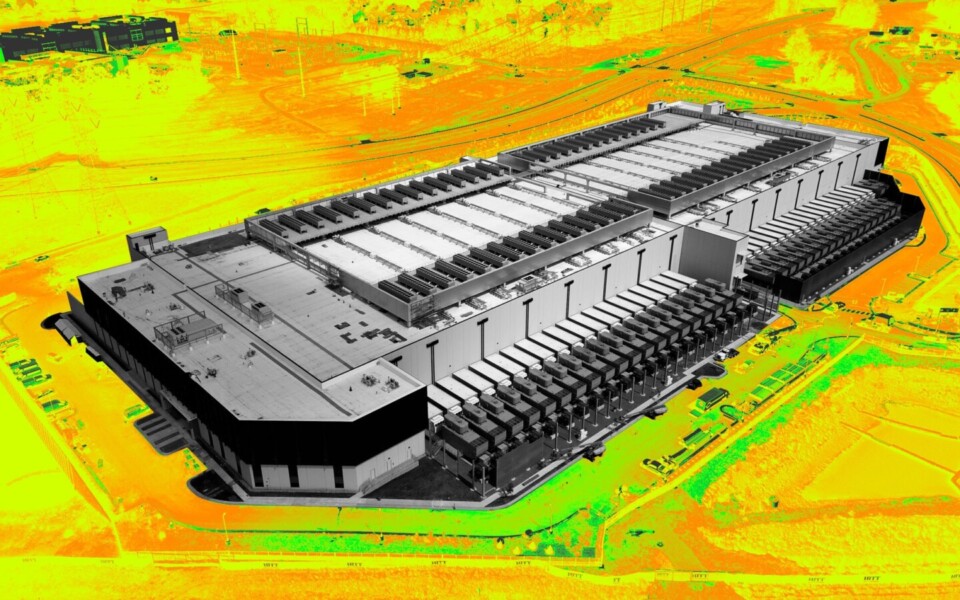
The shift comes as data centres have grown dramatically in scale. In San Antonio, city councilmember Ric Galvan recalls when the facilities first appeared in the 2000s as relatively unassuming office buildings. In recent years they have expanded into massive hyperscale sites spanning millions of square feet and housing the physical infrastructure for AI. There are now more than a dozen data centres in Galvan’s roughly 55-square-mile district, a number he expects to rise to around 20 over the coming years if proposed projects go ahead.
These facilities are clustered along two main roads, concentrating disruption in the same neighbourhoods. Residents have reported traffic and the loss of trees during construction, followed by constant bright lights and noise once a data centre is operating. Much of the area was once green fields, allowing many residents to feel close to nature, a feeling Galvan says disappears quickly once a large data centre is built.
What Biomimicry Means for Data Centres
Biomimicry is a broad term covering the many ways technologies take inspiration from nature, from needles that imitate a mosquito’s proboscis to naturally ventilated buildings modelled on termite mounds. In Microsoft’s case, it means making its data centres literally greener, adding more gardens and native trees on-site. The company is also promising to invest in projects that repair damaged ecosystems where it operates data centres.
Microsoft believes these efforts will limit problems its facilities have caused for neighbours, including noise pollution and the loss of green space. The approach is part of a wider attempt to set itself apart from rivals by engaging more closely with the communities where it builds, a strategy that has eased some local concerns.
Community and Environmental Concerns Persist
Across the United States, a growing number of communities are objecting to large data warehouses, protesting about their potential effects on quality of life, pollution, water and electricity bills. Technology companies have responded with promises to mitigate harm by funding infrastructure upgrades needed in local water and power systems.
Even so, data centres are expanding so quickly that thousands of trees have been cleared, while Microsoft’s greenhouse gas emissions are rising alongside the energy demands of AI. Advocates and residents living near these sites want the company to do more to limit its broader impact. Galvan says the measures are acceptable provided operators genuinely address concerns residents have raised for years around pollution and water use.
Source
Image: theverge.com