
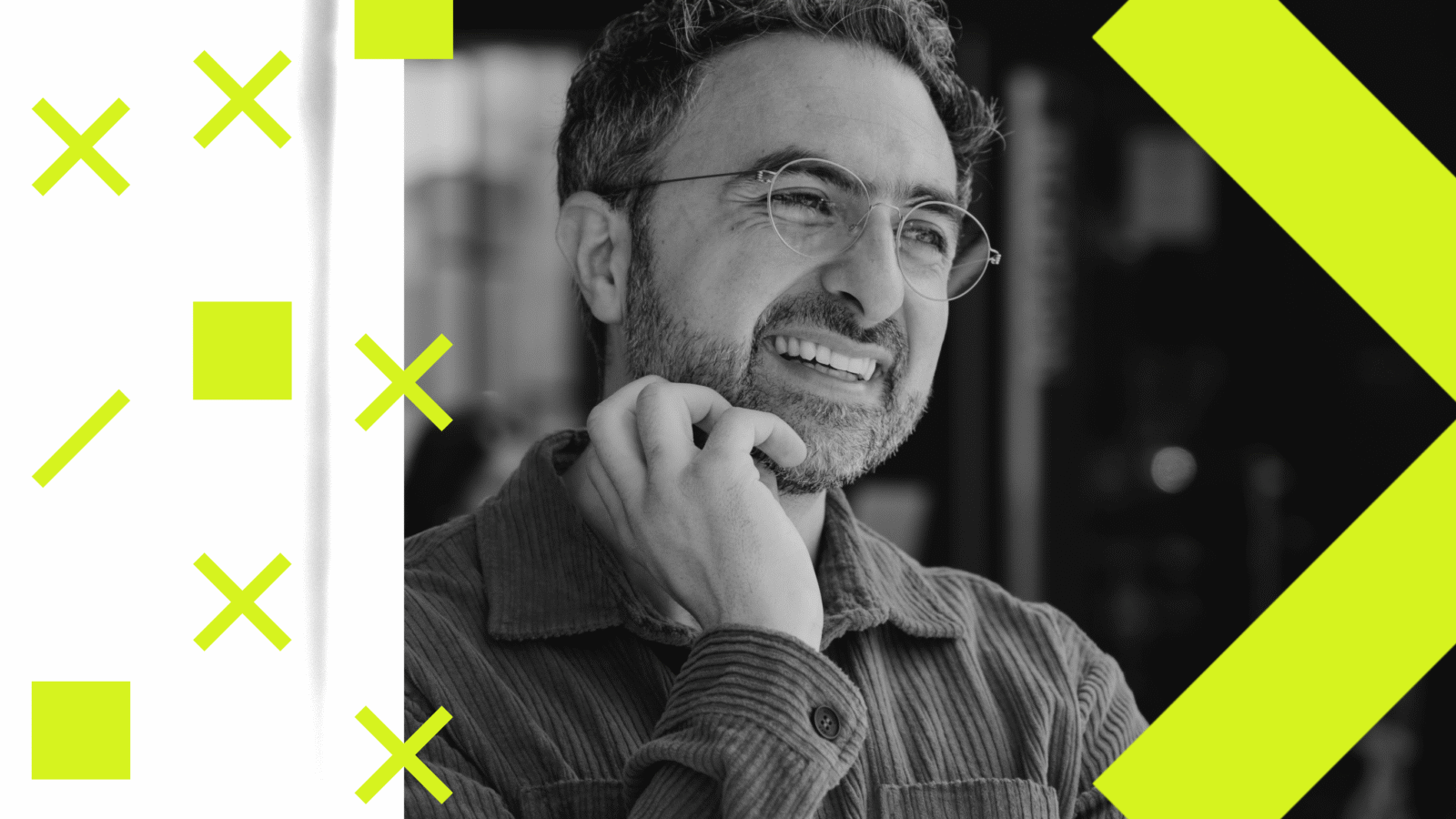
Microsoft AI chief executive Mustafa Suleyman has said that the risks associated with artificial intelligence are genuine, entering directly into the widening debate over AI safety and regulation. His remarks come as the company sets out a detailed framework for how it believes the technology should be built and governed.
Microsoft has published a 37-page document titled the Humanist AI Code of Conduct, which lays out the company’s principles for AI development. The statement addresses a range of contentious issues, including the company’s philosophy on AI consciousness, and forms part of a broader effort to define its stance amid intensifying industry discussion.
Concerns Over Model Welfare and AI Consciousness
Suleyman has been openly critical of the direction taken by rival firms on the question of so-called model welfare. He has argued that companies including Anthropic have become confused about the concept in ways he considers potentially dangerous. Alongside the wider code of conduct, he published a separate essay specifically challenging Anthropic’s approach to AI consciousness and how it relates to the broader alignment discussion.
The debate touches on foundational questions about how AI systems should be designed to behave. The prevailing framework, known as alignment, aims to ensure that models act appropriately in some intrinsic way. Discussion around alignment and misalignment has grown, alongside questions about whether the approach is sufficient on its own, or whether it represents the wrong path entirely.
Containment and the Spread of Technology
Suleyman noted that he wrote about the idea of containment several years ago, arguing that containment is not possible and that the proliferation of technology is inevitable. He characterised this spread as beneficial in the overwhelming majority of cases, on the basis that technologies should reach as many people as possible so that the benefits are widely shared.
He also pointed to the pace of change in AI capability. Drawing a comparison across successive generations of large language models, he highlighted the scale of the leap from earlier systems to current ones, and the further advances anticipated as the technology continues to develop. According to Suleyman, short-term disagreements often dominate the conversation, while the longer trajectory of the technology is where the more significant shifts occur.
The comments arrive at a moment when questions of AI safety, regulation and the responsibilities of major developers are increasingly prominent across the sector. Microsoft’s published framework sets out its position on these matters, including its views on regulation, safety mechanisms and the treatment of emerging philosophical questions surrounding advanced systems.
The Humanist AI Code of Conduct runs to 37 pages and covers the company’s principles across AI development.
Source
Image: theverge.com