
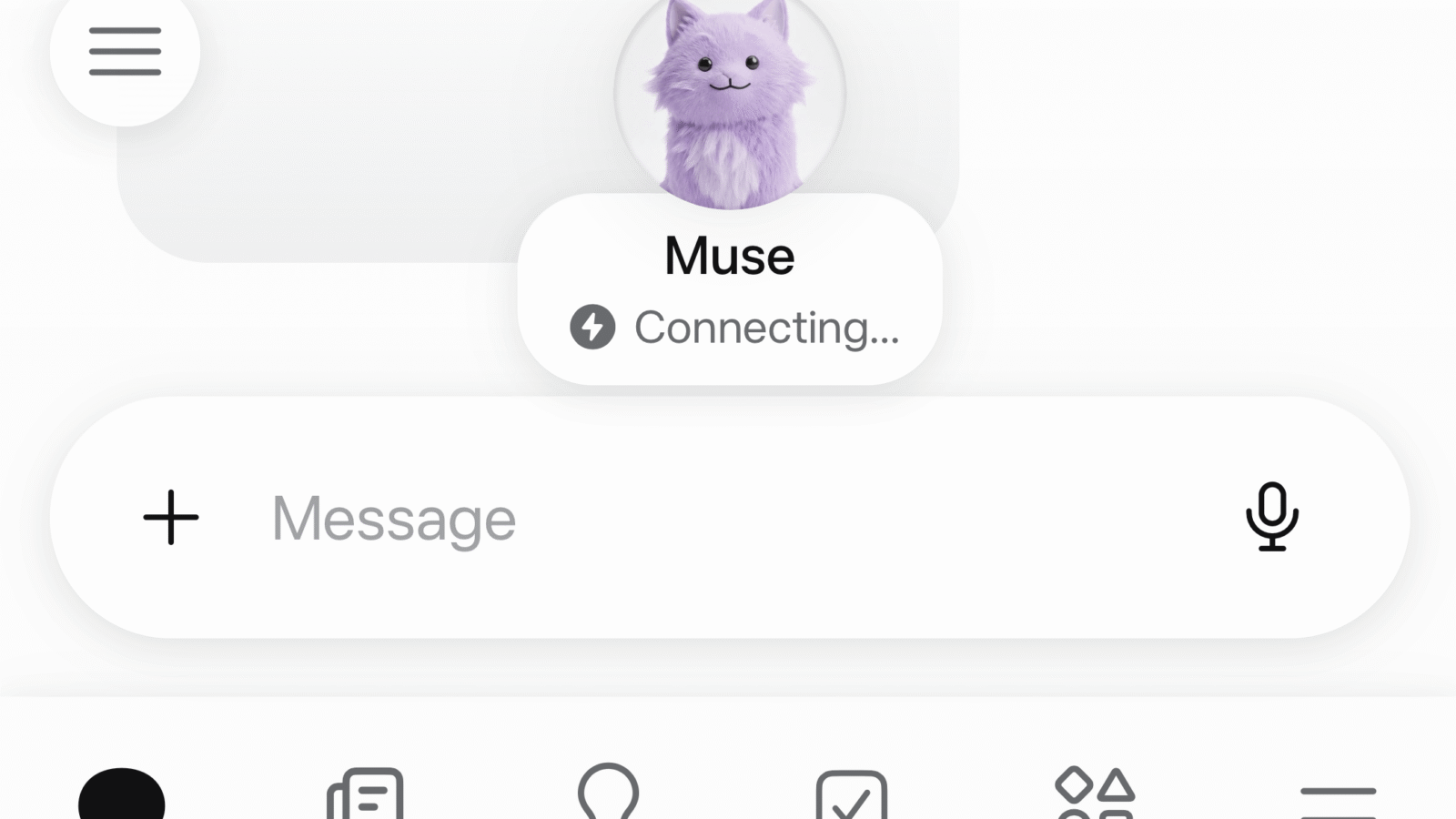
Meta Muse has arrived as the company’s first genuine move into AI-powered productivity tools. Meta says the AI agent can “take the busywork off your plate” by assisting with online shopping, emails, trip-planning and more. Testing the tool revealed that it generally performed as expected, though the amount of information it autonomously gathered proved unsettling.
Muse carries out actions using a cloud-based virtual computer. One of the first tasks assigned to it was sorting through a Gmail inbox and deleting unnecessary messages. That required connecting Muse to a Google account and granting permission to access, read and delete emails. The process did not run smoothly on mobile, where the Google sign-in screen repeatedly glitched and returned to the Muse website rather than the app. It eventually worked on a laptop, where the assistant deleted thousands of promotional emails and updates.
Shopping and privacy concerns
Meta says it designed Muse to only exchange data with third-party apps “that’s needed for them to work for you”, and states it does not share information with advertisers. After linking an Amazon account, the AI agent was asked to select workout tops based on a specific size, style and colours. Before placing the order, Muse noticed other items in the cart and asked whether they should be removed. Once the purchase was approved, it successfully bought only the tank tops.
Creative tools and hallucinations
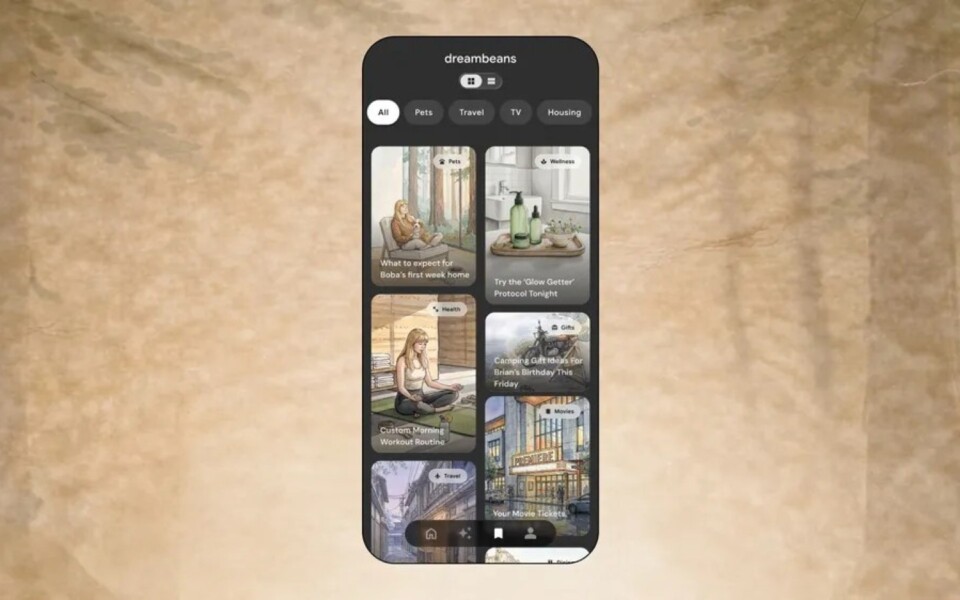
Muse offers additional capabilities, including the ability to generate AI podcasts similar to Gemini Notebook, create images and videos, and build interactive webpages or documents called “artifacts”. Muse declined requests to generate images of a “cartoon mouse with red pants” and a “cartoon guy with a red hat, blue overalls, brown hair, and a mustache”.
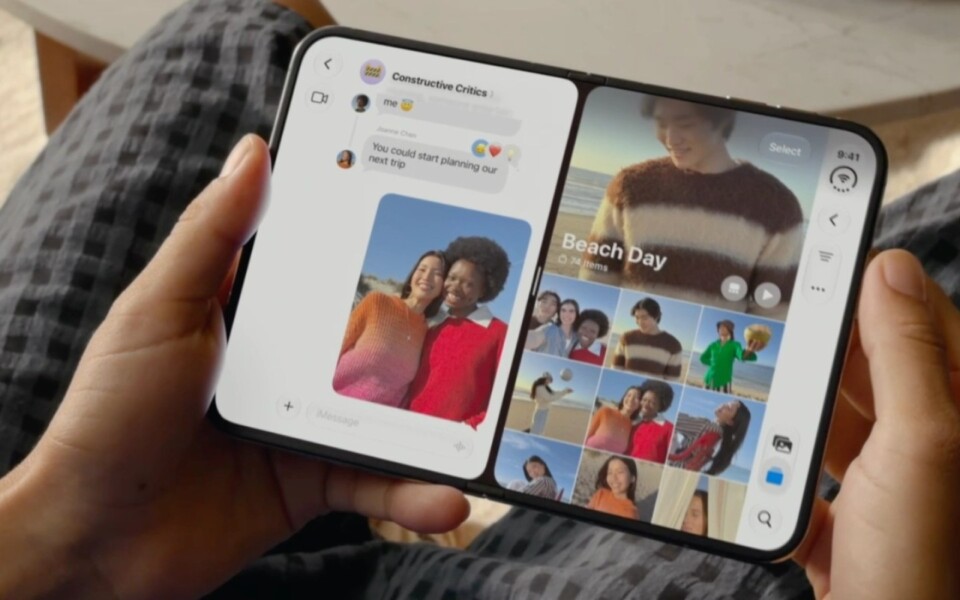
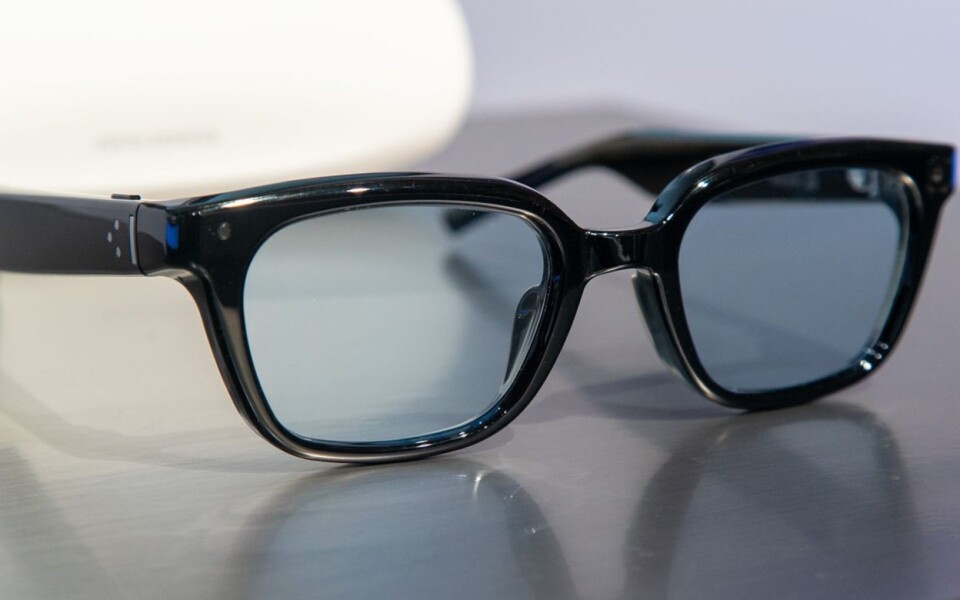
However, it readily produced a video and several images of a product launch event featuring devices carrying Apple’s logo. One image showed what resembled an iPhone-like foldable, an Apple Watch and AirPods, each propped on a stand bearing Apple’s logo, with a presenter standing before a backdrop covered in the recognisable bitten apple. The fake iPhone even displayed Apple’s native app icons, though the tool hallucinated by naming the App Store “Photos”, while labelling Maps, Music and the actual Photos app “Calender”. Muse refused to generate an image of an “Apple CEO”.
Meta positions Muse as a departure from its previous focus, having historically prioritised entertainment over productivity. The assistant handled email management and shopping tasks as instructed, while showing clear limits around certain image generation requests, including branded figures and specific recognisable characters.
Source
Image: theverge.com