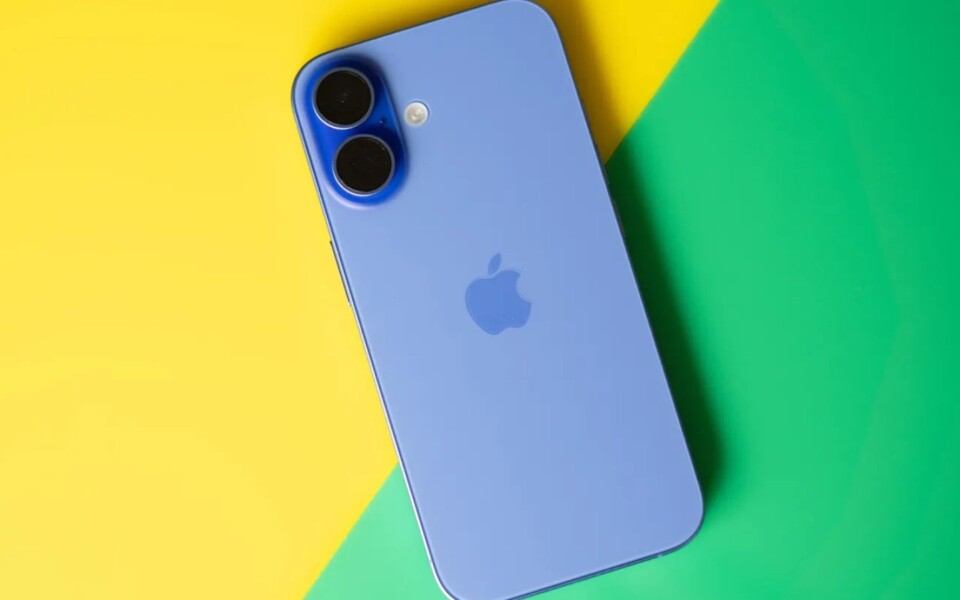

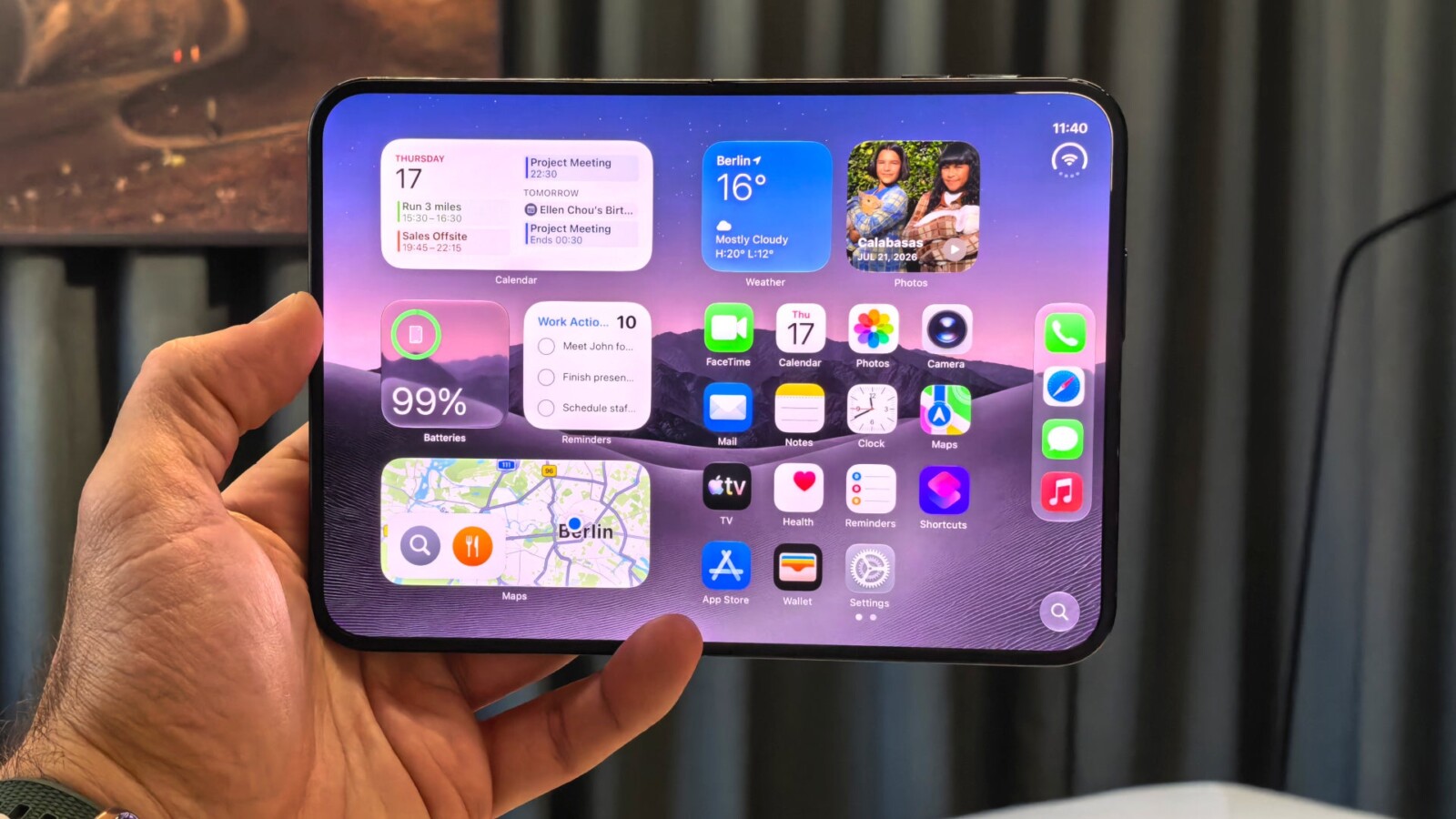
The iPhone Duo marks Apple’s first entry into the foldable market, and early hands-on time with the device suggests the company has made significant progress with the form factor. Due for release on 23 October, the handset arrives with a starting price of around £1,580 and a passport-style folding design.
Despite lingering consumer concerns that foldables remain fragile, Apple appears to have delivered a product capable of persuading a substantial part of its audience to consider it as their next iPhone. The combination of a premium price point and a folding form factor makes this a notable moment for the wider category.
Has Apple chosen the right form factor?
Whether the passport-style approach proves to be the correct choice may not become clear for another year or two, as this newer breed of shorter, wider foldables is still relatively unproven. Devices such as the Galaxy Fold 8 and the iPhone Duo currently appeal to consumers thanks to their fresh, compact appearance and practical premise: a phone that stays pocketable yet unfolds to reveal a larger display.
One limitation of this concept is that, while the internal display offers a more familiar aspect ratio, it does not provide more usable space than a classic foldable such as the Galaxy Fold 8 Ultra or the Honor Magic V6. When watching video or playing a game in a 16:9 or 4:3 aspect ratio, the effective image size is roughly the same between the iPhone Duo and a device like the Fold 8 Ultra held in landscape. The main difference is reduced letterboxing on the iPhone Duo, meaning the design trades some screen real estate for a tidier presentation.
The least visible crease yet
A key question surrounding any new foldable is whether the crease has been eliminated. For existing foldable users this is often less of a concern, as the crease typically becomes unnoticeable after around a week of use. Apple, however, was widely expected to tackle it directly.
The company has largely succeeded. The crease has not disappeared entirely, but it is the least visible seen so far by a considerable margin. It can still be faintly seen and felt, yet it is less perceptible than on rival devices. The nano-texture matte coating applied to the internal screen assists here, cutting reflections and making the display feel flatter.
As a first-generation foldable from Apple, the iPhone Duo demonstrates clear strengths alongside areas that may improve in future iterations. The device goes on sale on 23 October.
Source
Image: phonearena.com