
The iPhone 18 line-up is set to bring two notable changes when Apple unveils its new handsets, and analysts suggest both could weigh on the company in the near term.
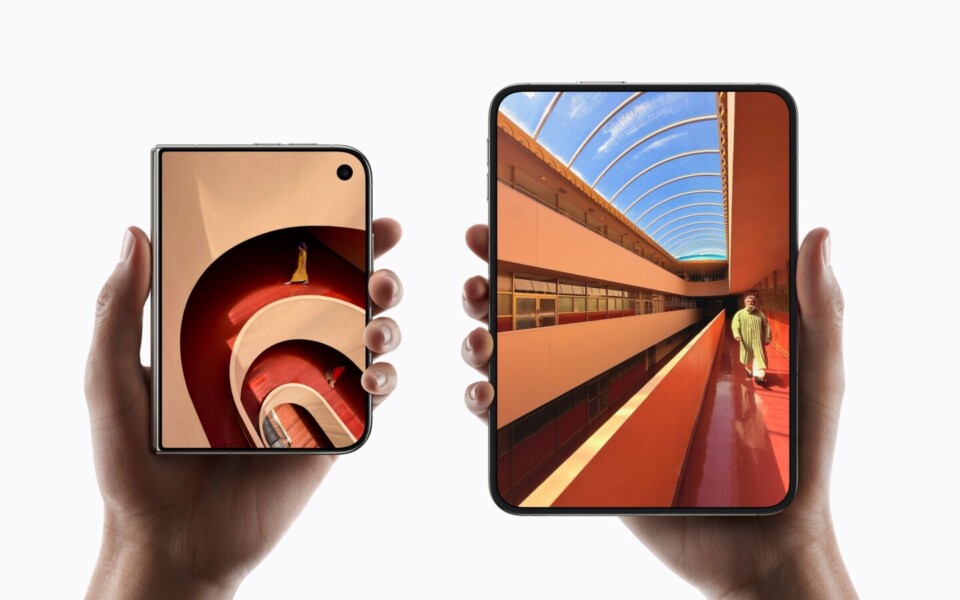
Apple is expected to hold its next iPhone launch event on 9 September 2026. Alongside the anticipated arrival of a foldable iPhone Ultra, the company is not believed to be introducing its usual base iPhone models at the same time. Instead, those lower-priced handsets are reportedly scheduled to arrive in spring 2027.
Why the Timing Matters
According to commentary from KeyBanc, these two factors together present a potentially serious issue for Apple. The concern centres on how investors may respond, with attention likely to focus on the short term rather than the wider strategy.
The reasoning is straightforward. The models being launched are more expensive than before, and with no lower-end iPhone available at launch, there is no immediately affordable option to capture that segment of the market. For investors watching quarterly performance, that combination could appear as a gap in Apple’s offering.
A Short-Term Concern
The absence of a non-Pro iPhone at the September event is central to the cautious view. Without a base model on shelves, buyers seeking a more affordable device would need to wait until the following spring, when the standard handsets are expected to be released.
It is worth noting that KeyBanc has historically set an Apple stock price target below where shares have actually traded. The latest assessment also overlooks several factors that shape Apple’s product cycle and its broader position.
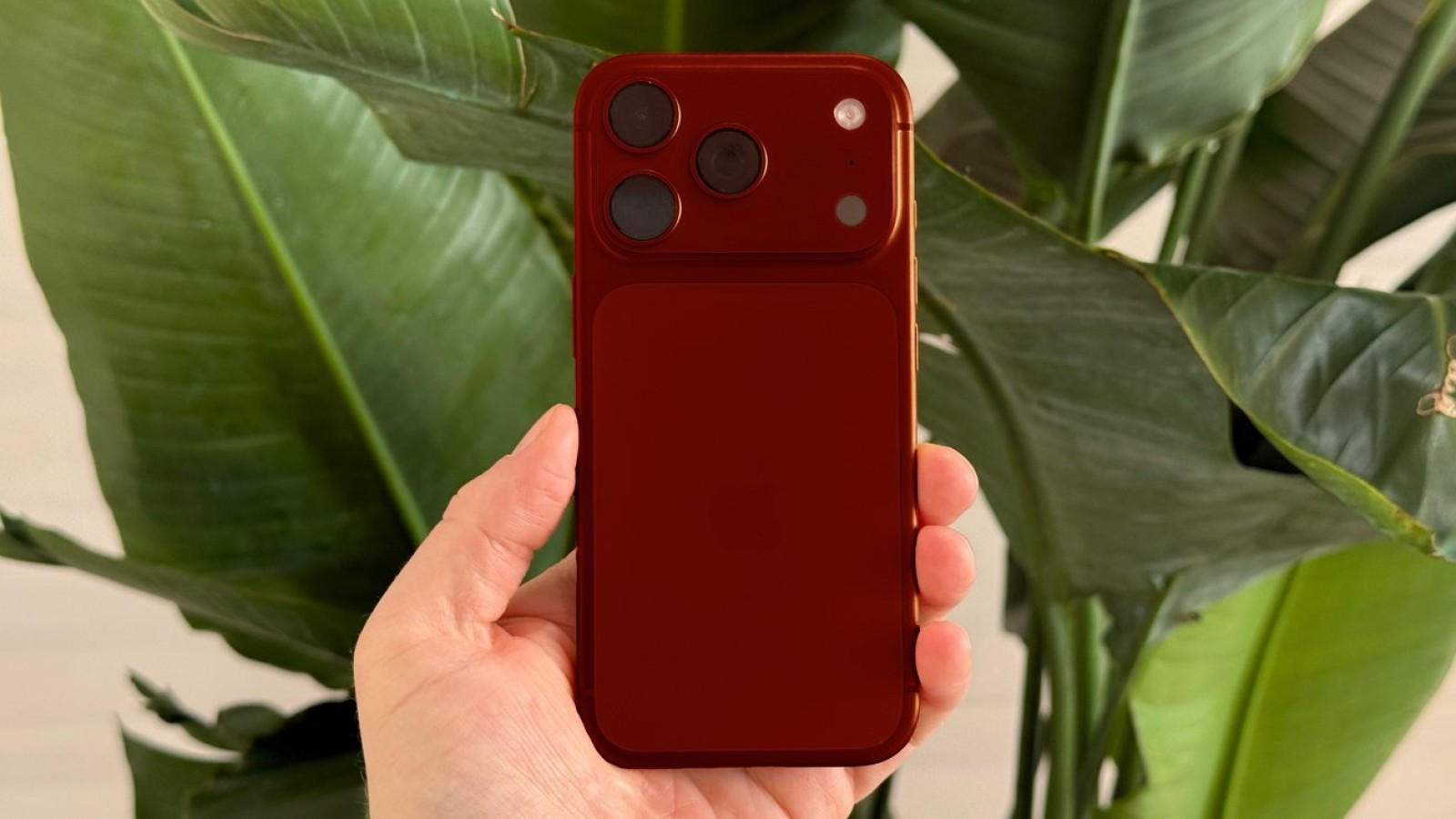
Among the details circulating ahead of the launch, the iPhone 18 Pro Max is rumoured to be offered in a dark cherry red finish. The staggered release approach, with premium and foldable models first and base handsets to follow, marks a departure from Apple’s typical schedule, in which the full range arrives together in the autumn.
Apple’s next iPhone event is set for 9 September 2026, with the standard base models expected to reach buyers in spring 2027.
Source
Image: appleinsider.com