
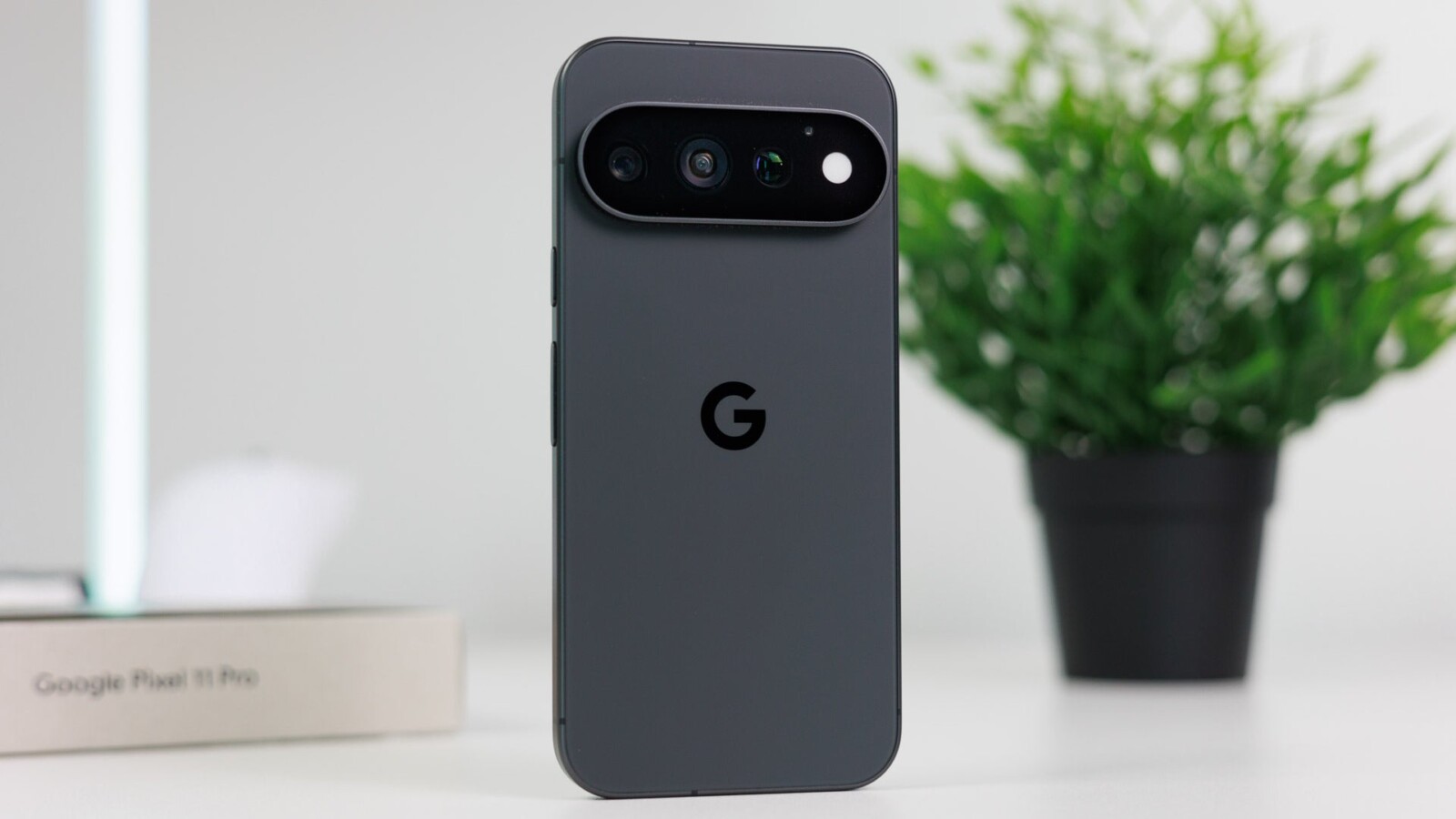
The Google Pixel 11 Pro arrived as a competent flagship in 2026, yet it stopped short of a meaningful generational leap. A reader poll set out to identify which aspect of the handset users found hardest to accept, and the responses pointed clearly towards the sense of paying more for less.
The device does bring some worthwhile additions, including the HiLight feature. However, reviews found overall performance still wanting, leaving room for improvement across several areas.
Where the Pixel 11 Pro falls short
When asked what bothered them most about the Pixel 11 Pro, almost 43 percent of respondents pointed to the reduction in RAM. The handset dropped from the 16 GB fitted to the Pixel 10 Pro to just 12 GB this year, a visible downgrade on the specification sheet.
Despite that change, the Pixel 11 Pro still carried a price increase of roughly £75. For almost 32 percent of those polled, this was the least acceptable aspect of the phone, reinforcing the impression of spending more money for reduced hardware.
Hardware added and removed this year
Around 13 percent of voters said the removal of the infrared temperature sensor, replaced by the new HiLight LED, was difficult to forgive. The temperature sensor was a distinctive feature, and while some regard HiLight as a more practical addition, others view it as a novelty with limited everyday use.
A little under 13 percent of respondents felt the new modem inside the Pixel 11 Pro justified the handset. Replacing the Exynos modems used in previous generations, the new component offers stronger signal strength, greater reliability and faster network speeds.
The pattern of the results suggests that a drop in specifications, particularly when paired with a higher price, is what troubles Google users most. Falling numbers on a specification sheet are hard to accept, and a simultaneous price rise compounds the frustration.
The feedback provides a clear indication of what Google may wish to avoid with the Pixel 12 series in order to rebuild goodwill among its users. Nearly 43 percent of poll respondents identified the shift from 16 GB to 12 GB of RAM as the change they found hardest to overlook.
Source
Image: phonearena.com