

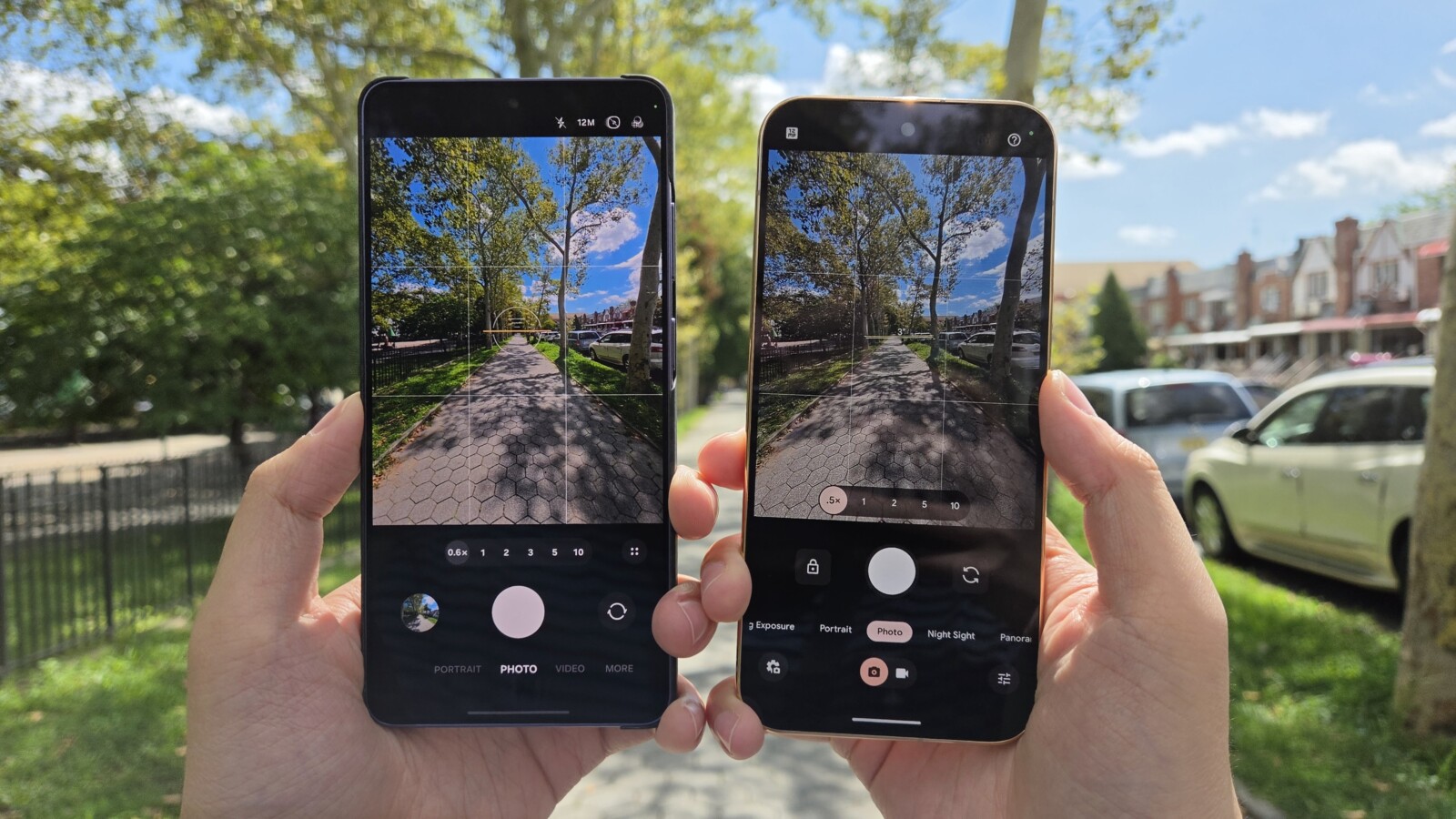
The Galaxy S26 Ultra and the Google Pixel 11 Pro XL stand among the strongest Android handsets available, and a side-by-side camera comparison shows how differently each brand approaches photography. Both phones were put through their paces across varied lighting conditions and with moving subjects during an end-of-summer trip, with every shot captured using native camera settings. No post-processing was applied beyond straightening in Adobe Lightroom.
The Google Pixel 11 Pro XL is priced at around £1,020, while the Samsung Galaxy S26 Ultra now sits at roughly £1,100. This year’s flagships deliver iterative hardware refinements, with the most significant changes focused on camera sensor architecture that allows more light, and therefore more detail, to be captured. Both companies have leaned heavily into image processing, relying on their respective AI models to detect and modify subjects for an idealised result.
Ultrawide performance compared
The Pixel uses a 48-megapixel ultrawide sensor, while the Samsung relies on a 50-megapixel equivalent. The clearest difference lies in how each processes colour. The Pixel renders trees, roads and sky in more neutral, realistic tones, whereas the Samsung leans towards vibrant, saturated results. Choosing between them largely comes down to the shade of green and blue you prefer, though the Pixel appears less modified overall.
Detail in the clouds tells a different story. The Samsung produces a more balanced exposure and better-controlled highlights, clearly distinguishing the shapes of individual clouds and how they merge together. On the Pixel, the clouds are blown out, appearing as a single white mass.
Colour temperature and Camera Looks
Generally, the Pixel captures images with a warmer colour temperature, visible in subtle differences such as clothing tones and surrounding foliage. Those who prefer a cooler finish, as seen on the Samsung, can adjust results afterwards or use the new Camera Looks feature introduced with the Pixel 11 range. These function as real-time filters applied within the phone’s imaging pipeline, offering creative control before the image is even processed.
The comparison also highlighted a difference at the frame edges in ultrawide shots, where the Samsung appeared blurrier. This can be attributed to a slower shutter speed or less effective stabilisation. Both phones represent the current peak of Android camera hardware, with Samsung and Google emphasising software-driven imaging over raw sensor changes in their 2026 flagship models.