

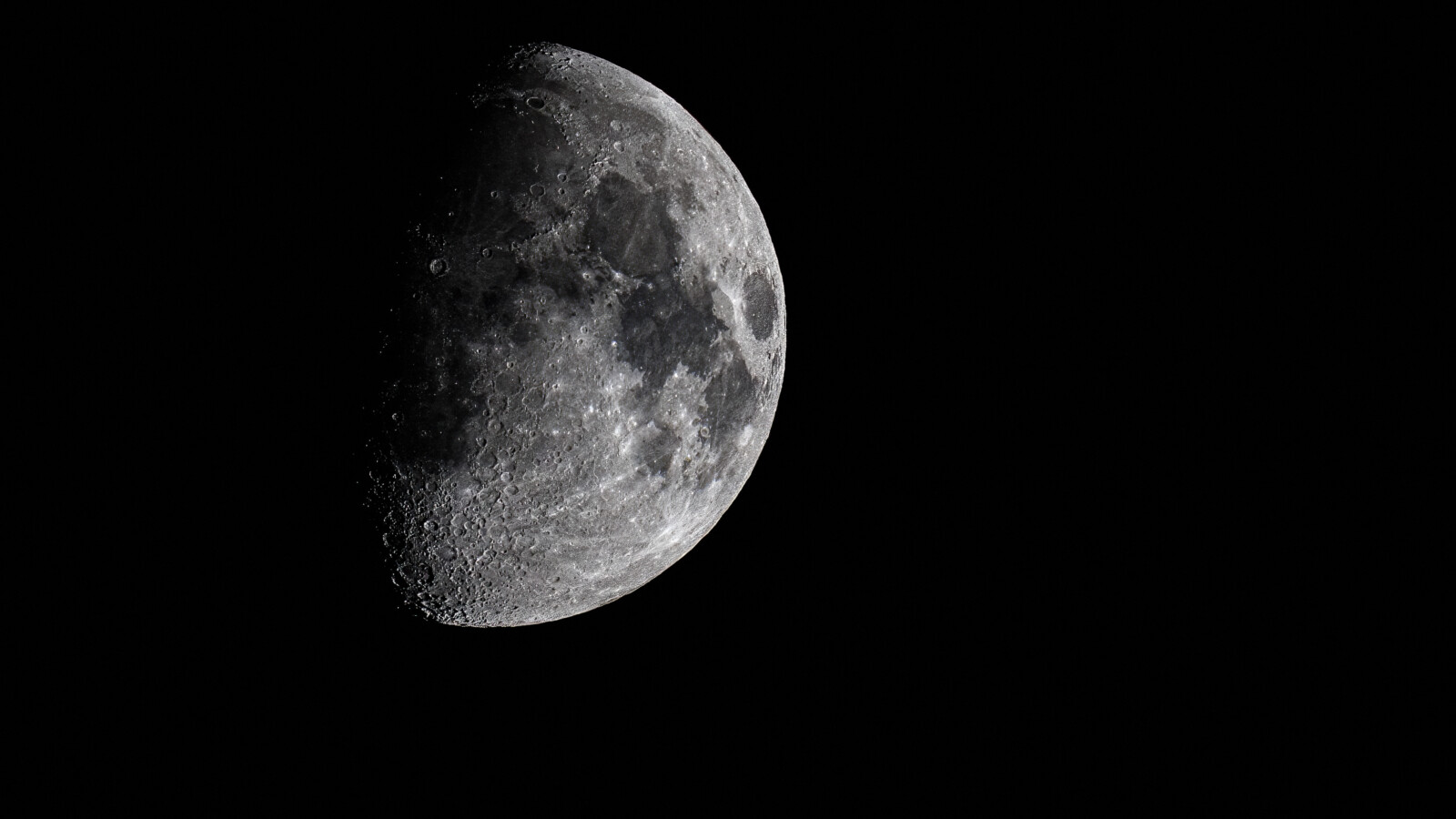
The Moon currently sits in a regulatory grey area, with no single authority holding jurisdiction over what lands on its surface. That gap has opened the door to a growing number of companies seeking to profit from lunar access, and much of the activity is technically permitted under existing law.
For around £2,750, a firm called Celestis will send a symbolic portion of a pet’s ashes to rest permanently on the lunar surface. The company describes it as a memorial service, and charges the same price for human remains. It is one of several ventures capitalising on the Moon’s uncertain legal status.
The commercial payloads already sent beyond Earth illustrate the trend. In 2014, a Japanese beverage company dispatched a payload resembling one of its energy drinks. In 2024, the artist Jeff Koons sent 125 miniature sculptures, each linked to an NFT that collectors could purchase on Earth. One individual raised roughly £178,000 to place a large cross on the Moon. To date, humans have left nearly 500,000 pounds of material on the lunar surface, most of it government-sent landers, surveyors and defunct spacecraft.
Who Regulates the Moon?
According to Steve Mirmina, a professor of space law at Georgetown University and a former NASA attorney, this surge of commercial activity is lawful. “I searched and searched the law, and unfortunately, there’s no law against launching race cars,” he said, referring to the Tesla Roadster launched in 2018. “We don’t have a government agency with the legal authority to regulate what happens on the Moon.”
Mirmina sets out his argument in Lawful but Awful: U.S. Regulation of Commercial Activities on the Lunar Surface, published on 19 September in Air and Space Law. He contends that current US law does not adequately regulate what is sent to the lunar surface, and warns that without a more sustainable framework, the Moon risks becoming “Earth’s junk drawer”.
At an international level, 118 countries are parties to the Outer Space Treaty, originally enacted in 1967 during the Cold War. It establishes that space is free for use by all nations and places a duty on them to avoid harmful contamination. The 2020 Artemis Accords added further norms around space sustainability. While not legally binding, they function as “soft law” that shapes best practice.
Enforcement falls to individual countries overseeing the private firms based within their borders. In the United States, the Federal Aviation Administration governs rocket launches, and NASA’s Commercial Lunar Payload Services programme partners with American companies to deliver payloads to the Moon. However, Congress has not granted any single agency the authority to regulate what private companies actually place on those payloads.
“It’s not very useful that they can regulate launch if they can’t regulate what happens after the rocket’s in space,” Mirmina said. “Basically, NASA, the FAA, even the State Department, they’re all kind of pointing at each other, hoping somebody did something. And then nobody had the legal authority to do anything.”
So far, none of this activity has altered the view of the Moon from Earth, with most of it falling into the category of nuisance rather than visible disruption.