
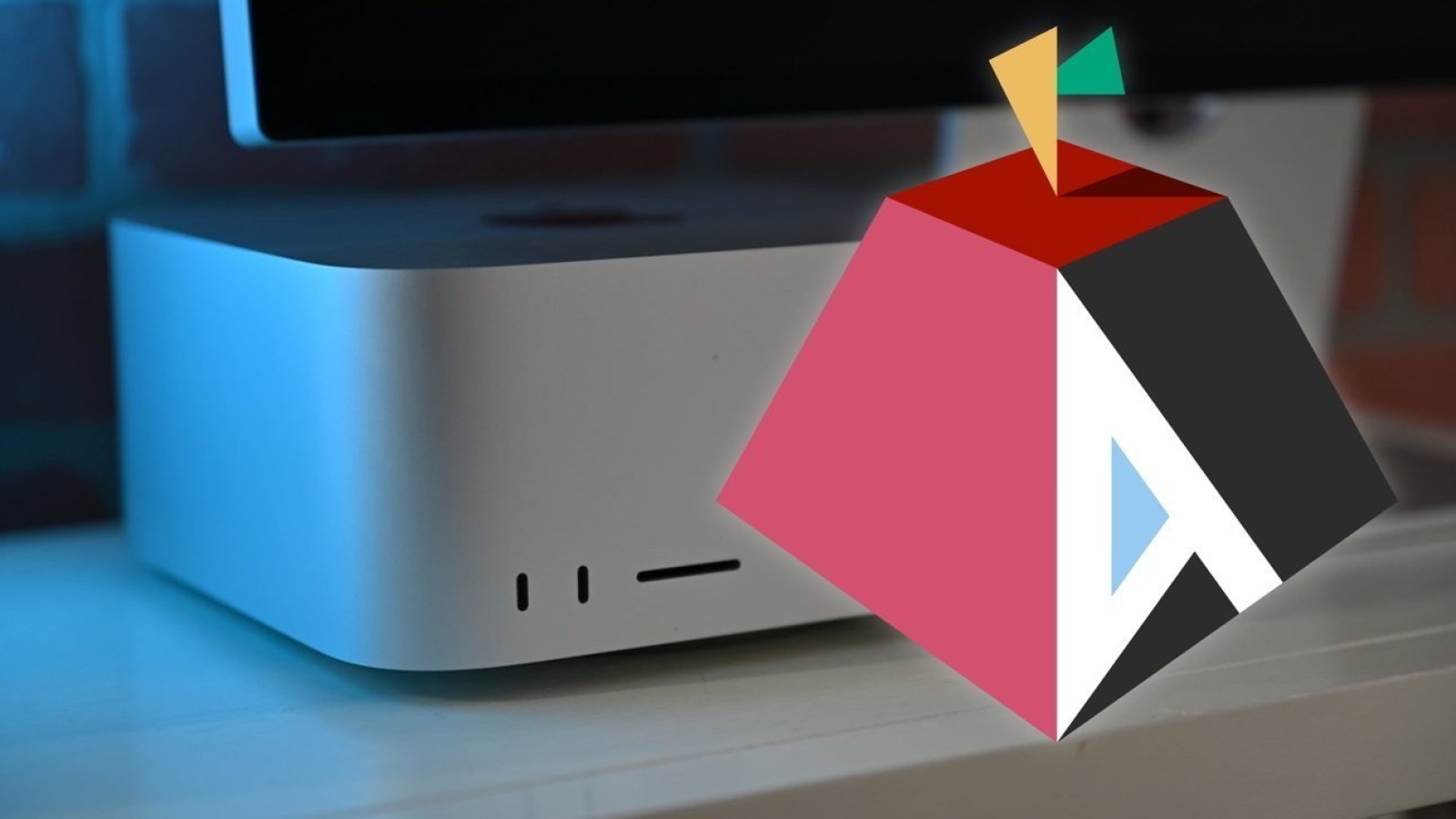
Asahi Linux now officially supports Macs powered by an M3, M3 Pro, or M3 Max chip, widening the reach of the open-source operating system across Apple’s desktop and laptop range. The move extends compatibility beyond the earlier M1 and M2 generations of Apple Silicon.
The Asahi Linux project aims to bring Linux to Apple’s custom ARM-based processors, allowing the operating system to run natively rather than through emulation. With the latest update, owners of M3-series machines can now install and run the platform directly on their hardware.
What the M3 Update Covers
A blog post published on 6 September confirmed support for Macs built around an M3-series SoC. This includes the standard M3, along with the higher-performance M3 Pro and M3 Max variants. The one notable exception is the M3 Ultra, which is not yet part of the supported line-up.
The rollout follows an earlier announcement in late August, when the project signalled that M3 support was imminent. At the time, the team suggested it would be a matter of weeks before the work was complete. In practice, the update arrived considerably sooner than that estimate implied.
Building on Previous Apple Silicon Support
Before this release, Asahi Linux was limited to the M1 and M2 families of chips. The addition of the M3 generation marks a significant step in the project’s ongoing effort to keep pace with Apple’s evolving hardware.
Because Apple’s chips use a custom architecture, each new generation typically requires dedicated work to enable native Linux support. The project’s approach involves reverse-engineering the hardware and developing the necessary drivers and components so that the operating system functions correctly on the relevant Macs.
For users running M3, M3 Pro, or M3 Max hardware, the update means they can now join owners of earlier Apple Silicon Macs in running a native Linux distribution on their devices. The M3 Ultra remains outside the scope of the current release, meaning those machines are not yet covered by the project’s official support.
Source
Image: appleinsider.com