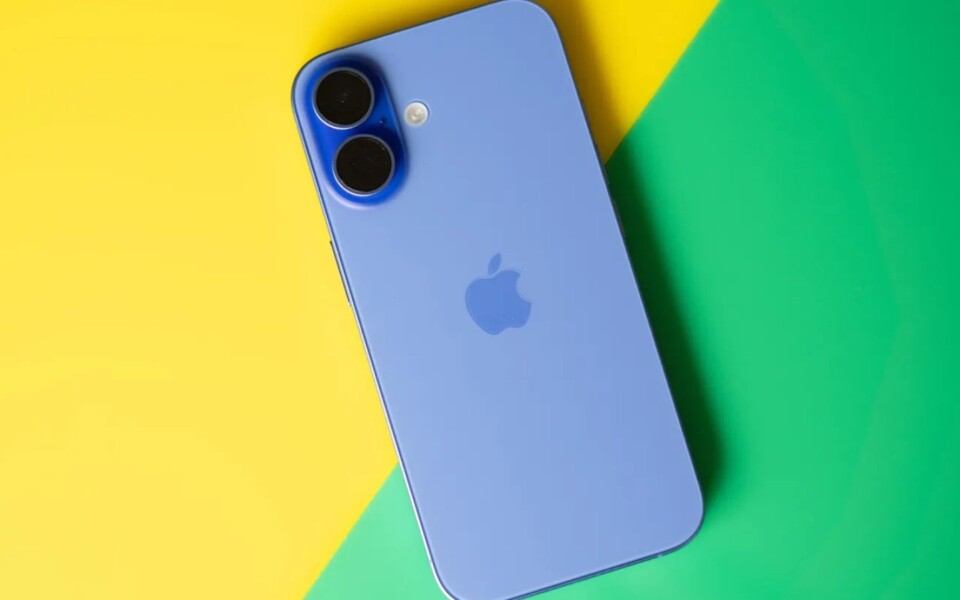


Carrier financing has become the default way many people buy a new handset, particularly as phone prices continue to rise. The latest iPhone 18 Pro Max range is priced very closely to Samsung’s Galaxy S26 Ultra, and paying for either outright is beyond the reach of most budgets. Spreading the cost over time, combined with the promotional offers networks use to attract customers, can make an expensive device feel far more affordable. In some cases, the right deal can even leave you paying nothing for the phone itself.
The complication is that these offers rarely come without conditions. Discounts are seldom handed over without a catch, and terms such as bill credits and trade-in credits are not always clearly explained. Understanding how these arrangements work, and what happens if your circumstances change, is essential before you sign up.
In simple terms, carrier financing lets you pay for a phone in monthly instalments rather than all at once. A handset costing around £950 could be split across 24 months, working out at roughly £40 per month, which is easier for most households to manage.
It is worth remembering that upfront costs such as activation fees and taxes may still apply, whether or not you take an instalment plan. Some networks offer arrangements that spread these charges out too, occasionally reducing the initial outlay to zero. Even so, you must qualify for such plans, and depending on your credit profile, interest could be added on top.
The Trade-Offs of a Financed Handset
A key drawback of carrier financing is that it ties you to one provider for an extended period, typically two to three years. During that time you cannot use the phone on another network. Ending the agreement early usually triggers early termination fees, which can add significantly to the overall cost.
A carrier-locked phone can also be inconvenient for frequent travellers. International eSIMs only work with unlocked handsets, so those on a financing plan may need to rely on their provider’s international data package instead, which is often more expensive.
How Trade-Ins and Bill Credits Work
When comparing new phones, you will often see trade-in credit advertised alongside a deal. A network might offer a trade-in credit of up to around £790 when you exchange an existing iPhone for a new model, then pay that amount back to you as monthly bill credits over 24 or 36 months.
Not every phone qualifies for a trade-in credit, and the highest values are usually reserved for newer devices in good condition. The credit is generally not paid as a lump sum. Instead, it is applied to your account gradually across the length of the plan, reducing your monthly bill by a set amount each month.
Because the value is spread across the full term, leaving the network before the plan ends can mean losing the remaining credits still owed to you. To receive the full advertised benefit, you typically need to keep the account active for the entire 24 or 36-month period.