

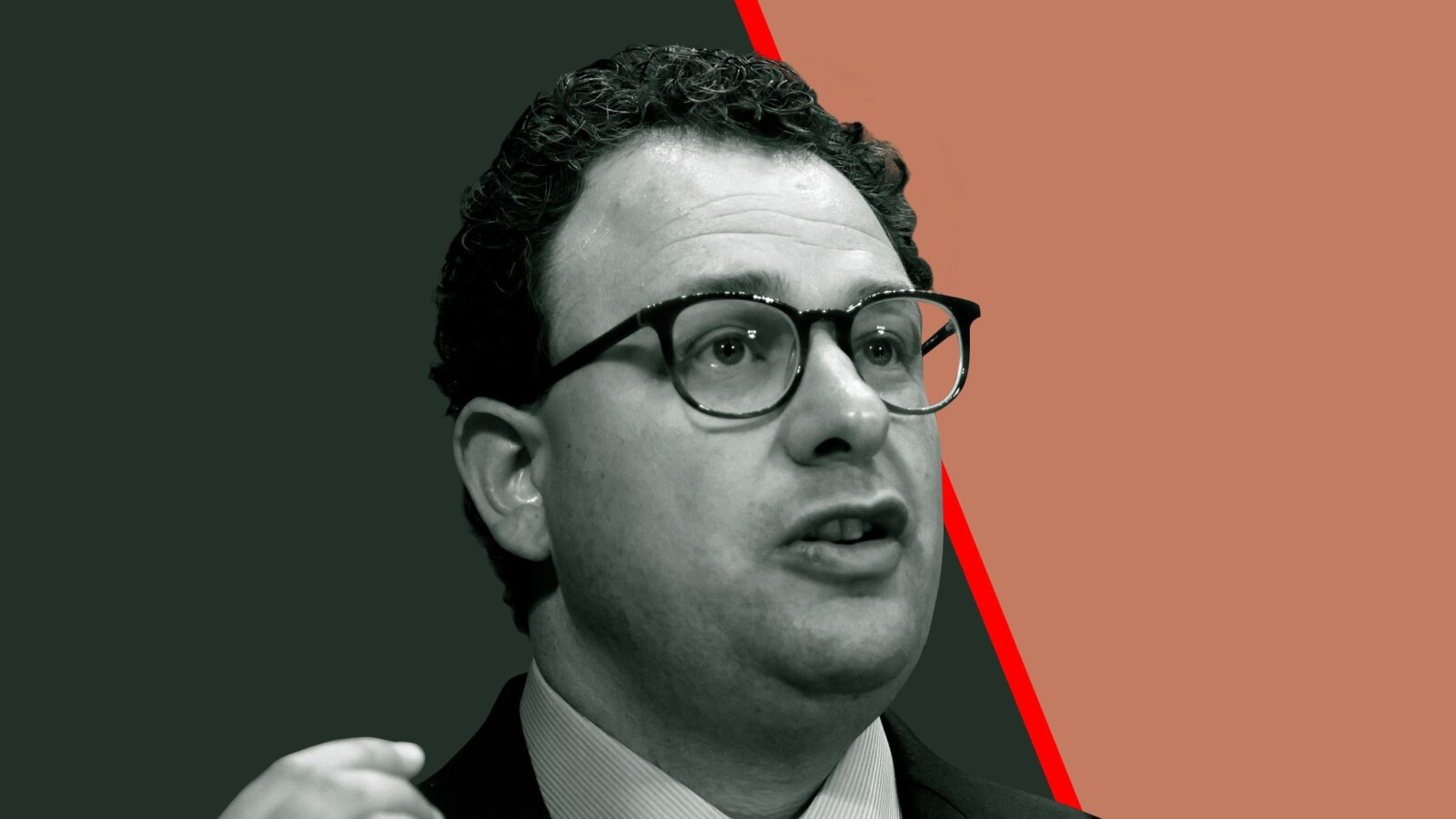
AI safety has moved to the centre of industry debate after Anthropic chief executive Dario Amodei published a lengthy essay setting out why the pace of AI development should be slowed. The piece, titled “We Must Pace the Frontier”, has prompted a wave of responses from fellow technology leaders and politicians, some supporting his arguments and others pushing back.
Amodei’s essay, released on a Saturday morning, laid out a structured case for managing how quickly advanced AI systems are built and deployed. Rather than calling for a blanket halt, it focused on introducing mechanisms designed to keep progress within safer bounds while allowing continued innovation.
What Amodei Proposed
The essay outlined three central steps for pacing AI development. The first involves embedded third-party evaluators who can verify whether a company is adhering to its stated safety practices and commitments, and who can report incidents when they occur. This measure is intended to add an independent layer of oversight to the way frontier systems are assessed.
The second step calls for coordination between frontier AI companies operating in democratic countries. Under this proposal, such firms would align on shared standards, working together rather than competing in ways that could compromise safety. Amodei framed this cooperation as a means of establishing common expectations across the sector.
The broader aim, according to the essay, is to ensure that competitive pressure does not push companies to release increasingly capable systems faster than they can be responsibly tested and understood. The emphasis rests on verification, accountability and collective standards rather than unilateral action by any single organisation.
A Divided Response
The publication triggered a flood of statements from across the industry and political spheres in the days that followed. A range of AI leaders and politicians have weighed in, with some endorsing Amodei’s position and others opposing his conclusions. The reactions reflect an ongoing disagreement about how, and whether, the rapid growth of the technology should be constrained.
The exchange highlights a wider tension within the sector between those who see structured limits and independent oversight as essential safeguards, and those who view slowing development as an obstacle to progress or competitiveness. Amodei’s intervention has given that debate a clear focal point, with his three proposed steps forming the basis for much of the discussion now taking place among executives and policymakers.
As the head of one of the leading frontier AI firms, Amodei’s call for coordination and third-party evaluation places a prominent industry figure firmly on the side of measured expansion. His essay has become a reference point for the continuing conversation about regulation, safety commitments and the future direction of the field in 2026.
Source
Image: theverge.com