

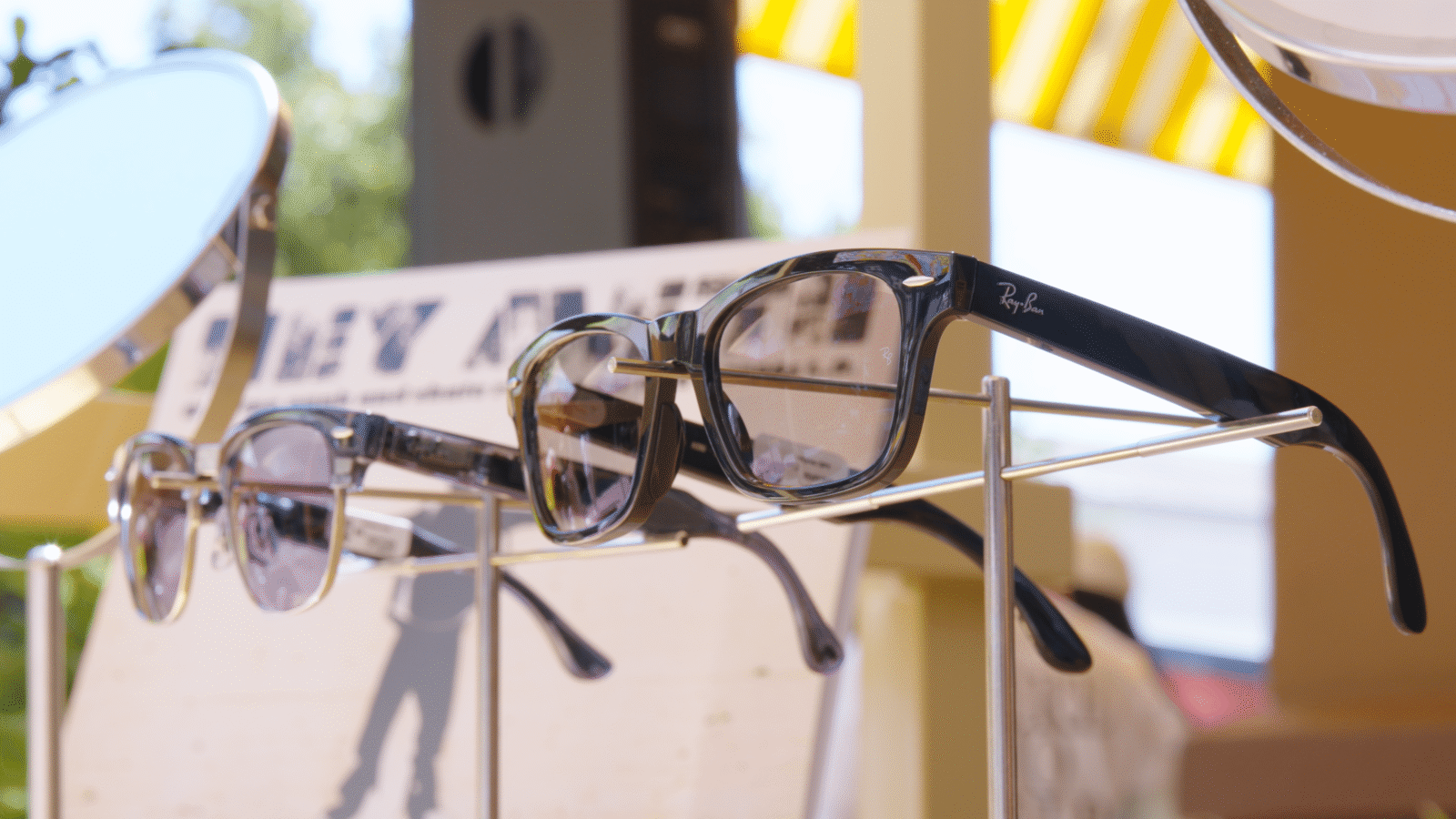
Ray-Ban Meta Audio Glasses mark a notable shift for the company, arriving as smart eyewear infused with Meta AI but stripped of any camera for recording others. The new model was unveiled at Meta Connect 2026, where attendees were seen wearing smart glasses in a wide range of shapes, colours and sizes.
The launch comes at a moment when public unease around wearable technology is intensifying. Concerns over so-called wearable surveillance tech, a broad category that also takes in smartwatches and AI pendants, have grown more prominent outside the confines of Meta’s developer event.
An audio-first approach
The defining feature of the Ray-Ban Meta Audio Glasses is the absence of a camera. Where previous Ray-Ban Meta models offered onboard recording, this version focuses on audio and Meta AI capabilities instead, removing the ability to capture images or video of those nearby.
According to Meta, the audio-only design is not a reaction to the current climate. The company has framed the product as the result of development that has been under way for years, describing the timing as coincidental rather than a direct response to the backlash surrounding recording-capable wearables.
Timing amid a wider debate
The release lands against a backdrop of rising scrutiny of devices that can quietly record people in public settings. That scrutiny has helped shape the conversation around smart glasses more broadly, with critics pointing to privacy risks associated with cameras built into everyday eyewear.
Within Meta Connect 2026 itself, that concern was largely absent, with smart glasses treated as a mainstream accessory across the event. The contrast between the enthusiasm on show at the conference and the growing wariness beyond it underlines the environment into which the new glasses are being introduced.
By opting for an audio-focused design, the Ray-Ban Meta Audio Glasses offer Meta AI features without the camera hardware that has drawn criticism, positioning the device as a lower-profile entry in the company’s wearables line-up.
Source
Image: theverge.com